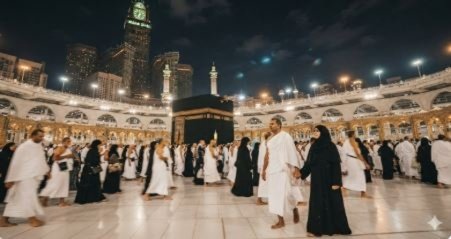
Planning Umrah is a meaningful step, and choosing the right travel arrangements can make the journey easier to manage. With different accommodation options, flight schedules, transport arrangements, and package durations available, it is important to understand what suits your needs before making a booking.
The right Umrah Packages option is not necessarily the cheapest or the most expensive. It is the one that fits your budget, travel dates, accommodation preferences, and personal circumstances while providing the essential arrangements you need for your journey.
Whether you are travelling alone, with family, or as part of a group, comparing the details carefully can help you avoid unexpected costs and make more confident decisions. A little preparation before booking can also help you focus on the spiritual purpose of your visit rather than worrying about travel arrangements.
1. Start With Your Travel Priorities
Before comparing prices, decide what matters most to you. Every traveller has different requirements, so a package that works well for one person may not be suitable for another.
For some pilgrims, staying close to Masjid al-Haram in Makkah is the main priority. Others may prefer a longer stay, a comfortable hotel, or a travel schedule that allows enough time for rest.
Write down your main requirements before contacting a travel provider. Consider your preferred departure date, total budget, number of travellers, accommodation needs, and whether you want to visit both Makkah and Madinah.
This simple step helps narrow your options and makes it easier to compare packages based on practical needs rather than attractive advertising.
2. Understand What Different Packages Include
Travel arrangements can vary considerably, even when two packages appear similar in price. One option may include flights, hotel accommodation, ground transfers, and visa-related assistance, while another may cover only selected services.
Always ask for a written breakdown of the included arrangements.
Check whether the price covers return flights, hotel stays in both holy cities, airport transfers, transport between Makkah and Madinah, and any applicable service charges. You should also confirm which arrangements require separate payment.
For example, a package with a lower advertised price may exclude airport transfers or provide accommodation for fewer nights. Once those additional expenses are included, a seemingly more expensive option may offer better overall value.
The important question is not simply how much a package costs, but what you receive for the amount you pay.
3. Compare Accommodation in Makkah and Madinah
Hotel location can have a significant effect on your daily experience during Umrah. Accommodation closer to the holy mosques may offer greater convenience, while hotels farther away may suit travellers who want to keep costs lower.
In Makkah, check the hotel’s distance from Masjid al-Haram and whether the walking route is practical for your needs. A hotel described as nearby may still involve a longer walk than you expect, particularly if you are travelling with children or older family members.
In Madinah, consider the hotel’s distance from Al-Masjid an-Nabawi and the ease of travelling between your accommodation and the mosque.
Do not compare hotels by distance alone. Room occupancy, cleanliness, available facilities, lift access, meal arrangements, and the number of people sharing a room can also influence comfort.
Before confirming your reservation, request the hotel name and verify the accommodation details in writing. If the hotel is subject to change, ask what happens if the originally listed property becomes unavailable.
4. Choose Travel Dates That Suit Your Budget
Travel dates can affect the overall cost and availability of flights and hotels. School holidays, busy religious periods, and popular departure dates may offer fewer suitable options at your preferred price.
If your schedule is flexible, compare several departure dates instead of committing to the first available option. Travelling outside particularly busy periods may provide more choice, although savings are never guaranteed.
Also consider the length of your stay. A shorter trip may reduce accommodation expenses, but it can leave less time for rest and worship. A longer stay may provide a more relaxed schedule but require a larger budget.
When reviewing dates, account for flight arrival times, hotel check-in arrangements, and the time needed to travel between cities. An itinerary that looks convenient on paper may feel tiring if it includes long waits or difficult connections.
For pilgrims comparing available travel arrangements, Umrah Packages can be a starting point for exploring options that may suit their journey. Review the specific itinerary and inclusions before deciding which arrangement is appropriate.
5. Set a Realistic Budget Before Booking
A useful travel budget should include more than the advertised package price. Planning for additional expenses in advance can help you avoid financial pressure during your trip.
Start by calculating the total cost for everyone travelling. If you are travelling as a family, confirm whether the quoted price is per person, per room, or based on a particular room-sharing arrangement.
Your budget should account for:
-
Package price and any applicable booking charges.
-
Meals that are not included.
-
Personal expenses and shopping.
-
Local transport or optional services not covered by the package.
-
Travel insurance, where appropriate.
-
An emergency reserve for unexpected expenses.
Ask the provider about payment deadlines, cancellation terms, refund conditions, and any charges for changing travel dates or passenger details.
If you are paying in instalments, request a clear payment schedule and confirmation of what happens if a payment is delayed. Keep receipts and booking documents together so that you can check the agreed arrangements whenever necessary.
6. Decide Whether a Group or Private Trip Is Better
Group travel can suit pilgrims who prefer organised arrangements and a shared itinerary. Depending on the package, it may include coordinated transport, scheduled transfers, and assistance from a group representative.
It can also help families or first-time pilgrims who feel more comfortable travelling with an organised group.
However, group itineraries generally follow set schedules. You may have less flexibility over departure times, hotel arrangements, or how long you spend at particular locations.
Private or individually arranged travel may provide more control over dates, accommodation, and daily plans. The trade-off is that some services may cost more or require additional coordination.
Before choosing either option, ask how the itinerary works in practice. Find out whether transport is shared, whether the group must wait for other passengers, and whether assistance is available if someone needs extra support.
The best arrangement depends on your travel style, budget, and the level of flexibility you want.
7. Consider the Needs of Your Travel Companions
The most suitable arrangement for a young solo traveller may not be the right choice for a family with children or a group that includes elderly pilgrims.
If you are travelling with older relatives, prioritise convenient hotel access, manageable walking distances, suitable transport, and sufficient time to rest. Confirm whether wheelchair assistance or other accessibility arrangements are available if required.
Families should check room capacity, sleeping arrangements, meal options, and the practicality of moving between hotels and transport points with children.
First-time pilgrims may also benefit from clear guidance about the itinerary and access to assistance when questions arise.
Discuss these requirements before booking rather than assuming they will be accommodated automatically. Confirm any special requests in writing and ask whether additional fees apply.
A suitable package should support the needs of the people travelling, not simply provide the lowest available price.
8. Check the Travel Provider and Booking Terms
A carefully selected itinerary is only useful if the arrangements are reliable and clearly documented. Before making a payment, take time to check the travel provider’s details and the terms of the booking.
Ask for a written quotation that identifies the services included, the proposed hotels, travel dates, flight arrangements where applicable, and the payment schedule.
You should also understand the cancellation policy, refund conditions, and procedures for handling significant itinerary changes.
Verify the relevant authorisation and documentation requirements for your circumstances. Umrah entry requirements can change, so confirm the current rules through appropriate official channels or a qualified travel provider before finalising your plans.
Avoid relying solely on verbal promises. Keep copies of receipts, booking confirmations, hotel details, and important correspondence.
If something in the quotation is unclear, ask for an explanation before paying. A transparent booking process makes it easier to understand your responsibilities and resolve issues if arrangements change.
9. Review the Complete Itinerary Before Confirming
Once you have shortlisted an option, read through the itinerary from departure to return. Check that the dates, passenger details, hotel nights, and transport arrangements match your expectations.
Pay attention to the transition between Makkah and Madinah. Confirm how you will travel between the cities, whether the transfer is included, and when you are expected to check out and check in.
Review flight timings and connection details if your journey involves connecting flights. Also ask what assistance is available if a flight is delayed or a scheduled transfer is disrupted.
Make sure you understand the difference between confirmed services and arrangements that remain subject to availability.
Finally, compare your shortlisted options side by side. Consider total cost, location, comfort, travel duration, flexibility, and the support available throughout the journey.
A few minutes spent reviewing these details can prevent misunderstandings later.
Conclusion
Choosing the right Umrah travel arrangement starts with understanding your priorities. Consider your budget, travel dates, hotel locations, transport needs, and the requirements of everyone travelling with you.
Look beyond the advertised price and check exactly what is included. Compare complete itineraries, understand the booking terms, and confirm important arrangements in writing before making payment.
The most suitable option is one that balances affordability, comfort, and practical support while allowing you to prepare for your journey with greater peace of mind. With careful planning and realistic expectations, you can make an informed decision and focus more fully on the purpose of your Umrah.