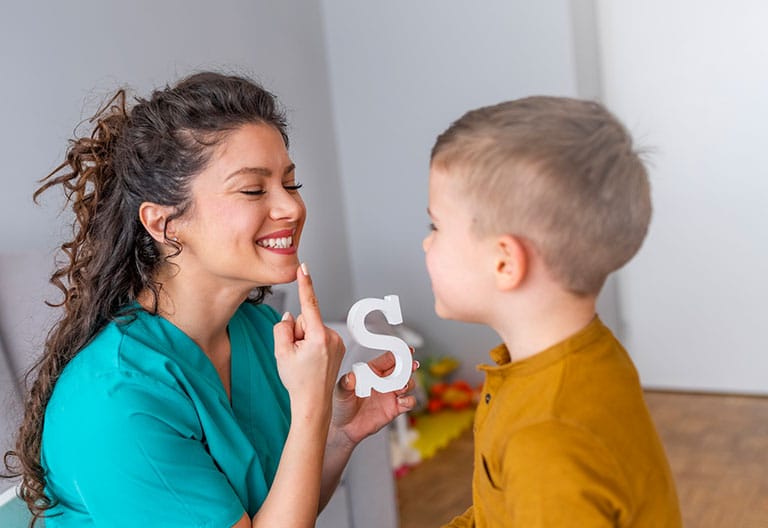
Communication is the foundation of how we connect with the world. For many children, however, finding the right words or understanding others can be a challenge. If you have noticed your child struggling to express themselves, you are not alone.
Speech-language therapy is a transformative field designed to help children “find their voice.” In this guide, we will explore what speech therapy is, how it works, and why specialized support like Butterfly Paediatric Therapy in Oakville can make all the difference for your family.
What is Speech-Language Therapy?
Speech-language therapy is the assessment and treatment of communication problems and speech disorders. It is performed by Speech-Language Pathologists (SLPs), often referred to as speech therapists.
These professionals work on more than just “talking.” They help children with:
- Articulation: Making sounds correctly.
- Fluency: Improving the flow of speech (e.g., reducing stuttering).
- Resonance: Managing voice volume and quality.
- Receptive Language: Understanding what others are saying.
- Expressive Language: Using words and sentences to share ideas.
How Does Therapy Help?
The goal of speech therapy is to improve communication skills so a child can thrive at home, at school, and in social settings. Therapy is not just about drills; it is often play-based, especially for younger children.
By using toys, books, and games, therapists make learning feel like fun. This “hidden” learning helps children stay engaged while they build the physical and mental muscles needed for clear communication.
Common Signs Your Child Might Need Support
Every child develops at their own pace. However, there are some common signs that might suggest a consultation with a professional is a good idea:
- Delayed Milestones: If your toddler isn’t using single words by 15 months or simple sentences by age two.
- Frustration: If a child becomes upset because they cannot make themselves understood.
- Difficulty Following Directions: If your child seems to struggle with simple 1-step or 2-step instructions.
- Social Challenges: If a child has trouble interacting or playing with peers.
- Speech Clarity: If family members or teachers have a hard time understanding what the child is saying by age three or four.
Specialized Approaches at Butterfly Paediatric Therapy in Oakville
When choosing a clinic, it is important to find a team that understands the unique needs of every child. Butterfly Paediatric Therapy in Oakville provides a family-centered approach that looks at the “whole child.”
Their team uses evidence-based techniques tailored to individual needs. Some of the specialized programs they offer include:
1. The Hanen Program®
This approach focuses on empowering parents. It teaches you how to turn everyday activities—like mealtime or bath time—into opportunities for your child to learn language.
2. PROMPT Therapy
PROMPT stands for Prompts for Restructuring Oral Muscular Phonetic Targets. It is a tactile-kinesthetic approach where the therapist uses touch on the child’s face to guide the movement of the jaw, lips, and tongue to form sounds.
3. Support for Gestalt Language Processors
Some children learn language in “chunks” (scripts) rather than building words one by one. The therapists at Butterfly Paediatric Therapy in Oakville are trained in the Meaningful Speech approach to support these unique learners.
The Power of Early Intervention
You may have heard the phrase “wait and see,” but in the world of speech-language therapy, “early is better.”
The brain is most flexible during the first five years of life. Starting therapy early can prevent future challenges with reading, writing, and social self-esteem. Early intervention provides the building blocks for academic success and helps children feel confident in their ability to speak up.
What to Expect During the First Visit
If you decide to visit Butterfly Paediatric Therapy in Oakville, the process usually begins with an assessment.
|
Phase |
What Happens |
|
Observation |
The therapist watches how your child plays and interacts. |
|
Formal Testing |
Using age-appropriate tools to measure vocabulary and sound production. |
|
Parent Interview |
You share your concerns and your child’s history. |
|
Goal Setting |
A custom plan is created based on your child’s specific needs. |
How Parents Can Support Progress at Home
Therapy sessions are important, but the “magic” often happens at home. Here are simple ways you can help your child every day:
- Narrate Your Day: Talk about what you are doing. “I am washing the big red apple. Now I am cutting it.”
- Read Together: Focus on the pictures and ask open-ended questions.
- Wait for a Response: Give your child 5–10 seconds to process what you said before asking again.
- Model, Don’t Correct: If they say “tat” instead of “cat,” simply say, “Yes, a big fluffy cat!” This provides the correct model without making them feel self-conscious.
Why Choose Butterfly Paediatric Therapy?
Choosing the right partner for your child’s development is a big decision. Butterfly Paediatric Therapy in Oakville stands out because they prioritize the parent-child bond. They believe that you are the expert on your child, and they work alongside you to ensure progress carries over from the clinic to real life.
Their facilities are designed to be welcoming and fun, reducing the anxiety many children feel when visiting a “doctor’s office.” Instead, they enter a space where they can “spread their wings” and reach their full potential.
Conclusion: Your Next Steps
If you have concerns about your child’s speech or language development, trust your intuition. Seeking a professional opinion is a proactive step that can change the trajectory of your child’s life.
Whether your child is struggling with a few sounds or needs help understanding social cues, the expert team at Butterfly Paediatric Therapy in Oakville is ready to help. Communication is a gift—let’s work together to make sure your child can share theirs with the world.
Ready to learn more? Contact a local specialist today to schedule an initial assessment and start your journey toward clearer communication.