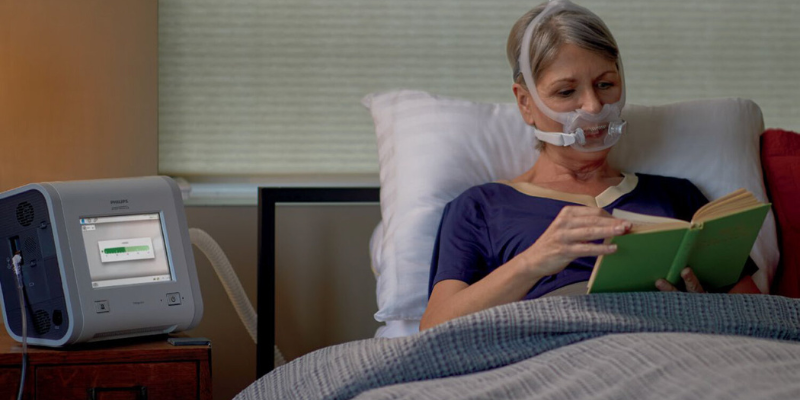
Managing mechanical ventilation at home requires careful attention to respiratory equipment, patient comfort, and the individualized care plan provided by qualified healthcare professionals. Ventilator Care At Home In Dubai can help eligible patients receive ongoing respiratory support in a familiar environment while trained caregivers and nurses assist with equipment monitoring and daily care. A Doctor at Home service may provide convenient medical assessment when appropriate, while professional home nurses can help monitor respiratory status, maintain prescribed routines, and identify changes that should be communicated to the medical team.
Understanding Home Ventilator Equipment:
A home ventilator is a medical device designed to assist or support breathing when a patient cannot maintain adequate ventilation independently. The specific ventilator, settings, tubing, filters, humidification system, and accessories depend on the patient’s medical needs. Families should receive appropriate training before home ventilation begins and should understand the basic purpose of each component. Equipment should always be used according to the prescribed plan and manufacturer instructions, and caregivers should never change ventilator settings without direction from the patient’s treating medical team.
Setting Up a Safe Equipment Area:
The ventilator should be placed in an appropriate location that provides stability, accessibility, and adequate space for related equipment. Tubing should be positioned carefully so it is not compressed, sharply bent, or likely to become disconnected. Electrical cables should be organized to reduce trip hazards, while suction devices and other prescribed equipment should remain accessible. Families should avoid placing respiratory equipment near excessive heat, moisture, or areas where it could easily be knocked over.
A suitable equipment area should provide:
-
A stable surface for the ventilator
-
Clear access to the patient
-
Organized tubing and electrical cables
-
Space for essential respiratory supplies
-
Easy access to prescribed monitoring devices
-
Appropriate storage for backup supplies
Checking the Ventilator Before Use:
Routine equipment checks are an important part of respiratory support. Caregivers should visually inspect the ventilator and confirm that it is operating according to the instructions provided by the healthcare team. Connections, tubing, power supplies, filters, humidification components, and other prescribed accessories should be checked as appropriate. Any damaged component, unusual noise, repeated alarm, or unexpected change in operation should be addressed according to the established equipment and emergency plan.
Understanding Ventilator Alarms:
Ventilator alarms provide information about possible changes involving the patient, tubing, airway, power supply, or device. Caregivers should receive specific training on the alarms associated with their patient’s ventilator and understand the appropriate response. An alarm should not simply be silenced repeatedly without determining its cause. If the alarm continues or the patient shows signs of respiratory distress, caregivers should follow their emergency instructions and seek appropriate medical assistance.
Common situations that may trigger an alarm include:
-
Tubing disconnection
-
Changes in airway pressure
-
Power interruption
-
Obstructed or restricted tubing
-
Patient-related breathing changes
-
Equipment malfunction
Maintaining Tubing and Connections:
Ventilator tubing creates a direct pathway between the machine and the patient’s airway, making proper handling important. Tubing should remain securely connected and positioned according to the care plan. Caregivers should avoid unnecessary manipulation and should follow instructions for cleaning or replacing components. If tubing becomes disconnected, caregivers should follow the specific emergency procedure taught by the healthcare team. They should not improvise equipment repairs or make unauthorized modifications.
Managing Humidification and Filters:
Some ventilator systems use humidification components or filters to support respiratory care. These components require appropriate maintenance according to the device manufacturer’s instructions and the patient’s prescribed care plan. Caregivers should understand when components need inspection, cleaning, or replacement. A blocked or improperly maintained filter may affect equipment performance, while inappropriate humidification practices may cause problems with the respiratory circuit. Professional guidance is important when managing these components.
Supporting Airway Management:
Respiratory support often involves additional airway-care responsibilities. Some patients may require suctioning because they cannot effectively clear secretions independently. Suctioning should only be performed by appropriately trained caregivers or healthcare professionals and should follow the patient’s specific instructions. Nurses may also provide tracheostomy care when a patient receives ventilation through a tracheostomy. Changes in secretions, coughing, breathing, or airway comfort should be documented and communicated when they differ from the patient’s usual condition.
Monitoring the Patient Alongside the Equipment:
Equipment checks should always be combined with observation of the patient. A ventilator may appear to be functioning while the patient’s condition changes, so caregivers should observe breathing effort, alertness, comfort, skin or lip color, secretions, and prescribed monitoring readings. If something appears significantly different from the patient’s normal condition, the care plan should guide the appropriate response. Families should not rely on equipment readings alone or attempt to independently diagnose the cause of a change.
Maintaining Respiratory Equipment Hygiene:
Clean equipment is an important part of home respiratory care. Caregivers should follow manufacturer and healthcare provider instructions for cleaning, disinfecting, and replacing reusable or disposable components. Hands should be washed before and after handling respiratory equipment or providing airway care. Supplies should be stored in a clean and appropriate location to reduce contamination. Equipment that is damaged, visibly contaminated, or otherwise unsuitable should not be used unless a qualified professional has determined that it is safe.
Important hygiene practices include:
-
Performing hand hygiene before respiratory care
-
Following equipment cleaning instructions
-
Storing supplies in a clean location
-
Replacing components according to recommendations
-
Keeping the patient-care area organized
-
Avoiding unnecessary handling of sterile or clean supplies
Preparing Backup Supplies:
Families should maintain an appropriate supply of essential respiratory materials based on the patient’s care plan. Running out of a necessary component can create unnecessary difficulties, particularly for patients who depend on continuous ventilation. A simple inventory system can help caregivers track supplies and arrange replacements before they are needed. The healthcare team or equipment provider can advise families about which backup items are appropriate for the patient’s specific ventilator and airway requirements.
Planning for Power Interruptions:
Because many ventilators require electricity, families should prepare for potential power interruptions. The appropriate backup arrangement depends on the patient’s clinical needs and the ventilator being used. Healthcare professionals or equipment providers can explain whether a backup power system or additional respiratory equipment is necessary. Caregivers should understand the emergency procedure before an outage occurs and know how to access appropriate assistance if the ventilator cannot operate normally.
Supporting Patient Comfort:
Respiratory equipment should be managed in a way that also considers the patient’s comfort. Tubing should be positioned carefully to avoid unnecessary pulling or pressure, while the patient should be positioned according to professional recommendations. Patients with limited mobility may require assistance with regular repositioning and skin care. Nurses can help coordinate equipment management with hygiene, nutrition, mobility, and other aspects of daily care.
Keeping Equipment Records:
Maintaining a simple equipment record can help families manage ongoing respiratory support. The record may include equipment checks, filter or component replacement dates, unusual alarms, maintenance activities, and concerns reported to the equipment provider or medical team. Accurate records can also help nurses and healthcare professionals identify recurring equipment issues. Families should keep important equipment instructions and contact details in an easily accessible location.
Working With Professional Home Nurses:
Professional home nurses can provide valuable assistance with both patient care and respiratory equipment management. Depending on the care plan, nurses may monitor the patient’s condition, check equipment, provide airway care, administer prescribed treatments, maintain hygiene, and document relevant observations. They can also help families understand routine equipment checks and recognize when a problem requires professional attention. The exact responsibilities should always be determined by the patient’s medical needs and the nurse’s professional scope.
Knowing When to Seek Medical Assistance:
Certain situations require prompt professional attention rather than routine equipment troubleshooting. Significant breathing difficulty, sudden changes in alertness, unusual skin or lip color, persistent respiratory distress, repeated unexplained ventilator alarms, or other serious changes should be treated according to the patient’s emergency plan. Caregivers should not attempt to resolve a potentially serious medical problem by changing ventilator settings without professional direction. Emergency medical services should be contacted when the situation requires immediate assistance.
Maintaining Regular Equipment and Medical Reviews:
Ventilator care should include regular medical and equipment reviews. Healthcare professionals can determine whether the patient’s respiratory requirements remain appropriate and whether the current equipment setup continues to meet those needs. Equipment providers can address maintenance or replacement requirements when applicable. Regular follow-up also gives families an opportunity to discuss alarms, equipment concerns, airway issues, and changes in the patient’s condition.
Final Thoughts:
Managing equipment and respiratory support is a central part of Ventilator Care At Home In Dubai. Safe home ventilation requires appropriate equipment setup, routine checks, proper tubing management, airway care, equipment hygiene, backup planning, and careful observation of the patient. Families should receive professional training and follow the manufacturer’s instructions and individualized medical plan. Professional home nurses can provide additional support with respiratory monitoring, equipment observation, and daily care. With organized equipment management and regular medical follow-up, families can create a more structured environment for patients who rely on mechanical ventilation at home.
- At-home ventilator management Dubai
- Home nursing for ventilated patients Duba
- Home respiratory care Dubai
- Home ventilator care Dubai
- Home ventilator nursing Dubai
- Home ventilator services Dubai
- Mechanical ventilator care at home Dubai
- Ventilator care at home in Dubai
- Ventilator patient care at home Dubai
- Ventilator support at home Dubai