Applying for an international visa often involves more than completing forms and submitting documents. Many countries require applicants to undergo a medical examination, and one of the most important components is the Visa Blood Test Dubai. This health screening helps immigration authorities determine whether applicants meet the country’s public health standards before granting long-term entry or residency.
If you’re preparing for an immigration medical exam, understanding the visa blood test process can help reduce stress and ensure you’re fully prepared. This guide explains everything from the purpose of the test to the procedures, common medical screenings, preparation tips, and what happens after your results are submitted.
A Quick Overview of the Visa Blood Test Process:
The visa blood test is part of an official immigration medical examination conducted by an authorized physician or approved medical center. The examination is designed to identify certain communicable diseases and evaluate the applicant’s overall health based on the immigration policies of the destination country.
The process typically includes:
- Booking an appointment with an approved panel physician
- Completing a medical history review
- Providing a blood sample
- Undergoing additional medical examinations if required
- Laboratory analysis of blood samples
- Submission of results to immigration authorities
The exact procedures vary by country and visa type, but the overall process remains similar worldwide.
Why Immigration Authorities Require Blood Tests?
Countries implement medical screening programs to protect public health and ensure that incoming residents do not pose a significant health risk. Blood tests allow immigration officials to identify infectious diseases that may require treatment or further evaluation.
Another purpose of these examinations is to ensure applicants meet health standards established by national immigration laws. In many cases, early diagnosis also benefits applicants by allowing timely medical care before relocating abroad.
Which Visa Categories Usually Require Blood Tests?
Medical examinations are generally required for applicants planning extended stays rather than short visits.
The following visa categories commonly include blood testing requirements:
Permanent Residency:
Applicants seeking permanent residence usually complete comprehensive immigration medical examinations that include laboratory testing.
Employment Visas:
Many countries require foreign workers to undergo health assessments before receiving work permits or residence visas.
Skilled Migration Programs:
Skilled professionals applying under migration programs often complete blood testing as part of mandatory health checks.
Family Sponsorship:
Family reunification and spouse visa applicants may also be required to undergo immigration medical examinations.
Long-Term Student Visas:
Some countries request medical screening for international students enrolled in long-duration academic programs.
Common Blood Tests Performed During Immigration Medical Exams:
The specific blood investigations depend on the immigration requirements of each destination country. However, several tests are widely used across different immigration systems.
Syphilis Blood Test:
Syphilis screening is one of the most frequently required blood tests for adult visa applicants. Early detection allows treatment before travel if necessary.
HIV Screening:
Some countries include HIV testing in their immigration medical examinations, although many no longer consider HIV status alone as a reason to deny a visa.
Hepatitis Screening:
Applicants working in healthcare, childcare, or other public service professions may be tested for Hepatitis B or Hepatitis C depending on local regulations.
General Health Blood Analysis:
Certain immigration physicians may request additional laboratory tests to evaluate overall health, organ function, or existing medical conditions when appropriate.
The Complete Step-by-Step Process:
Knowing exactly what happens during your appointment makes the experience much easier.
Scheduling Your Medical Examination:
Once immigration authorities request your medical examination, you must book an appointment with an approved medical clinic or designated panel physician. Using unauthorized clinics may result in your medical report being rejected.
Identity Verification:
Upon arrival, clinic staff verify your passport, appointment details, visa application reference number, and identification documents.
Medical History Assessment:
You’ll answer questions regarding:
- Previous illnesses
- Surgical history
- Current medications
- Chronic medical conditions
- Allergies
- Vaccination records
- Family medical history if required
Providing accurate information helps physicians complete an accurate medical report.
Blood Sample Collection:
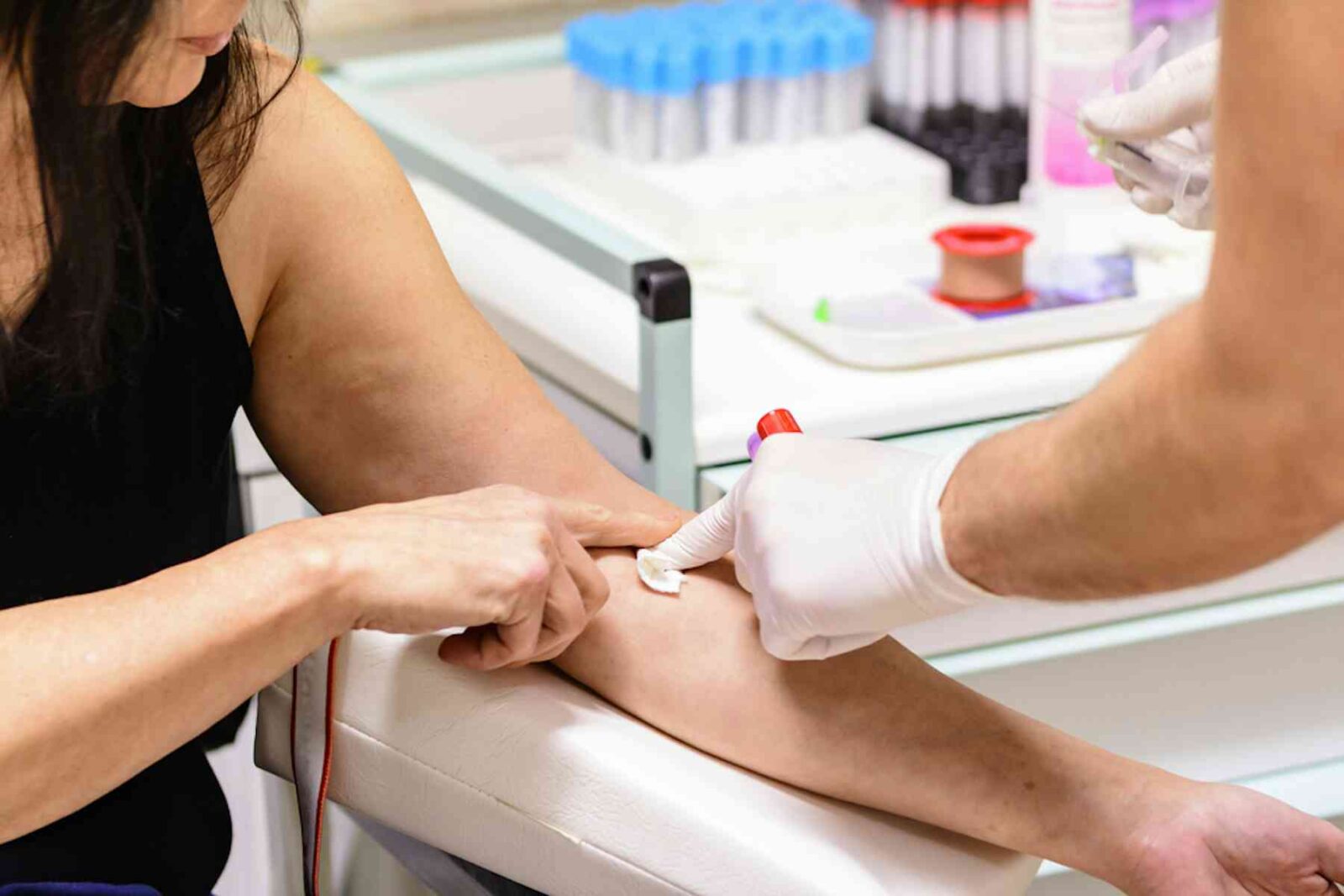
A laboratory technician collects a small blood sample using sterile medical equipment. The procedure usually takes only a few minutes and causes minimal discomfort.
Additional Medical Tests:
Besides blood testing, applicants may undergo:
- Physical examination
- Chest X-ray
- Vision screening
- Urine testing
- Blood pressure measurement
- Height and weight recording
The combination of these examinations gives immigration authorities a complete picture of your health.
Laboratory Evaluation:
Certified laboratories analyze the collected blood sample according to the destination country’s immigration medical requirements.
Medical Report Submission:
Depending on the country’s immigration system, your physician either submits the results electronically or provides a sealed medical report for immigration authorities.
Countries That Frequently Include Blood Tests in Visa Medical Examinations:
Although requirements vary, several countries commonly include blood testing as part of immigration health assessments.
United States:
Applicants for immigrant visas and adjustment of status complete medical examinations performed by authorized civil surgeons or panel physicians.
Canada:
Canada requires immigration medical examinations for many permanent residents, temporary workers, and selected international students.
Australia:
Australia conducts detailed health assessments based on visa subclass, intended stay, and medical history.
New Zealand:
Long-term visa applicants often complete blood tests together with chest X-rays and physical examinations.
Gulf Countries:
Employment visas for the United Arab Emirates, Saudi Arabia, Qatar, Kuwait, Bahrain, and Oman frequently require comprehensive blood testing before residence permits are issued.
Preparing Yourself Before the Appointment:
Good preparation helps ensure your medical examination proceeds smoothly.
Drink Plenty of Water:
Staying hydrated makes blood collection easier and improves your overall comfort.
Sleep Well the Night Before:
Adequate rest can help lower anxiety and support your general health.
Wear Comfortable Clothing:
Loose sleeves allow healthcare professionals to access your arm quickly during blood collection.
Bring Complete Documentation:
Always carry every required immigration and medical document to avoid delays.
Follow Medical Instructions:
If fasting or additional preparation is necessary, carefully follow your clinic’s instructions before your appointment.
How Long Does It Take to Receive Results?
Processing times depend on laboratory workload and immigration procedures.
Typical timelines include:
- Blood collection: Approximately 5 minutes
- Laboratory testing: 1 to 3 working days
- Medical report preparation: 3 to 10 business days
- Additional investigations: Up to several weeks if follow-up testing is required
Electronic submission systems used by many countries often reduce processing times significantly.
What If Your Blood Test Shows an Abnormal Result?
Receiving an abnormal blood test result does not automatically lead to visa refusal.
Instead, immigration physicians may:
- Recommend repeat testing
- Request specialist consultation
- Ask for treatment records
- Require additional laboratory investigations
- Evaluate whether the condition affects immigration eligibility
Many applicants successfully receive visas after completing additional medical requirements.
Common Mistakes Applicants Should Avoid:
Proper preparation can prevent unnecessary complications.
Avoid these common mistakes:
- Waiting until the last minute to schedule your appointment
- Visiting a clinic that is not officially approved
- Forgetting essential identification documents
- Hiding existing medical conditions
- Ignoring requests for additional testing
- Missing follow-up appointments
Being organized helps keep your visa application on schedule.
Frequently Asked Questions:
Is every visa applicant required to take a blood test?
No. Blood tests are generally required for long-term immigration categories such as work visas, permanent residency, and certain student visas.
Can I choose any medical clinic?
No. Immigration authorities usually require applicants to visit designated panel physicians or approved medical centers.
Do I need to fast before the blood test?
Most immigration blood tests do not require fasting unless your clinic specifically instructs otherwise.
Will I receive my laboratory results?
Some clinics provide copies directly to applicants, while others submit reports electronically to immigration authorities.
How much does an immigration medical examination cost?
Fees vary depending on the country, medical facility, required laboratory tests, and additional examinations included in the package.
Final Thoughts:
The visa blood Lab tests process is a standard requirement for many immigration programs and plays a vital role in protecting public health while supporting safe international migration. Although requirements differ between countries, the overall procedure is straightforward, professionally managed, and completed within a relatively short period. By understanding the process, preparing the necessary documents, attending an approved medical facility, and following all medical instructions, applicants can complete this important step with confidence. A well-prepared medical examination not only minimizes delays but also contributes to a smoother visa application process, helping you move one step closer to achieving your travel, work, study, or immigration goals.