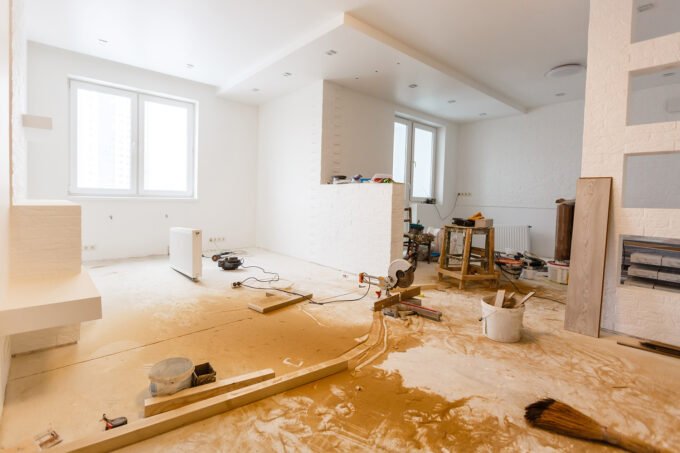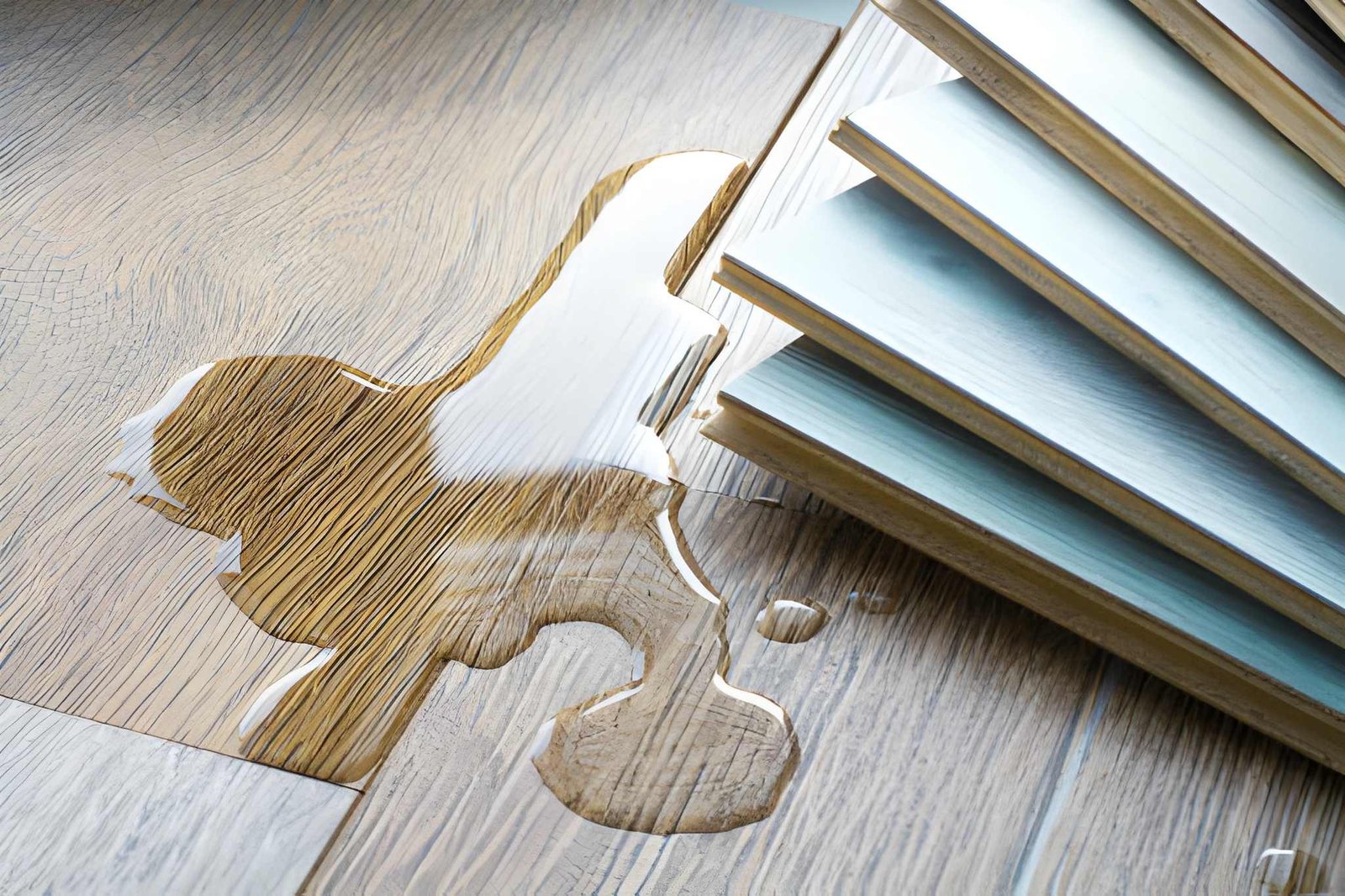
A burst pipe, a splashing toddler, or a forgotten pot of boiling pasta can turn your kitchen or bathroom floor into a soggy mess in seconds. If your flooring isn’t built to handle water, that moment can lead to warping, staining, or even mold growth hiding beneath the surface. The good news is that today’s waterproof flooring options look just as good as traditional materials, without the worry. From rich wood-look planks to classic tile, manufacturers have spent years perfecting products that pair style with real-world performance. This guide breaks down the best waterproof flooring choices for kitchens and bathrooms, what to look for before you buy, and how to install it the right way.
Why Waterproof Flooring Matters in Wet Rooms
Kitchens and bathrooms see more daily moisture than any other room in the house. Steam from showers, splashes from sinks, and spills from cooking all add up over time. When water seeps into the wrong type of flooring, it can soften the subfloor, lift seams, or create the perfect environment for mold to grow.
The U.S. Environmental Protection Agency explains that mold needs moisture to survive, and that wet materials left untreated for even a day or two can start growing mold underneath. Choosing flooring that resists water from the start is one of the simplest ways to protect your home and your indoor air quality.
This is especially important in older homes, where subfloors may already show signs of past water damage. A waterproof surface acts as a barrier, stopping new moisture from making an existing problem worse. It also gives you peace of mind during everyday accidents, since a dropped glass of water or an overflowing tub won’t turn into an expensive repair.
Signs Your Current Flooring Isn’t Up to the Job
Before you start shopping, it helps to know what trouble looks like. Watch for these warning signs in your kitchen or bathroom:
- Cupped, warped, or buckled boards near sinks, tubs, or dishwashers
- Soft or spongy spots when you walk across the floor
- Discolored grout or caulk that keeps coming back after cleaning
- A musty smell that lingers even after the room has been cleaned
- Lifting tile or peeling vinyl edges near water sources
If any of these sound familiar, it’s a strong signal that your current flooring wasn’t built to handle the moisture in that room, and an upgrade will save you headaches down the road.
Top Waterproof Flooring Options
Luxury Vinyl Plank (LVP)
Luxury vinyl plank is one of the most popular waterproof choices for kitchens and bathrooms today. It mimics the look of hardwood or stone, but its core is built to handle standing water without warping. LVP is also softer underfoot than tile, which makes it comfortable for rooms where you stand for long stretches, like in front of a kitchen sink. Most LVP products click together in a floating installation, which means less mess and a faster project timeline compared to tile.
Waterproof Vinyl Sheet
Vinyl sheet flooring comes in large rolls with few or no seams, which means there are fewer places for water to sneak through. It’s an affordable option that works well in smaller bathrooms or laundry rooms where moisture is a constant concern. Sheet vinyl also comes in a wide range of patterns, so you can get a stone or wood look without the higher price tag.
Porcelain and Ceramic Tile
Tile has been a go-to choice for wet rooms for generations, and for good reason. Porcelain and ceramic are naturally water-resistant, durable, and available in countless colors and patterns. The one thing to watch is the grout, since unsealed grout lines can absorb moisture over time. Sealing grout regularly keeps tile floors performing their best, and choosing larger format tiles cuts down on the number of grout lines you have to maintain in the first place.
Rubber Flooring
Rubber flooring isn’t just for gyms anymore. It’s naturally waterproof, slip-resistant, and easy on the joints, making it a smart pick for laundry rooms, mudrooms, or bathrooms used by older family members who need extra traction. It also muffles sound better than hard surfaces, which is a nice bonus in busy households.
What to Look for When Buying Waterproof Flooring
Not all flooring marketed as ‘water-resistant’ performs the same as truly waterproof flooring. Before you buy, check for the following:
- A waterproof core rating, not just a water-resistant surface coating
- A textured or slip-resistant finish for bathroom safety
- A manufacturer’s warranty that specifically covers moisture damage
- Compatibility with radiant floor heating, if you plan to add it later
- Easy-to-clean surfaces that don’t trap dirt in seams or grout lines
Installation Tips for Kitchens and Bathrooms
Even the best waterproof flooring needs to be installed correctly to perform well over time. Keep these steps in mind:
- Make sure the subfloor is completely dry and level before installation begins.
- Use waterproof underlayment in bathrooms and around sinks or tubs.
- Seal all edges where flooring meets walls, cabinets, or fixtures.
- Leave the manufacturer’s recommended expansion gap around the room’s perimeter.
- Hire a professional installer for tile, since uneven grout lines are a common source of leaks.
Budget Considerations
Waterproof flooring fits a wide range of budgets. Vinyl sheet and luxury vinyl plank tend to be the most affordable, while porcelain tile and rubber flooring sit in the mid-range depending on style and thickness. Keep in mind that paying a little more upfront for a quality waterproof product often saves money down the road, since you won’t be replacing warped or moldy flooring just a few years later.
Keeping Your Waterproof Floors Looking Their Best
Waterproof doesn’t mean maintenance-free. A little routine care goes a long way toward keeping your new floors looking sharp for years:
- Wipe up standing water quickly, even on waterproof surfaces, to avoid mineral spots and streaking
- Use a pH-neutral cleaner made for your specific flooring type instead of harsh chemicals
- Place mats at entry points to cut down on grit that can scratch the surface over time
- Re-seal grout on tile floors every one to two years to keep moisture from sneaking through
These small habits, combined with the right material, will keep your kitchen or bathroom floor performing well long after installation day.
Final Thoughts
Your kitchen and bathroom floors work harder than almost any other surface in your home. Choosing a waterproof option protects your investment, keeps your home healthier, and gives you peace of mind every time a glass tips over or the bath overflows. Take a look at your current flooring, picture it standing up to daily splashes for the next ten years, and decide if it’s time for an upgrade.
If you’re ready to compare waterproof flooring samples in person and get expert advice on the best fit for your space, the team at Best Buy Floors can walk you through the options and handle the installation from start to finish.