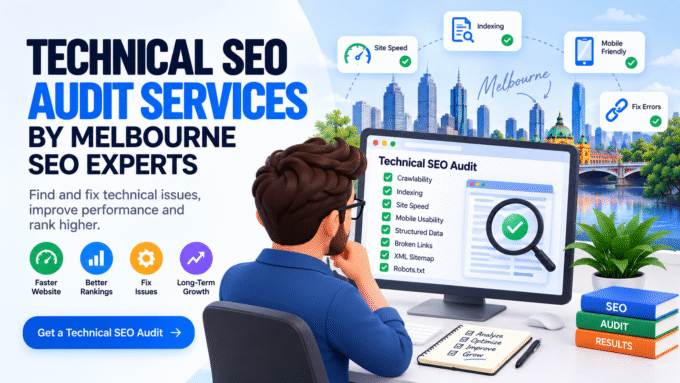
A website is often the first interaction a customer has with a business. In today’s digital environment, having an attractive website is not enough. Businesses need a website that is fast, responsive, easy to navigate, secure, search-engine friendly, and designed around the needs of their target audience. This is where Web Design Development becomes important.
Web design and development work together to create a complete online experience. Design focuses on the visual appearance, layout, usability, and user experience of a website, while development turns those designs into a functional digital platform. When both areas are handled properly, a website can become a powerful tool for generating leads, building credibility, and supporting long-term business growth.
What Is Web Design Development?
Web design development combines creative design with technical development to build a functional and professional website. It includes everything from planning the website structure and designing page layouts to coding, testing, optimization, and deployment.
A successful website should communicate a company’s brand clearly while making it easy for visitors to find information, explore services, and take action. Depending on business needs, a website may include contact forms, ecommerce functionality, booking systems, customer portals, payment integrations, blogs, or other custom features.
Modern website development also needs to consider performance, accessibility, mobile responsiveness, and search engine optimization from the beginning rather than treating them as afterthoughts.
Why Professional Website Development Matters
A professionally developed website can have a major impact on how customers perceive a business. A slow, outdated, or confusing website can make visitors leave before they learn about the company’s products or services.
On the other hand, a well-planned website creates a positive first impression and gives visitors confidence in the business. Clear navigation, professional visuals, readable content, fast loading pages, and simple calls to action can help users move through the website more comfortably.
Website development should therefore focus not only on appearance but also on functionality and business objectives.
Responsive Design for Every Device
People access websites from smartphones, tablets, laptops, and desktop computers. A modern website needs to adapt to different screen sizes without creating usability problems.
Responsive web design allows page layouts, images, typography, and other elements to adjust according to the visitor’s device. Modern responsive development commonly uses flexible layouts, CSS media queries, and responsive images to provide a consistent experience across screen sizes.
Mobile-friendly development is especially important because search engines use mobile-first indexing. Businesses should make sure that important content, navigation, forms, and interactive elements work properly on smaller screens.
Website Speed and Performance
Website performance can directly affect user experience. Visitors expect pages to load quickly, and unnecessary delays can increase the chances of users leaving a website.
Developers can improve performance by optimizing images, reducing unnecessary scripts, using efficient code, enabling browser caching, and selecting reliable hosting. Performance should be considered during the development process rather than waiting until after the website is launched.
A technically optimized website can also provide a stronger foundation for SEO. Search-friendly development includes factors such as crawlable pages, clean site architecture, descriptive titles, logical headings, and efficient internal linking.
User Experience and Easy Navigation
Good design should make it easy for visitors to understand what a business offers. Visitors should not have to search through complicated menus to find important information.
A clear navigation structure can help users quickly reach service pages, product pages, contact information, pricing details, and other important sections. Strong visual hierarchy also helps visitors understand which information matters most.
Calls to action should be noticeable without being overwhelming. Buttons such as “Contact Us,” “Request a Quote,” “Get Started,” or “Shop Now” can guide users toward the next step.
SEO-Friendly Web Development
SEO should be considered while a website is being designed and developed. Building SEO into the development process can help prevent technical problems that may affect search visibility later.
Developers should pay attention to semantic HTML, logical heading structures, descriptive URLs, metadata, mobile usability, image optimization, internal links, and crawlability. Unique title tags and descriptive meta descriptions can also help search engines understand individual pages.
An SEO-friendly website does not guarantee rankings by itself, but it creates a stronger technical foundation for future content and marketing efforts.
Security and Website Maintenance
Security is another important part of professional website development. Websites may collect contact information, customer details, or payment information, making security essential.
Using HTTPS, keeping software updated, applying security patches, protecting forms, and using reliable hosting can help reduce common security risks. Regular maintenance is also important after launch.
A website should be treated as an ongoing business asset. Regular updates, performance checks, content improvements, backups, and security monitoring can help keep the website reliable as the business grows.
Choosing the Right Web Development Approach
Every business has different requirements. A small service business may need a simple lead-generation website, while an ecommerce company may require product management, payments, customer accounts, and inventory functionality.
Before development begins, businesses should identify their goals, target audience, required features, content structure, and future growth plans. Choosing technology based on actual business requirements can help create a website that is easier to manage and scale.
Conclusion
Effective Web Design Development combines visual creativity, user experience, technical performance, responsiveness, security, and SEO. A successful website should not simply look attractive; it should help visitors find information, understand a company’s value, and take meaningful action.
For businesses looking to establish a stronger online presence, investing in professional website design and development can create a reliable digital foundation for marketing, customer engagement, and long-term growth.