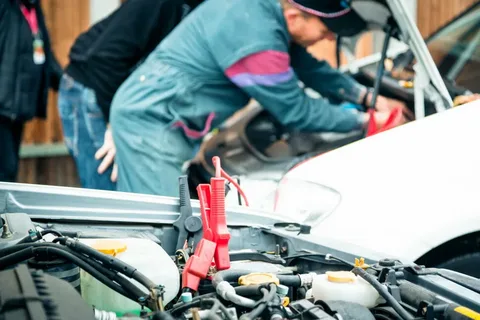
A vehicle that refuses to start can disrupt a commute, delay important errands, or leave a driver stranded in an unfamiliar location. In many cases, the problem is related to a weak or discharged battery. Understanding the common causes of battery trouble and knowing how to respond can help drivers handle the situation more safely and efficiently.
For motorists seeking Jump Starter Houston TX, understanding how jump-start assistance works can make an unexpected starting problem easier to manage. A jump-start uses an appropriate external power source to help a vehicle with a discharged battery start, provided the battery and other vehicle systems are suitable for the procedure.
Recognize the Signs of a Weak Battery
A battery that is losing its charge may show several warning signs before the vehicle stops starting altogether. Drivers might notice slow engine cranking, dim headlights, dashboard lights behaving unusually, or clicking sounds when turning the ignition key.
These symptoms can indicate a battery problem, although other electrical or mechanical faults may produce similar behavior. Paying attention to changes in starting performance can help drivers recognize when the vehicle needs inspection or roadside assistance.
Understand Why Car Batteries Lose Power
Car batteries can lose charge for several reasons. Leaving headlights or interior lights on, using electrical accessories while the engine is off, and allowing a vehicle to remain unused for an extended period can contribute to battery discharge.
Battery age, extreme temperatures, loose connections, and charging-system problems can also affect performance. If a battery repeatedly loses power, a simple jump-start may not resolve the underlying issue, and further testing may be necessary.
Prioritize Safety Before Attempting a Jump-Start
Before attempting to start a vehicle using an external power source, park in a safe location away from moving traffic. Switch off the ignition and electrical accessories, engage the parking brake, and consult the vehicle manufacturer’s instructions.
Never attempt a jump-start if the battery appears cracked, swollen, leaking, or otherwise damaged. Damaged batteries can present serious safety hazards. If the vehicle’s battery type or connection points are unfamiliar, contacting a qualified roadside assistance provider is the safer option.
Use Suitable Jump-Starting Equipment
Jump-starting equipment can include jumper cables connected to a compatible vehicle or a portable jump starter designed for the vehicle’s electrical system. The correct equipment depends on the battery type, vehicle specifications, and manufacturer’s recommendations.
Drivers should confirm that the equipment is suitable before connecting it. Incorrect connections can damage electronic components or create sparks, so the manufacturer’s procedure should always be followed. Hybrid and electric vehicles may also have specific requirements for their auxiliary batteries.
Check Battery Connections and Terminals
Loose or corroded battery connections can interfere with the flow of electrical power. In some cases, a vehicle may fail to start even when the battery still has some charge remaining.
Drivers can look for obvious signs of corrosion or loose connections without touching damaged components. If the terminals appear badly corroded, the battery is damaged, or the connection points are unclear, it is best to have the situation assessed rather than attempting an improvised repair.
Consider Houston’s Weather and Driving Conditions
Houston’s hot weather can place additional stress on vehicle batteries, potentially contributing to faster battery deterioration. Frequent short trips, extended periods of inactivity, and heavy use of electrical accessories can also affect battery performance.
Drivers can reduce the likelihood of unexpected battery problems by checking battery condition during routine maintenance and addressing warning signs early. Before longer trips, it is useful to confirm that the vehicle starts reliably and that the battery and charging system are in suitable condition.
Know When Roadside Assistance Is Helpful
Not every driver has the equipment or experience needed to handle a discharged battery safely. Roadside assistance can be useful when a vehicle will not start in a parking lot, driveway, workplace, or roadside location.
When requesting help, provide the vehicle’s location, make and model, and a description of the symptoms. Mentioning whether the dashboard lights work or whether the engine makes a clicking sound may also help the service provider understand the problem.
Understand What Happens After a Jump-Start
A successful jump-start does not necessarily mean the battery is healthy. The vehicle may start temporarily but fail again if the battery cannot retain a charge or if the charging system is not working properly.
After the vehicle starts, follow the manufacturer’s guidance about operating and checking the charging system. A battery test may be appropriate if starting problems recur. Replacing a battery without checking for other electrical faults may not solve a repeated discharge problem.
Prevent Future Battery Problems
Routine maintenance can help reduce the chance of an unexpected starting issue. Have the battery tested when appropriate, keep connections in good condition, and ensure that lights and accessories are switched off when the vehicle is parked.
Drivers who leave their vehicles unused for long periods may need to follow the manufacturer’s recommendations for battery maintenance. Replacing an aging battery before it fails completely can also help prevent inconvenient interruptions.
Final Thoughts
A discharged battery can prevent a vehicle from starting at an inconvenient time, but understanding the warning signs and available assistance options can make the situation easier to manage. Suitable equipment, careful handling, and attention to manufacturer instructions are important when jump-starting a vehicle.
For drivers in Houston, routine battery checks and prompt attention to repeated starting problems can help reduce unexpected breakdowns. When a jump-start is needed, appropriate roadside assistance can provide a practical way to get the vehicle started or determine whether additional repairs are required.