During laser skin resurfacing treatment, controlled laser energy targets specific layers of the skin to remove damaged surface cells or stimulate collagen remodelling. The skin responds through a natural repair process that may improve texture, soften the appearance of fine lines, and reduce the visibility of certain scars. The exact response depends on the laser technology, treatment intensity, and individual skin characteristics. People considering تجديد سطح البشرة بالليزر في دبي can benefit from understanding what happens during the procedure, how the skin heals afterward, and what to expect during recovery.
How Does the Skin Respond During Laser Resurfacing?
Laser resurfacing uses concentrated light energy to create a controlled effect in targeted skin tissues. Depending on the technique, the laser may remove thin layers of the outer skin or heat deeper tissue without removing the entire surface.
These effects initiate different responses in the skin. Ablative treatments trigger healing after removing damaged tissue, while non-ablative treatments encourage collagen remodelling through controlled heating.
The process is designed to address specific skin concerns without unnecessary damage to surrounding areas. However, the intensity and response vary between treatments.
What Happens to the Skin Step by Step?
The Skin Is Prepared:
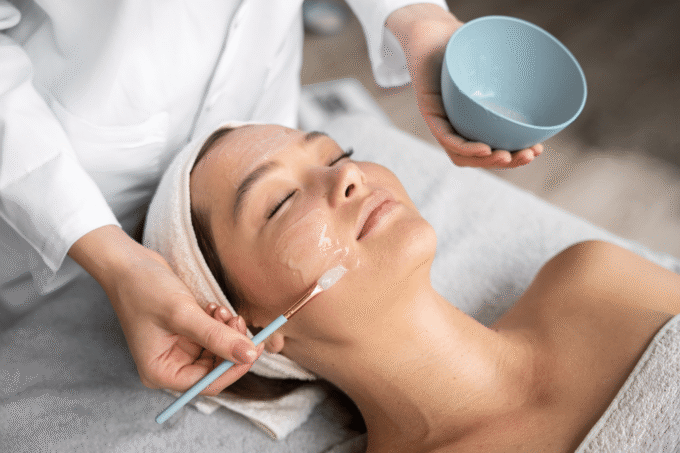
Before treatment, the practitioner cleanses the skin to remove makeup, oil, and surface impurities. The skin is assessed to determine the appropriate laser settings and identify factors that may increase the risk of irritation or pigmentation changes.
Protective eyewear is provided, and a numbing cream or another pain-management method may be used, depending on the laser and treatment intensity.
Laser Energy Targets the Treatment Area:
The practitioner directs the laser over the selected area. The energy interacts with the skin according to the technology being used.
With ablative lasers, thin layers of damaged skin are removed. With non-ablative lasers, controlled heat reaches targeted tissues without removing the entire outer skin layer.
Patients may experience warmth, tingling, or brief snapping sensations during treatment. The practitioner adjusts the approach according to the treatment plan and the skin’s response.
A Controlled Repair Response Begins:
After the laser creates its intended effect, the skin begins its natural healing process. With ablative resurfacing, the treated surface must repair itself. With non-ablative treatment, the response primarily involves changes in deeper tissues.
This repair process may contribute to improvements in skin texture and the appearance of selected scars. The extent of change depends on the procedure, individual healing, and the original skin concern.
Collagen Remodelling May Occur:
Some laser treatments stimulate collagen production and remodelling. Collagen is a structural protein that helps support the skin’s firmness and structure.
As remodelling develops, the skin may appear smoother, and some fine lines or shallow scars may become less noticeable. These changes generally take time and do not occur immediately after every treatment.
What Does the Skin Look Like Immediately After Treatment?
The skin’s immediate appearance depends on the laser type and treatment intensity.
Possible short-term effects include:
-
Redness: The treated skin may appear pink or red.
-
Warmth: The area may feel warm or mildly uncomfortable.
-
Swelling: Temporary swelling can develop around the treated area.
-
Sensitivity: The skin may feel more sensitive than usual.
-
Peeling or crusting: These effects are more likely after ablative resurfacing.
Not everyone experiences all these effects. Non-ablative procedures often cause milder reactions, while more intensive ablative treatments can produce more noticeable changes.
What Happens During the Healing Process?
Early Recovery:
During the first few days, redness, swelling, sensitivity, or dryness may continue. After ablative treatment, the skin may peel or form small crusts as the surface heals.
It is important not to pick, scrub, or pull away peeling skin. Doing so can increase irritation and the risk of scarring or pigmentation changes.
Skin Repair and Renewal:
As healing progresses, the skin gradually repairs the treated area. The duration varies according to the procedure, and more intensive treatments generally require a longer recovery period.
The practitioner may recommend gentle cleansing, suitable moisturizing products, and specific wound-care instructions when necessary.
Gradual Improvement:
Once the initial healing has progressed, some people notice smoother texture or improvements in the appearance of fine lines and selected scars. Collagen-related changes may continue for several weeks or months.
The final result depends on the laser used, the skin concern, and individual healing. Some concerns require multiple sessions or alternative treatments.
How Does Laser Resurfacing Affect Different Skin Concerns?
Laser resurfacing can affect the skin in different ways depending on the concern being treated.
Fine Lines and Wrinkles:
Certain lasers stimulate collagen remodelling, which may soften the appearance of some fine lines. However, resurfacing does not reliably correct pronounced wrinkles caused by significant tissue laxity.
Acne Scars:
Selected acne scars may become less noticeable as the surface is smoothed and collagen remodelling occurs. Deep or narrow scars may need other treatments or a combination approach.
Sun Damage and Uneven Texture:
Some treatments remove damaged surface cells or encourage tissue remodelling, improving the appearance of roughness and selected signs of sun damage.
Pigmentation Concerns:
Certain lasers can address specific pigmentation problems, but not every dark spot is suitable for resurfacing. In some individuals, particularly those prone to post-inflammatory hyperpigmentation, unsuitable treatment may worsen discoloration.
A qualified professional should identify the cause of pigmentation before recommending treatment.
What Aftercare Does the Skin Need?
Appropriate aftercare helps protect the skin while it recovers.
-
Follow the practitioner’s cleansing and moisturizing instructions.
-
Apply broad-spectrum sunscreen as directed.
-
Avoid direct sun exposure as much as possible during recovery.
-
Pause retinoids, exfoliating acids, and other irritating products until the practitioner advises that they can be resumed.
-
Avoid picking, scratching, or rubbing the treated skin.
-
Attend follow-up appointments when recommended.
Seek medical advice if you develop severe or worsening pain, spreading redness, pus, fever, blistering, or other unexpected symptoms.
Are There Risks to the Skin?
Laser resurfacing can cause temporary redness, swelling, discomfort, dryness, and peeling. Potential complications include infection, prolonged redness, scarring, and changes in skin pigmentation.
The risk depends on the laser technology, treatment settings, skin type, medical history, and practitioner experience. Careful assessment and suitable aftercare can help reduce avoidable complications, although no procedure is completely risk-free.
Frequently Asked Questions:
Does the skin peel after laser resurfacing?
Peeling may occur, particularly after ablative treatment, but it is not inevitable with every laser procedure. The response depends on the technology and treatment intensity.
Does laser resurfacing damage the skin?
The treatment creates a controlled effect in targeted tissues. Ablative lasers intentionally remove selected surface layers, while non-ablative lasers heat deeper tissues. Appropriate treatment selection is important to minimize complications.
How long does the skin take to heal?
Recovery varies from minimal downtime after some non-ablative procedures to a longer healing period after ablative resurfacing. The practitioner should explain the expected timeline for the specific treatment.
When do results become visible?
Some changes may become apparent after the skin heals, while collagen-related improvements can develop over several weeks or months.
Conclusion:
During laser skin resurfacing treatment, controlled laser energy removes selected damaged skin cells or stimulates deeper tissue remodelling. The skin then begins a repair process that may improve texture, soften fine lines, and reduce the appearance of certain scars. Temporary redness, swelling, sensitivity, or peeling may occur, depending on the procedure. Professional assessment, realistic expectations, and appropriate aftercare are essential for supporting recovery. Anyone considering laser skin resurfacing treatment should consult a qualified professional to understand how their skin may respond and which technique is most suitable for their needs.