Acne scars can affect more than the appearance of the skin. For many people, they can influence confidence, self-esteem, and the willingness to appear in photographs or social situations. Although acne may gradually disappear with time, the marks and changes in skin texture it leaves behind can remain for months or even years. Fortunately, modern dermatology offers several treatment options that can help improve the appearance of acne scars and create smoother, more even-looking skin.
For individuals exploring professional skincare solutions, Dermatologists in Oman offer access to a range of acne scar management options, depending on skin type, scar severity, and individual treatment goals. From chemical peels and microneedling to laser procedures and subcision, different approaches can address different forms of scarring.
Understanding these treatments is an important first step toward making an informed decision. While no single procedure works for every type of acne scar, a personalized treatment plan can help improve skin texture, reduce discoloration, and support long-term skin health.
1. Understanding Different Types of Acne Scars
Before selecting a treatment, dermatologists assess the type of scarring present. Acne scars develop when inflammation damages the skin during the healing process. The amount of collagen produced or lost during healing can influence whether a scar appears raised, depressed, or discolored.
Not every mark left by acne is a permanent scar. Some are temporary changes in pigmentation that gradually fade, while others involve structural changes to the skin.
Atrophic acne scars: These scars appear as small depressions or indentations because the skin has lost collagen. They include ice pick scars, which are narrow and deep; boxcar scars, which have wider, defined edges; and rolling scars, which create an uneven, wave-like appearance.
Hypertrophic and keloid scars: These raised scars develop when the body produces excess collagen during healing. They may feel firm, extend above the skin’s surface, and sometimes cause itching or discomfort.
Post-inflammatory hyperpigmentation: These flat, dark marks develop after inflammation and are particularly noticeable in skin tones that are more prone to pigmentation. They are not true scars because they do not involve permanent changes in skin texture.
Post-inflammatory erythema: These flat pink, red, or purplish marks can remain after an acne lesion heals. Their appearance varies according to skin tone and the body’s healing response.
Identifying the correct type of mark helps determine which treatment is likely to provide the greatest benefit. A procedure designed for depressed scars, for example, may not be the best option for dark spots or raised scars.
2. Chemical Peels for Acne Marks and Uneven Skin Tone
Chemical peels are commonly used to improve uneven skin tone, mild discoloration, and certain superficial acne-related changes. During this procedure, a dermatologist applies a carefully selected chemical solution to exfoliate the outer layers of the skin and encourage new skin cells to develop.
Different peels vary in their ingredients, strength, and depth of action. Superficial peels may contain ingredients such as glycolic acid or salicylic acid, while stronger formulations may be considered for selected cases under professional supervision.
Chemical peels can be helpful for individuals experiencing post-inflammatory hyperpigmentation, rough skin texture, and mild acne-related discoloration. They may also help manage active acne in appropriate cases, which can reduce the likelihood of developing additional marks.
However, chemical peels generally provide limited improvement for deep ice pick scars, pronounced boxcar scars, and other substantial structural depressions. These conditions may require procedures that target deeper layers of the skin.
Skin tone is an important consideration when choosing a peel. In individuals with darker skin, overly aggressive treatment can trigger further pigmentation or irritation. A dermatologist can select an appropriate formulation and recommend preparation and aftercare to reduce these risks.
Patients may need multiple sessions to achieve gradual improvements. Daily sunscreen use and gentle skincare are especially important after treatment because the skin may be more sensitive to sunlight.
3. Microneedling and Radiofrequency Treatments
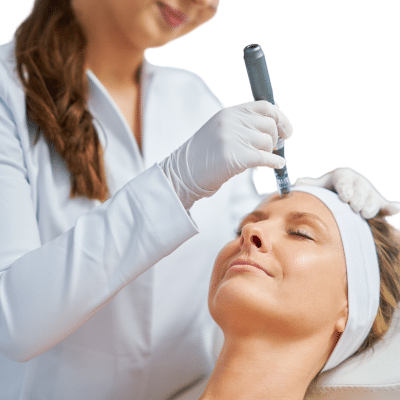
Microneedling is a popular option for improving the appearance of depressed acne scars. The procedure uses a specialized device with fine needles to create controlled micro-injuries in the skin. These tiny channels stimulate the body’s natural wound-healing response and encourage collagen production.
As collagen develops over time, the skin may appear smoother, and certain shallow scars can become less noticeable. Microneedling may be particularly useful for mild to moderate atrophic acne scars and uneven skin texture.
A series of sessions is usually needed because collagen remodeling occurs gradually. The number of treatments depends on the depth of the scars, skin response, and the degree of improvement desired.
Radiofrequency microneedling combines tiny needles with radiofrequency energy. This energy delivers controlled heat into selected skin layers, stimulating collagen remodeling. It may help improve skin texture and selected depressed scars while allowing treatment to be tailored to different areas.
These procedures can be considered by people researching acne scar care with Dermatologists in Oman, particularly when they want to explore options for improving skin texture without relying exclusively on more intensive resurfacing procedures.
Nevertheless, microneedling is not suitable for every situation. Active acne, certain skin infections, and some inflammatory skin conditions may require treatment before the procedure can be performed safely. Improperly performed microneedling can also cause infection, prolonged irritation, or pigmentation changes.
Professional assessment is essential to determine whether conventional microneedling, radiofrequency microneedling, or another approach is more appropriate.
4. Laser Resurfacing for Acne Scar Improvement
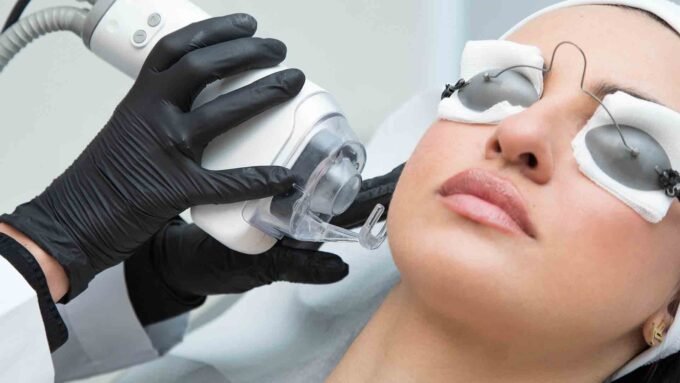
Laser treatments use concentrated light energy to target specific skin structures. Depending on the technology, a laser may remove controlled portions of the skin’s surface, heat deeper tissue, or target pigment and blood vessels.
Laser resurfacing is often considered for atrophic acne scars, uneven texture, and selected pigmentation concerns. The choice of laser depends on the scar pattern, skin tone, healing history, and tolerance for downtime.
Ablative laser treatments remove or vaporize targeted portions of the skin’s surface. Fractional carbon dioxide and erbium-based lasers are examples used in selected resurfacing treatments. They can produce meaningful improvements in certain scars but may involve redness, swelling, peeling, and a longer recovery period.
Non-ablative and fractional non-ablative lasers stimulate collagen remodeling while leaving more of the skin’s surface intact. These treatments may involve less downtime, although several sessions are often required and results can develop gradually.
Lasers can be effective for some patients, but they are not guaranteed to eliminate scars completely. Deep, narrow scars may respond poorly to resurfacing alone and could require a combination of procedures.
People with medium to darker skin tones need particular care when considering laser treatments. Some devices and settings carry a greater risk of post-inflammatory hyperpigmentation. A qualified dermatologist can assess the suitability of the technology and adjust treatment according to the patient’s skin characteristics.
Following treatment instructions, avoiding excessive sun exposure, and using recommended skincare products are essential for supporting recovery and reducing complications.
5. Subcision, Fillers, and Targeted Scar Procedures
Some acne scars are held down by fibrous bands beneath the skin. These bands pull the surface downward, creating a depressed or rolling appearance. Treatments that focus on the underlying structure may be more effective than surface resurfacing alone.
Subcision: This minor procedure involves inserting a specialized needle or instrument beneath the skin to release fibrous bands that tether a scar. Releasing these connections allows the depressed area to rise and can stimulate collagen formation during healing. Subcision is particularly useful for selected rolling scars, although bruising, swelling, and temporary tenderness may occur.
Dermal fillers: Certain fillers can be injected beneath selected depressed scars to provide temporary or longer-lasting elevation, depending on the material used. They may be suitable for particular rolling or shallow boxcar scars. Fillers do not work equally well for every scar type, and their effects vary according to the product and individual response. Rare but serious complications, including vascular injury, are possible, so treatment requires an appropriately qualified medical professional.
Punch excision and punch elevation: These targeted techniques may be considered for individual deep ice pick scars or selected sharply defined boxcar scars. Punch excision removes a small scar and allows the area to heal, while punch elevation raises the scar base closer to the surrounding skin level. These procedures may leave a small surgical mark, but they can improve scars that respond poorly to broader resurfacing treatments.
Dermatologists may combine these techniques with microneedling, laser resurfacing, or chemical peels when several scar patterns are present. The aim is to address the underlying cause of each scar rather than treating every area in the same way.
6. How Dermatologists in Oman Create a Personalized Treatment Plan
Choosing an acne scar treatment involves more than selecting a popular procedure. A dermatologist evaluates the skin’s condition, the type and depth of scarring, the presence of active acne, previous treatments, and the patient’s expectations.
Climate and everyday skincare habits can also influence recovery. In Oman, strong sunlight and high outdoor temperatures make sun protection especially important for people undergoing procedures that temporarily increase skin sensitivity. Sunscreen, protective clothing, and avoiding unnecessary direct sun exposure can help reduce the risk of pigmentation changes during healing.
A typical treatment plan may include several stages.
First, controlling active acne: New breakouts can produce additional scars. A dermatologist may recommend topical treatments, oral medication when appropriate, or other acne management strategies before beginning scar-focused procedures.
Second, choosing suitable procedures: Superficial discoloration may respond to topical skincare or chemical peels, while depressed scars may benefit from microneedling, laser resurfacing, subcision, or targeted techniques.
Third, planning realistic treatment goals: Acne scar improvement is usually gradual. Multiple sessions may be required, and different scars on the same face may respond differently. The aim is often to make scars less noticeable rather than remove them entirely.
Fourth, maintaining results: Gentle cleansing, a suitable moisturizer, broad-spectrum sunscreen, and appropriate acne prevention can help support skin health. Prescription products should be used according to professional guidance, especially after procedures.
When researching Dermatologists in Oman, patients should look for qualified professionals with experience in acne scar assessment and the procedures being considered. It is reasonable to ask about expected results, possible side effects, recovery time, treatment alternatives, and whether the recommended procedure is suitable for the patient’s skin tone.
A careful consultation can help patients understand the benefits and limitations of each option before committing to treatment.
Frequently Asked Questions
1. Can acne scars be removed completely?
Acne scars can often be improved significantly, but complete removal is not always possible. Results depend on scar type, depth, skin characteristics, and the treatment selected. A combination of procedures may provide better improvement than a single treatment in some cases.
2. Which acne scar treatment provides the best results?
There is no single best treatment for every patient. Microneedling may help selected depressed scars, laser resurfacing can improve certain texture concerns, subcision may benefit tethered rolling scars, and chemical peels can help with superficial discoloration. A dermatologist can recommend the most suitable option after assessing the skin.
3. How many sessions are needed to treat acne scars?
The number of sessions varies according to the procedure and the severity of the scars. Some treatments require several appointments spaced weeks apart, while others may need fewer sessions followed by a period of healing and reassessment. Improvement can continue for months as collagen remodeling occurs.
4. Are acne scar treatments safe for darker skin tones?
Many acne scar treatments can be performed on darker skin tones when the procedure and settings are carefully selected. However, some treatments carry a risk of post-inflammatory hyperpigmentation. Professional assessment, appropriate technique, and consistent sun protection are important for reducing this risk.
5. Can active acne be treated at the same time as acne scars?
Active acne often needs to be controlled before certain scar procedures begin. Some treatments may be appropriate in carefully selected cases, but procedures such as microneedling are generally avoided over active inflammatory breakouts. Treating acne early helps prevent further scarring.
6. What should patients do after acne scar treatment?
Patients should follow their dermatologist’s aftercare instructions, use gentle skincare, avoid picking or scratching the treated skin, and protect the skin from sunlight. The recommended recovery routine depends on the procedure. Severe or worsening pain, spreading redness, unusual swelling, or signs of infection should be assessed promptly by a healthcare professional.
Acne scars can be challenging, but appropriate treatment can make a meaningful difference in skin texture and appearance. Understanding the available options allows patients to approach treatment with realistic expectations and greater confidence. For those considering professional care, Dermatologists in Oman can help identify suitable procedures, address individual skin concerns, and develop a treatment plan that supports gradual, lasting improvement.
Read More About Dermatologists in Oman: https://linkmate.mn.co/posts/dermatologists-answer-when-is-a-rash-serious