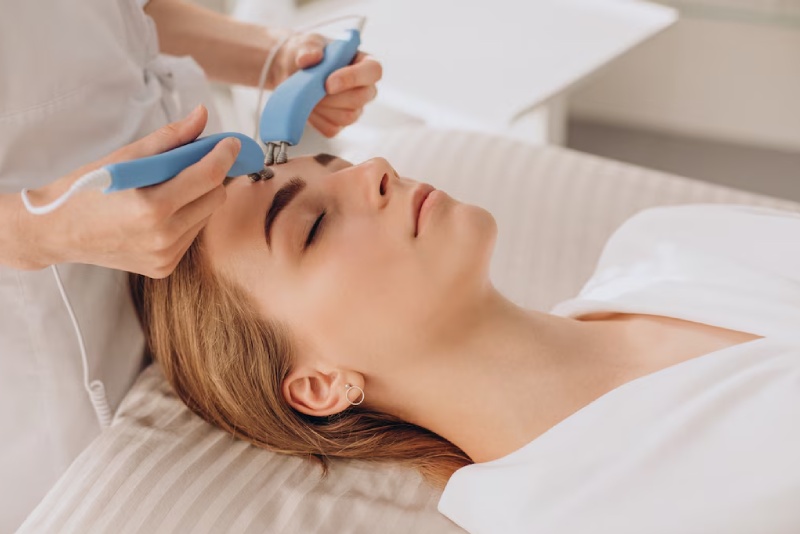
Skin concerns such as pigmentation, acne marks, freckles, and uneven skin tone affect people of all ages and skin types, often leading them to explore advanced dermatological solutions. Among the most widely recommended procedures, Q-switched Laser Treatment stands out for its precision in targeting melanin-related issues while preserving surrounding skin. However, not everyone is an ideal candidate, and understanding suitability is essential before starting treatment.
Understanding How the Treatment Works:
This laser technology uses short bursts of high-energy light to break down excess pigment in the skin. The fragmented particles are then naturally eliminated by the body’s immune system over time, leading to gradual skin improvement.
Key functions include:
- Targeting melanin deposits
- Breaking down pigmentation clusters
- Improving uneven skin tone
- Supporting skin rejuvenation
- Minimizing damage to surrounding tissue
Because of its selective action, it is commonly used in dermatology for pigmentation correction.
Ideal Candidates for Pigmentation Concerns:
One of the primary groups that benefit from laser treatment includes individuals with visible pigmentation issues. These patients often struggle with stubborn discoloration that does not respond well to topical treatments.
Ideal pigmentation-related candidates include:
- People with melasma
- Individuals with sunspots
- Patients with post-acne marks
- Those with freckles
- People with uneven skin tone
- Individuals with age spots
These conditions typically respond well when treated under professional supervision.
Candidates with Sun Damage:
Excessive sun exposure is one of the leading causes of skin damage and pigmentation. People who experience long-term UV exposure often develop uneven tone and dark patches.
Suitable candidates include:
- Individuals with tanning that does not fade
- People with UV-induced pigmentation
- Those with dull and uneven complexion
- Outdoor workers with sun exposure damage
- Patients with early photoaging signs
Laser treatment helps restore more even and brighter skin in such cases.
Skin Types That Can Benefit:
Modern laser technology is designed to be adaptable across various skin tones when used correctly. However, skin assessment is crucial before treatment.
Generally suitable skin types include:
- Fair skin with pigmentation concerns
- Medium skin tones with acne marks
- Deeper skin tones with customized settings
- Sensitive skin with proper evaluation
- Combination skin types
Dermatologists adjust laser parameters to ensure safety and effectiveness.
Patients with Stable Skin Conditions:
Candidates with stable skin health tend to respond better to treatment. Active skin conditions may need to be addressed before starting laser sessions.
Ideal conditions include:
- No active infections
- No open wounds
- Controlled acne conditions
- Stable pigmentation issues
- No recent severe skin irritation
Healthy baseline skin ensures safer and more predictable results.
Individuals Seeking Non-Invasive Treatment:
Many people prefer non-surgical solutions for cosmetic skin concerns. Laser treatment is suitable for those who want effective results without invasive procedures.
Good candidates include:
- Individuals avoiding surgery
- Patients seeking minimal downtime options
- People preferring outpatient treatments
- Those looking for gradual improvement
- Individuals with busy lifestyles
The procedure typically allows quick recovery and minimal disruption.
Candidates with Realistic Expectations:
Understanding what the treatment can and cannot do is essential for satisfaction. Laser therapy improves pigmentation but does not provide instant or permanent perfection.
Suitable mindset includes:
- Expecting gradual improvement
- Understanding multiple sessions are needed
- Accepting maintenance may be required
- Recognizing variability in results
- Following dermatologist guidance
Realistic expectations improve overall treatment experience.
Who Should Be Cautious or Avoid Treatment:
While many people are suitable candidates, certain individuals may need to avoid or delay treatment based on their skin condition or medical history.
Not ideal candidates include:
- People with active skin infections
- Individuals with severe eczema flare-ups
- Pregnant or breastfeeding women (in some cases)
- Patients with photosensitivity disorders
- Those with open wounds or burns
- Individuals with uncontrolled skin conditions
A dermatologist consultation is essential before proceeding.
Role of Dermatologist Evaluation:
Professional evaluation is a critical step in determining candidacy. Dermatologists assess skin type, pigmentation depth, and medical history before recommending treatment.
Evaluation process includes:
- Skin examination
- Medical history review
- Pigmentation analysis
- Patch testing if needed
- Treatment planning
This ensures safety and personalized care.
Importance of Lifestyle Factors:
Lifestyle habits also play a role in determining treatment success. Patients who maintain healthy routines tend to achieve better results.
Helpful lifestyle factors include:
- Regular sunscreen use
- Limited sun exposure
- Healthy skincare routine
- Adequate hydration
- Avoiding harsh products
- Consistent follow-up care
Good habits enhance treatment effectiveness.
Candidates with Commitment to Aftercare:
Aftercare is a crucial part of achieving long-term success. Patients who follow instructions carefully tend to see better and longer-lasting results.
Essential aftercare commitment includes:
- Daily sunscreen application
- Avoiding direct sunlight
- Using gentle skincare products
- Following prescribed routines
- Attending follow-up sessions
Proper care ensures optimal healing and pigment control.
Why Patient Selection Matters:
Selecting the right candidates is important for both safety and effectiveness. Not all pigmentation types respond equally, and proper assessment helps avoid complications.
Key reasons include:
- Ensuring treatment safety
- Improving success rates
- Reducing side effects
- Personalizing treatment plans
- Enhancing long-term outcomes
Proper selection leads to better patient satisfaction.
Importance of Professional Guidance:
Dermatologists play a key role in identifying suitable candidates and customizing treatment plans based on individual needs. Their expertise ensures safe and effective results.
Professional benefits include:
- Accurate diagnosis
- Customized laser settings
- Reduced risk of complications
- Better treatment outcomes
- Ongoing skin monitoring
Expert supervision is essential for successful results.
Final Thoughts:
Determining the ideal candidate for laser-based pigmentation treatment requires careful evaluation of skin type, condition severity, lifestyle habits, and overall skin health. While many individuals with pigmentation concerns can benefit from this procedure, success depends on proper diagnosis, realistic expectations, and consistent aftercare. With guidance from an experienced dermatologist, suitable candidates can achieve clearer, more even-toned skin through a safe and structured treatment approach that delivers gradual and long-lasting improvement.