What Makes Chrome Hearts Different From Every Other Hype Label
Plenty of brands shout. Chrome Hearts whispers, and somehow that’s louder. The label started in 1988 as a leather and silver workshop in Los Angeles, not as a clothing line chasing clout. That origin still shapes everything. When you pick up a piece, you feel weight first, because the silver is real sterling and the leather is thick enough to crease slowly over years. Most hype brands print a logo and call it a day, but this one carves crosses, daggers, and fleur-de-lis into metal by hand. So the gothic look isn’t a costume here. It’s baked into how each item gets built. I’ve handled a lot of “luxury” streetwear, and the difference shows up fast in the small stuff. Seams sit flat. Rings have heft. Hoodies don’t go thin after a wash. You’re paying for craft, not just a name, though the name carries plenty of weight too. Fans hunt these pieces down for the same reason they collect watches, since each one feels personal and slightly rebellious. The brand stays low-key on purpose, rarely advertising and rarely explaining itself. That quiet confidence is rare now. And honestly, it’s a big part of why the appeal hasn’t faded after more than three decades. If you want flash without depth, look elsewhere. But if you want something that ages like a good leather jacket, this is the lane.
The Silver Jewelry That Started It All
Before the hoodies, before the celebrity sightings, there was silver. Richard Stark founded the brand as a jeweler and leather craftsman, and that root still runs deep through the whole catalog. The signature crosses, daggers, and floral scrollwork all come from this jewelry-first mindset. Each ring, pendant, and bracelet gets cast in heavy sterling silver, then finished by hand so no two pieces wear in exactly alike. That matters more than people expect. Cheaper silver goes dull and bends, while thick sterling builds a patina that actually looks better with age. You can browse the full range of chrome hearts pieces and see how the gothic motifs repeat across rings, cuffs, and pendants in a consistent style. Here’s a hands-on detail most buyers miss: real heavy sterling feels cold longer than thin plated metal, because the denser silver holds temperature, so a genuine cross pendant stays cool in your palm for several seconds. That’s a quick gut-check before you commit. The jewelry tends to start at the highest price tier in the brand, which puts some people off, and that’s a fair concern worth naming. Still, for collectors, these pieces are the heart of the label. They’re meant to last decades, get passed down, and pick up small scratches that tell a story. Clothing comes and goes, but the silver is forever.
Three Things to Check Before You Buy Your First Piece
Buying into a premium label feels risky the first time, so a short checklist helps a lot. The market is full of fakes, and knowing what to look for saves you money and regret. Here’s what I tell every friend who asks me where to start.
- Check the stamp. Genuine sterling silver carries a “925” mark, usually tucked somewhere subtle on rings and pendants. No stamp is a red flag.
- Feel the weight. Real pieces feel heavier than they look, because thick sterling and dense leather both carry serious mass. Light and hollow means trouble.
- Study the finish. Hand-carved detail has tiny imperfections that machines can’t fake, so look closely at the crosses and scrollwork under good light.
Run through those three steps and you’ll dodge most knockoffs out there. None of them need special tools, just your eyes and your hands. After a while, spotting the real thing becomes second nature, and you’ll trust your own judgment more than any seller’s promise.
How the Clothing Holds Up Against the Hype
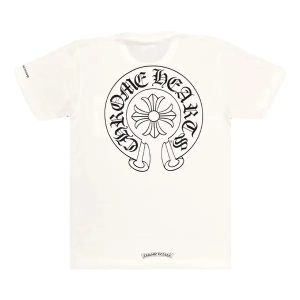
The apparel side came later, but it earned its spot. Hoodies, tees, jeans, and jackets all carry the same gothic stamp as the jewelry, and they’re built thick. A proper hoodie here uses heavyweight cotton that keeps its shape, so it won’t sag at the hem after a month of regular wear. That’s the part you actually notice day to day. The cross-logo graphics get screen-printed in layers, not slapped on flat, which is why they don’t crack the first time you stretch the fabric. You can dig into the hoodie collection to see the range, from camo prints to clean black pullovers with that signature spine-cross detail down the back. Fit runs slightly roomy, which suits the streetwear look and layers well over a tee. The flannel shirts deserve a shout too, since the plaid patterns come in bold color mixes you don’t see on standard fall shirts. Personally, I’d reach for a plaid flannel over a graphic tee any day, because it dresses up or down without trying too hard. Denim and jackets round out the line for anyone building a full outfit. The clothing isn’t cheap, and it shouldn’t be, given the materials. But it wears in rather than wearing out, which is the whole point of buying once and keeping it.
Styling Chrome Hearts Without Looking Like You Tried Too Hard
Wearing bold pieces takes a light touch. Pile on too much and you look like a costume, but skip the balance and the whole point gets lost. The trick is letting one statement piece lead while everything else stays calm. Here’s how I’d build a few looks that actually work day to day:
- One ring, not five. A single heavy cross ring reads as confident, while a fistful of silver reads as trying. Start small and add slowly.
- Pair a loud hoodie with plain bottoms. Let the spine-cross graphic do the talking over simple black jeans, so the outfit breathes.
- Layer a flannel open over a basic tee. The plaid adds personality without shouting, and you stay comfortable all day.
- Keep shoes neutral. Clean white or black sneakers ground the look and stop it from tipping into busy.
These combos stretch across coffee runs, casual office days, and weekend plans without a hitch. The goal is intentional, not overdone. When one piece carries the weight, the rest of your fit can stay relaxed, and you end up looking put-together instead of costumed. That balance is what separates people who wear the brand well from people who just own it.
Where Chrome Hearts Sits Among Other Bold Labels
No brand exists alone, and the gothic-luxury space has a few strong players worth knowing. Each one takes a different angle on the same idea, which is bold design built for people who want their clothes to say something. Take Amiri, the Los Angeles label known for distressed denim and a rock-and-roll edge that leans more glam than gothic. It shares the same premium price tier and the same hometown, yet the vibe runs lighter and flashier. Then there’s a newer wave of expressive streetwear like mixed emotions, which builds rhinestone hoodies and mood-named pieces around the idea that clothes should match how you actually feel on a given day. That mood-driven thinking echoes the personal, identity-first spirit that gothic labels pioneered years back. Comparing them helps you figure out your own taste. Some people want the heavy silver and dark carving, while others lean toward distressed denim or rhinestone shine. There’s no wrong answer here, just different flavors of bold. What ties them together is a refusal to be boring. Each label bets that you’d rather own a few pieces with real character than a closet full of forgettable basics. Once you know the landscape, picking your lane gets a lot easier, and you stop buying things that don’t fit who you are.
The Resale World and Why These Pieces Hold Value
Here’s something the marketing never mentions: this stuff holds value scary well. Walk through any resale platform and you’ll spot rings and hoodies selling for close to retail, sometimes more when a piece gets discontinued. That’s rare for clothing, which usually loses half its worth the second you wear it. The reason ties back to craft and scarcity. The brand makes limited runs and rarely restocks, so when a colorway sells out, it’s often gone for good. Collectors know this, and they move fast on pieces they want. So buying isn’t just spending, it’s almost holding an asset that you also get to wear. The silver jewelry holds value best, since sterling has real material worth on top of the brand premium, and a well-kept cross ring barely depreciates. Clothing varies more, with rare graphics and collaborations climbing while basics stay flat. That said, resale isn’t a guaranteed payday, and treating fashion as investment can burn you if trends shift. I’d buy because you love the piece first, with resale value as a nice bonus rather than the main reason. Still, it’s reassuring to know that if your taste changes, you can pass a piece on and recover most of what you spent. Few wardrobes offer that kind of safety net.
Is Chrome Hearts Worth the Price for You
Price is the question everyone circles back to, and it deserves an honest answer. These pieces cost real money, no way around it. A single ring can run into serious territory, and a hoodie sits well above standard streetwear prices. For some people, that’s simply too much, and there’s no shame in walking away. But value isn’t only about the sticker. When a piece lasts a decade, holds resale value, and never goes out of style, the cost per wear drops fast. Compare that to fast fashion you replace every season, and the math shifts. I’d say the brand is worth it if you genuinely love the gothic aesthetic and plan to wear pieces for years, not if you’re just chasing a logo for a season. Buy one thing you adore rather than three things you kind of like. Start with a single ring or one solid hoodie, live with it, and see how it fits your life. If it earns a permanent spot in your rotation, expand from there. The brand rewards patience and punishes impulse, so take your time. Your wallet and your closet will both thank you for it.
Final Words
Chrome Hearts isn’t for everyone, and it doesn’t try to be. It’s for people who care about craft, who want pieces with weight and history, and who’d rather own a few special things than a pile of disposable ones. The silver jewelry anchors the whole brand, the clothing backs it up with real construction, and the gothic style stays consistent across every drop. Yes, it’s expensive, and that’s a real barrier worth respecting. But for the right buyer, it’s the kind of label you grow into and never grow out of. Start small, learn what you love, and build slowly.
Frequently Asked Questions
Is Chrome Hearts real sterling silver? Yes, genuine pieces use heavy sterling silver stamped with a “925” mark. The metal feels dense and cold, and it builds a natural patina as it ages rather than going dull or bending like cheap plated jewelry.
Why is Chrome Hearts so expensive? The brand hand-carves silver, uses thick leather and heavyweight cotton, and produces limited runs. You’re paying for real materials and craft that lasts decades, plus the scarcity that comes from rare restocks and small batches.
Does Chrome Hearts clothing run big or small? Most hoodies and tees run slightly roomy, which suits the streetwear silhouette. If you want a closer fit, sizing down one usually works, though checking the measurements on each product page is the safest move.
Do Chrome Hearts pieces hold their resale value? They hold value unusually well, especially the silver jewelry and discontinued graphics. Limited runs and rare restocks keep demand high, so a well-kept piece often resells near retail or higher.
How can I spot a fake Chrome Hearts piece? Check for the “925” silver stamp, feel the weight since real pieces are heavy, and study the hand-carved detail for tiny imperfections machines can’t copy. Light weight and a missing stamp are the clearest warning signs.