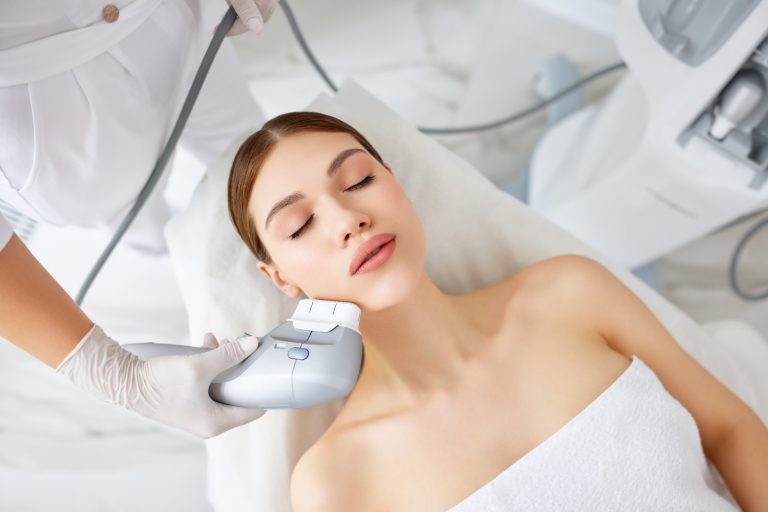
Non-invasive cosmetic treatments have become a preferred choice for individuals seeking skin rejuvenation without surgery, downtime, or significant discomfort. As aesthetic technology continues to advance, more people are exploring procedures that offer visible anti-aging results with minimal recovery. Among these modern treatments, HIFU Treatment in Riyadh has gained strong popularity for its ability to tighten and lift the skin using focused ultrasound energy. High-Intensity Focused Ultrasound (HIFU) works by targeting deeper layers of the skin to stimulate collagen production, which gradually improves firmness, elasticity, and overall texture. While the results are widely appreciated, one of the most common concerns among first-time patients is what the treatment actually feels like on the skin. Understanding the sensations involved can help reduce anxiety and set realistic expectations before undergoing the procedure.
How HIFU Works Beneath the Skin:
HIFU uses focused ultrasound energy to reach the deeper structural layers of the skin without damaging the surface. This energy creates controlled heat points in the dermis and SMAS layer, which triggers the body’s natural healing response and encourages collagen regeneration. Unlike topical treatments that work on the surface, HIFU works internally to rebuild skin support from within.
Key mechanisms of HIFU include:
- Delivery of ultrasound energy into deep skin layers
- Creation of thermal points for collagen stimulation
- Activation of natural healing and repair processes
- Gradual tightening of loose or sagging skin
- Non-invasive treatment with no surface damage
Because the energy is delivered beneath the skin, the sensations experienced during the procedure are unique compared to other cosmetic treatments.
What HIFU Feels Like During the Procedure:
Most patients describe the sensation of HIFU as unusual but tolerable rather than painful. The feeling depends on individual sensitivity, treatment area, and energy intensity. Since the ultrasound energy penetrates deeper layers, patients may experience brief and intermittent sensations rather than continuous discomfort.
Common sensations during treatment include:
- Warm pulses beneath the skin
- Mild tingling or vibrating sensations
- Short bursts of heat in targeted areas
- Slight prickling or zapping feelings
- Temporary pressure in deeper facial layers
The intensity of these sensations is usually brief and occurs only while the device is actively delivering energy to specific points.
Areas Where Sensation Feels Stronger:
The level of sensation during HIFU can vary depending on the area being treated. Certain parts of the face and neck are more sensitive due to thinner skin or closer proximity to bone structures. While the discomfort is still manageable, some regions may feel stronger than others.
More sensitive areas often include:
- Jawline and chin region
- Forehead and brow area
- Cheekbones and mid-face
- Neck and under-chin area
- Around the mouth and temples
Even in these areas, sensations are temporary and usually subside immediately after the ultrasound pulse is delivered.
Is HIFU Painful or Just Uncomfortable:
One of the biggest misconceptions about HIFU is that it is painful. In reality, most patients do not describe it as pain but rather as mild to moderate discomfort. The sensation is often compared to tiny electric pulses or warm pinches beneath the skin. Pain tolerance varies from person to person, but the majority of individuals find the treatment manageable without needing strong pain relief.
Factors influencing discomfort levels include:
- Individual pain threshold
- Treatment depth and intensity
- Skin sensitivity and thickness
- Area of the face being treated
- Anxiety or anticipation before the procedure
Overall, the discomfort is temporary and considered acceptable by most patients.
How Practitioners Improve Comfort During HIFU:
Modern HIFU treatments are designed with patient comfort in mind, and practitioners often use several techniques to minimize discomfort during the procedure. Adjusting energy levels and using supportive measures can significantly improve the experience.
Common comfort-enhancing methods include:
- Application of numbing cream before treatment
- Using lower energy settings for sensitive patients
- Taking short breaks during the session
- Adjusting device depth and intensity
- Providing continuous patient communication and reassurance
These methods help ensure the procedure remains as comfortable as possible while still delivering effective results.
What Happens After the Sensation Fades:
Once the ultrasound energy is delivered to each section of the skin, the sensations quickly fade. Most patients experience immediate relief once the device is moved to a different area. After the session, mild redness or tightness may be noticeable, but these effects are temporary and not painful.
Post-treatment sensations may include:
- Slight tightness in treated areas
- Mild warmth beneath the skin
- Temporary redness or sensitivity
- Tingling that fades within hours
- No long-term discomfort or pain
Because the skin surface remains intact, recovery is generally smooth and uncomplicated.
Why Sensation Is a Sign of Effectiveness:
Interestingly, the sensations experienced during HIFU are actually a sign that the treatment is working. The tingling, warmth, and mild discomfort indicate that ultrasound energy is reaching the deeper layers of the skin where collagen production is stimulated. Without these internal effects, the treatment would not achieve its tightening results.
Positive indicators during treatment include:
- Feeling of heat in targeted zones
- Controlled tingling sensations
- Temporary pressure beneath the skin
- Sensitivity in deeper tissue layers
- Short bursts of energy delivery
These sensations confirm that the skin’s internal structure is being activated for regeneration.
How Long Discomfort Lasts After HIFU:
After the procedure is complete, any discomfort typically fades quickly. Most individuals return to their normal routine immediately without needing downtime. Mild tenderness or sensitivity may persist for a short period but usually resolves within hours or a couple of days.
Typical recovery sensations include:
- Mild redness lasting a few hours
- Slight tenderness in treated areas
- Temporary tight feeling in the skin
- Occasional tingling or sensitivity
- No lasting pain or discomfort
The quick recovery is one of the reasons HIFU is preferred over more invasive procedures.
Why HIFU Remains a Popular Non-Invasive Option:
Despite the mild sensations during treatment, HIFU continues to be a highly popular choice for individuals seeking skin tightening without surgery. The balance between effectiveness, safety, and manageable discomfort makes it an appealing option. The rising demand for HIFU Treatment in Riyadh reflects a growing interest in modern aesthetic solutions that deliver results with minimal disruption to daily life.
Key reasons for its popularity include:
- Non-surgical skin lifting and tightening
- Minimal downtime and recovery
- Gradual and natural-looking results
- Safe procedure for most skin types
- Long-lasting collagen stimulation benefits
As technology continues to improve, HIFU treatments are becoming even more comfortable and efficient.
Final Thoughts:
HIFU is generally experienced as a tolerable and temporary sensation rather than true pain, with most patients describing warmth, tingling, or mild zapping during the procedure. These sensations are short-lived and indicate that the treatment is effectively stimulating deeper layers of the skin for collagen production. While individual sensitivity may vary, the discomfort is usually manageable and outweighed by the long-term skin tightening benefits. As interest in HIFU Treatment in Riyadh continues to grow, more individuals are discovering that the procedure offers a safe, non-invasive, and relatively comfortable path to youthful and firmer skin.