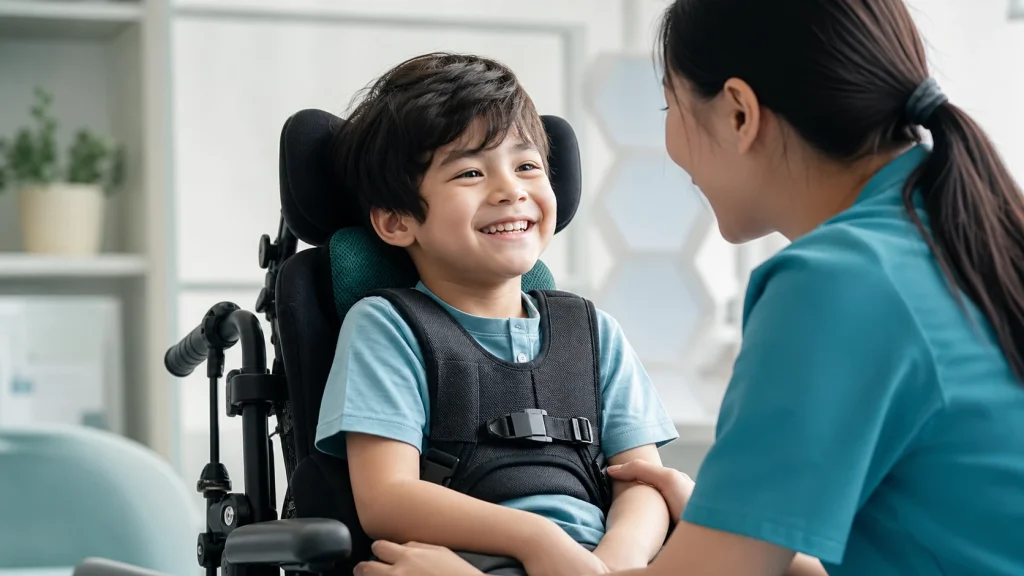
Cerebral palsy can affect movement, muscle tone, posture, balance, and coordination, making mobility support an important part of long-term care for many individuals. For families exploring Cerebral Palsy Treatment In Dubai, understanding what to expect from treatment and mobility services can make planning care easier. Treatment is individualized because cerebral palsy affects each person differently. A Doctor at Home service may provide convenient medical assessment for individuals who have difficulty traveling, while rehabilitation professionals can focus on mobility, functional skills, and independence through structured therapy and assistive support.
Understanding Mobility Challenges in Cerebral Palsy:
Mobility challenges associated with cerebral palsy can vary significantly. Some individuals walk independently but experience balance or coordination difficulties, while others may require walking aids, wheelchairs, or assistance with transfers. Muscle stiffness, weakness, involuntary movements, limited flexibility, and changes in posture can all affect movement. A healthcare professional assesses the individual’s physical abilities and identifies specific mobility needs before recommending treatment or equipment. The aim is to support safe and functional movement rather than expecting every person to achieve the same mobility outcome.
What a Mobility Assessment Involves:
A mobility assessment helps the healthcare team understand how a person moves in different situations. A physiotherapist may evaluate strength, flexibility, muscle tone, balance, posture, walking patterns, transfers, and endurance. The assessment may also consider how the individual moves around the home, school, workplace, or community. Depending on the person’s needs, additional specialist evaluations may be recommended. The findings help the team establish practical goals and determine whether therapy, mobility equipment, orthotic devices, or other interventions may be appropriate.
The Role of Physiotherapy:
Physiotherapy is commonly included in cerebral palsy rehabilitation when movement difficulties affect daily activities. A physiotherapist can develop a personalized program that may include stretching, strengthening, balance exercises, posture training, gait practice, and functional movement activities. Therapy goals depend on the individual’s abilities and may involve maintaining mobility rather than achieving a new movement skill. For children, therapy can support developmental motor skills, while adults may focus on maintaining function, managing stiffness, and improving participation in daily activities.
Walking Support and Gait Training:
Walking ability varies among people with cerebral palsy, and gait training may be recommended when walking is an appropriate functional goal. Therapy may focus on balance, strength, posture, endurance, and movement patterns. A physiotherapist may observe how a person walks and identify strategies to make movement safer or more efficient. Walking practice can take place with or without assistive equipment depending on the individual’s abilities. Therapy should be adapted to prevent excessive fatigue and ensure that walking remains practical and meaningful for the person.
Common Mobility Aids:
Mobility aids can provide additional stability, support, or independence when walking or standing is difficult. The appropriate equipment depends on the individual’s physical abilities, environment, and functional goals. Possible options include:
- Canes or walking sticks
- Walking frames
- Rollators
- Orthotic devices
- Specialized seating systems
- Standing equipment
- Manual wheelchairs
- Powered wheelchairs
A healthcare professional or rehabilitation specialist should assess equipment needs and ensure that devices are appropriately fitted. Children may require more frequent adjustments as they grow.
Wheelchairs and Seating Support:
Wheelchairs can provide functional mobility for individuals who cannot walk safely or efficiently for longer distances. Using a wheelchair does not necessarily mean that a person cannot walk; some individuals may walk short distances and use a wheelchair for community mobility or longer activities. Specialized seating can also provide postural support and improve comfort. Equipment selection should consider the person’s posture, upper-body control, ability to operate the device, home environment, school or workplace requirements, and transportation needs.
Orthotic Devices and Positioning:
Orthotic devices may help support alignment, stability, and functional movement in selected individuals. Depending on the person’s needs, braces may be recommended for the feet, ankles, or legs. Positioning strategies can also support comfort and participation during sitting, standing, or other activities. Orthoses should be professionally assessed and fitted because an unsuitable device can cause discomfort or interfere with movement. Regular reassessment is particularly important for growing children and for individuals whose mobility changes over time.
Managing Muscle Stiffness and Spasticity:
Some people with cerebral palsy experience spasticity or increased muscle tone that can interfere with mobility and positioning. Management may involve physiotherapy, stretching, orthotic support, medications, or targeted medical treatments in selected cases. Treatment decisions depend on the severity and functional impact of symptoms. Physiotherapy can work alongside medical management to help individuals practice functional movements and maintain available range of motion. Any significant changes in stiffness, pain, walking ability, or comfort should be discussed with the treating healthcare team.
Supporting Transfers and Everyday Movement:
Mobility involves more than walking. Many individuals need support with transfers between beds, chairs, toilets, vehicles, and other surfaces. Occupational and physical therapists can teach safe transfer techniques and recommend equipment when appropriate. Practical mobility goals may include:
- Moving safely from sitting to standing
- Transferring between a wheelchair and bed
- Getting into and out of a vehicle
- Moving around the home
- Accessing bathrooms safely
- Reaching frequently used items
- Participating in school or workplace activities
These skills can contribute significantly to independence even when independent walking is not possible.
Mobility Support for Children:
Children with cerebral palsy may require mobility support that changes as they grow and develop. Physiotherapy can help children practice age-appropriate movement skills, while occupational therapy can address daily activities and participation. Some children may use walkers, orthoses, specialized seating, or wheelchairs at different stages. Parents should understand that using mobility equipment does not necessarily prevent a child from developing other movement skills. Instead, appropriately selected equipment can provide safe opportunities to explore the environment and participate in activities.
Mobility Support for Adults:
Adults with cerebral palsy may need ongoing mobility assessment as physical needs change. Factors such as pain, stiffness, fatigue, reduced endurance, joint problems, or changes in activity levels can affect mobility. Rehabilitation can focus on maintaining independence, improving safety, managing symptoms, and adapting activities. Adults may also require equipment updates or environmental modifications for work, household activities, transportation, and community participation. Regular professional review can help identify changes before they significantly interfere with daily life.
The Importance of Home Exercises:
A physiotherapist may provide a customized home exercise program to support skills practiced during therapy sessions. Depending on individual needs, exercises may involve stretching, strengthening, balance, positioning, or functional movement. Consistency is important, but exercises should not cause significant pain or excessive fatigue. Patients and caregivers should follow professional instructions and communicate concerns to the therapy team. Home exercises should be adapted only when recommended by a qualified professional.
Home Modifications for Better Mobility:
Changes to the home environment can make everyday movement safer and more accessible. Depending on individual requirements, modifications may include improved bathroom access, grab rails, ramps, appropriate seating, accessible pathways, or rearranging frequently used items. Occupational therapists can assess the home and recommend practical changes based on the person’s mobility and daily routines. The objective is to reduce unnecessary barriers while allowing the individual to participate in as many activities as possible.
The Role of Family and Caregivers:
Family members and caregivers often provide essential support with mobility routines, equipment, appointments, and daily activities. They can encourage safe movement and help individuals follow therapist-recommended strategies. Caregivers should understand how mobility equipment works and know when professional advice is needed. Useful responsibilities may include:
- Supporting prescribed exercises
- Helping with safe transfers
- Checking mobility equipment
- Encouraging appropriate activity
- Monitoring changes in walking or balance
- Reporting falls or new pain
- Attending rehabilitation appointments
The level of assistance should be based on the individual’s abilities rather than providing more help than necessary.
Combining Mobility Support With Other Treatments:
Mobility care is often part of a multidisciplinary treatment plan. Physiotherapists may focus on movement and mobility, while occupational therapists address daily activities and environmental adaptations. Orthopedic specialists may evaluate musculoskeletal concerns, and medical professionals may manage spasticity, pain, seizures, or other associated conditions. Speech and language therapists can address communication or swallowing concerns when necessary. Coordinated care helps ensure that different treatment approaches support shared functional goals.
Home-Based Medical Support:
For individuals with significant mobility limitations, traveling to a healthcare facility may be difficult. Home-based medical services can provide appropriate assessment and follow-up when clinically suitable. Doctor at Home can complement a broader treatment plan by making certain medical consultations more accessible. However, home-based medical care should not replace specialist rehabilitation, mobility assessments, or urgent medical attention when these are required.
Setting Realistic Mobility Goals:
Mobility goals should reflect the individual’s abilities, environment, and priorities. For one person, the goal may be walking independently across a room, while another person may focus on safe wheelchair mobility or independent transfers. Common goals may include:
- Improving balance
- Increasing walking endurance
- Maintaining joint flexibility
- Improving transfer skills
- Supporting wheelchair independence
- Reducing mobility-related safety risks
- Increasing participation in daily activities
Goals should be reviewed regularly because physical abilities and priorities can change.
Final Thoughts:
Cerebral palsy treatment and mobility support can involve physiotherapy, occupational therapy, assistive devices, orthotic equipment, home modifications, medical management, and ongoing assessment. The appropriate combination depends on the individual’s physical abilities, age, symptoms, environment, and personal goals. Families considering Cerebral Palsy Treatment In Dubai should work with qualified healthcare and rehabilitation professionals to develop an individualized mobility plan. With appropriate therapy, suitable equipment, caregiver support, and regular reassessment, people with cerebral palsy can work toward safer movement, greater independence, and meaningful participation in everyday activities.