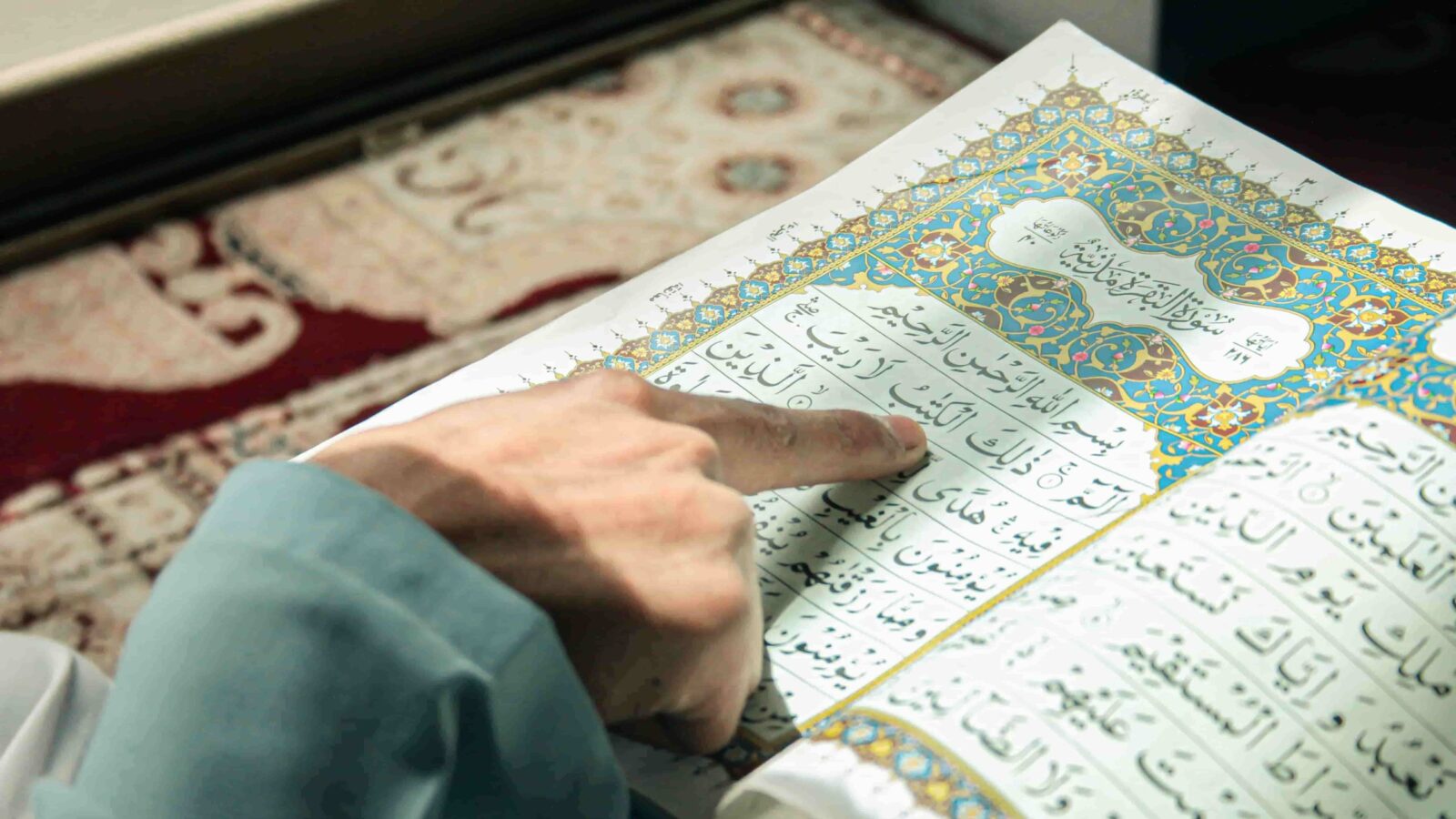
Learning to read Quran correctly is a foundational step in understanding the divine message of Islam. Proper reading involves accurate pronunciation, recognition of Arabic letters, and understanding essential reading rules known as Tajweed. Mastery of these basics helps build a strong connection with the sacred text and ensures respectful recitation. A structured approach allows beginners to progress steadily from simple letters to complete verses. Consistent practice and guidance play an important role in developing fluency. This article explains the essential fundamentals required to Learn to Read Quran in a clear and structured manner for beginners and learners everywhere around world
Basics to Learn to Read Quran Correctly
Arabic Alphabet Understanding
Arabic alphabet forms the foundation of reading. Quranic Arabic consists of 28 letters, each with a unique shape and sound. Recognition of these letters in different positions (beginning, middle, and end of words) is essential. Proper identification helps in forming correct words and improves reading accuracy. Without mastering letters, reading fluency cannot develop effectively. Learning the alphabet also builds confidence in recognizing Quranic text smoothly and accurately.
Tajweed Rules for Correct Pronunciation
Tajweed refers to rules that guide correct pronunciation during recitation. These rules ensure every letter is pronounced from its correct articulation point. Proper application prevents distortion of meaning and preserves the beauty of recitation. Key elements include elongation, nasal sounds, and clarity of letters. Understanding Tajweed gradually improves reading quality and helps maintain accuracy in every verse. Consistent practice strengthens control over pronunciation and rhythm.
Short Vowels and Diacritical Marks
Short vowels, known as Harakat, play a crucial role in pronunciation. These marks include Fatha, Kasra, and Damma, which determine how letters are sounded. Additional symbols such as Sukun and Shadda modify pronunciation further. Without these marks, reading becomes difficult and unclear. Mastery of these symbols allows correct recitation of words and prevents common mistakes. Regular exposure to these signs builds reading fluency over time.
Joining Letters to Form Words
Arabic letters change shape when joined together. Understanding how letters connect is important for reading fluently. Each word in the Quran is formed by combining letters with specific rules. Recognition of these patterns improves reading speed and accuracy. Practice in connecting letters helps develop natural reading flow. Gradual learning of word formation builds strong reading skills.
Regular Practice and Consistency
Consistent practice is essential for improving Quran reading skills. Repetition of letters, words, and verses strengthens memory and pronunciation. Daily reading habits enhance fluency and confidence. Listening to correct recitation also supports learning. Structured practice sessions help in identifying and correcting mistakes. Continuous effort leads to steady improvement over time.
Common Mistakes in Quran Reading
Many beginners face similar challenges while learning. Incorrect pronunciation of Arabic letters is one of the most common issues. Ignoring Tajweed rules can change meanings of words. Skipping vowel marks leads to confusion in reading. Lack of regular practice slows down progress. Addressing these mistakes early improves reading accuracy and builds a strong foundation for further learning.
Effective Methods to Learn to Read Quran
A step-by-step approach works best for beginners. Starting with Arabic alphabet recognition creates a strong base. Moving gradually toward short words and verses improves understanding. Listening to expert recitation helps develop correct pronunciation. Repetition and revision reinforce learning. Structured guidance supports steady improvement. Combining visual learning with auditory practice enhances retention and fluency in reading.
Importance of Ilm Al Quran and Value of Knowledge of Quran
Ilm Al Quran holds deep significance in understanding the divine message revealed for guidance of humanity. Knowledge of Quranic teachings helps in developing moral character, clarity of thought, and spiritual awareness. Learning correct recitation strengthens connection with sacred text and improves understanding of its meanings. Proper study of Ilm Al Quran also preserves authenticity of pronunciation and interpretation. Continuous learning brings discipline, peace, and wisdom into life. Engagement with Quranic knowledge builds a strong foundation for ethical living and spiritual growth, making it an essential part of education for every learner seeking truth and guidance.