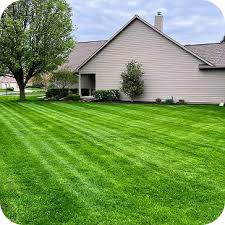
Fort Saskatchewan, located just northeast of Edmonton, Alberta, is known for its rich history, vibrant community, and beautiful residential neighborhoods. With its unique prairie climate, maintaining a healthy, lush lawn here requires a combination of local knowledge, seasonal awareness, and proper lawn care techniques. Whether you’re a new homeowner or a seasoned green thumb, this guide will provide you with practical advice for keeping your lawn in Fort Saskatchewan looking its best year-round.
Understanding Fort Saskatchewan’s Climate and Its Impact on Lawns
Before diving into lawn care routines, it’s essential to understand the local climate. Lawn care Fort Saskatchewan experiences a continental climate, which means cold winters and warm summers, along with moderate precipitation throughout the year. These conditions significantly affect the types of grasses that thrive, watering schedules, and maintenance practices.
- Winter: Temperatures often drop below freezing, and snow cover is common. Grass enters dormancy, so lawn activity slows, and protective measures against frost and ice damage become necessary.
- Spring: Thawing temperatures and spring rains provide an opportunity for grass to recover from winter stress. This is the best time for lawn repair, fertilization, and overseeding.
- Summer: Hot, dry spells can stress the lawn. Regular watering, mowing, and pest control are crucial during this period.
- Fall: Cooler temperatures and occasional early frosts mean preparing your lawn for winter by aerating, fertilizing, and removing debris.
Choosing the Right Grass for Fort Saskatchewan
Selecting the right grass type is foundational to lawn success. Fort Saskatchewan homeowners generally benefit from cool-season grasses, which thrive in northern climates and tolerate cold winters. Common choices include:
- Kentucky Bluegrass: Known for its dense growth and rich green color, it’s ideal for Fort Saskatchewan lawns but requires regular watering and fertilization.
- Perennial Ryegrass: Fast-growing and hardy, it’s perfect for overseeding and repairing bare spots.
- Fescue Varieties: Tall fescue and fine fescue tolerate drought and shade better than other grasses, making them versatile for various yard conditions.
Choosing a grass type suited to your lawn’s sun exposure, soil type, and traffic level is crucial for long-term success.
Soil Preparation: The Foundation of a Healthy Lawn
Healthy grass starts with healthy soil. Conducting a soil test every few years is recommended in Fort Saskatchewan, as it helps identify nutrient deficiencies and pH imbalances. Most lawns thrive in slightly acidic to neutral soil (pH 6.0–7.0).
Steps for soil preparation:
- Aeration: This involves perforating the soil to allow air, water, and nutrients to penetrate the grassroots. Aeration is particularly beneficial in clay-heavy soils common in the area.
- Topdressing: Applying a thin layer of compost or quality topsoil can improve soil structure and fertility.
- Fertilization: Choose fertilizers appropriate for your grass type. A balanced fertilizer with nitrogen, phosphorus, and potassium ensures robust growth.
Seasonal Lawn Care Tips
Spring
- Rake and Clean: Remove leaves, twigs, and debris that accumulated over winter.
- Overseeding: Repair bare patches and thicken the lawn.
- Fertilization: Apply a slow-release fertilizer to support new growth.
- Mowing: Begin mowing once grass reaches 7–8 cm, cutting only the top third of the blades.
Summer
- Watering: Lawns generally need 2.5–3 cm of water per week. Early morning watering reduces evaporation and fungal risk.
- Mowing: Maintain a height of 6–8 cm for cool-season grasses to shade the soil and retain moisture.
- Weed and Pest Control: Watch for crabgrass, dandelions, and grubs. Organic or chemical treatments can help manage these issues.
Fall
- Aeration and Overseeding: Fall is ideal for repairing lawns because cooler temperatures reduce stress.
- Fertilization: Apply a high-potassium fertilizer to strengthen roots for winter.
- Leaf Management: Regularly remove fallen leaves to prevent smothering and fungal growth.
Winter
- Minimize Traffic: Avoid walking on frozen grass to prevent damage.
- Snow Management: Use snow blowers or shovels carefully, and avoid piling snow on grass areas repeatedly.
Eco-Friendly Lawn Practices
Sustainability is becoming increasingly important for Fort Saskatchewan residents. Eco-friendly lawn care practices not only reduce environmental impact but also improve lawn health. Consider:
- Composting: Use grass clippings as mulch to return nutrients to the soil.
- Rainwater Harvesting: Collect rainwater for irrigation to reduce dependence on municipal water.
- Native Plants: Incorporate native grasses and wildflowers into your yard to reduce maintenance and attract pollinators.
- Integrated Pest Management: Focus on preventive measures rather than chemical treatments.
Hiring Professional Lawn Care Services
For homeowners who prefer convenience or want expert results, hiring a professional lawn care service in Fort Saskatchewan is a viable option. Professional services can offer:
- Seasonal fertilization plans tailored to local conditions.
- Aeration, overseeding, and pest control using industry-standard techniques.
- Snow and ice management during winter months.
When selecting a service, look for certified professionals with local experience, transparent pricing, and good customer reviews.
Common Lawn Problems in Fort Saskatchewan
Fort Saskatchewan lawns can face specific challenges due to the local climate and soil conditions:
- Drought Stress: Extended dry periods in summer can cause brown patches. Regular watering and drought-resistant grass types help.
- Thatch Build-Up: Excess organic matter can prevent water and nutrients from reaching the roots. Aeration and dethatching are essential.
- Pest Infestations: Grubs and other insects can damage turf. Early detection and treatment prevent extensive damage.
- Snow Mold: A fungal issue that appears in spring after snow melts. Proper fall preparation reduces risk.
Conclusion
Maintaining a lush, healthy lawn in Fort Saskatchewan requires understanding the local climate, selecting the right grass, and adopting a year-round maintenance strategy. With the right combination of soil care, watering, mowing, fertilization, and eco-friendly practices, your lawn can thrive and become a source of pride. Whether you choose to manage your lawn yourself or hire professionals, consistent attention and seasonal adjustments are key to achieving a beautiful, green yard that complements your Fort Saskatchewan home.
With patience, the right tools, and a little local knowledge, even the cold Alberta winters won’t stop you from enjoying a vibrant, resilient lawn. Start planning today, and your lawn will reward you with a verdant, healthy landscape for years to come.