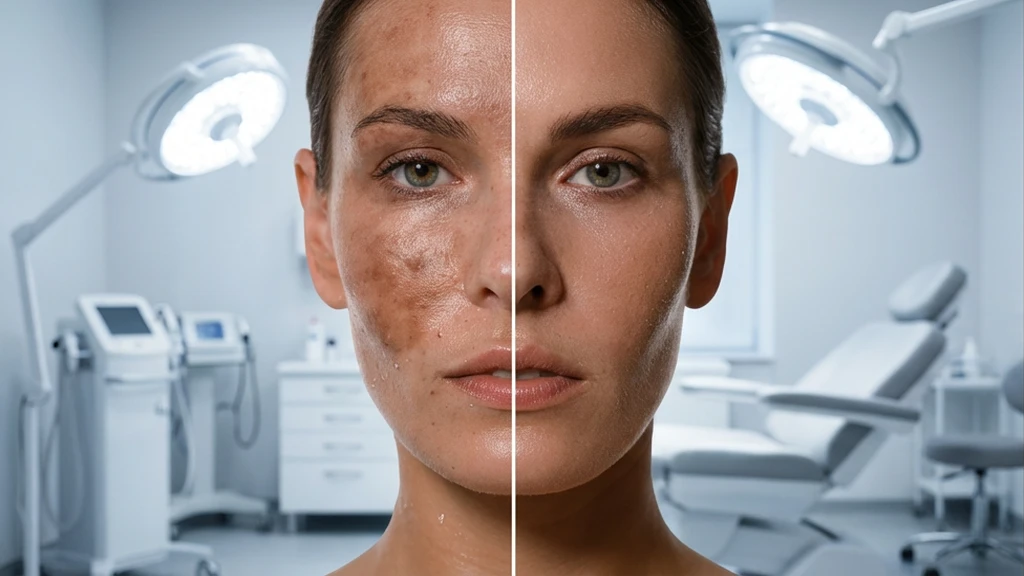
Sun damage is one of the biggest reasons behind premature aging, pigmentation, and uneven skin tone. Many people notice dark spots, tanning, and dullness on their skin without realizing that daily UV exposure is often the main cause. Even short periods in the sun can gradually affect skin texture and appearance over time.
Understanding how sun damage affects the skin can help you protect your complexion and maintain healthier, brighter-looking skin naturally. With proper skincare habits and prevention, it is possible to reduce pigmentation and support long-term skin health safely.
What Is Sun Damage?
Sun damage occurs when ultraviolet (UV) rays penetrate the skin and harm healthy skin cells. Over time, repeated exposure weakens collagen, increases melanin production, and accelerates signs of aging.
Common signs of sun damage include:
- Tanning
- Dark spots
- Uneven skin tone
- Fine lines
- Rough texture
- Dryness
- Hyperpigmentation
People who spend long hours outdoors without sunscreen are more likely to develop visible skin damage earlier.
Why Pigmentation Happens
Pigmentation develops when the skin produces excess melanin in certain areas. Melanin is the natural pigment responsible for skin color, but factors like sun exposure, inflammation, and hormones can trigger uneven melanin production.
This may lead to:
- Brown patches
- Acne marks
- Sunspots
- Melasma
- Post-inflammatory pigmentation
Pigmentation can appear on the face, neck, hands, shoulders, and other sun-exposed areas.
Types of Dark Spots
Sunspots
Also called age spots or solar lentigines, these dark patches develop after years of UV exposure. They commonly appear on the cheeks, forehead, and hands.
Post-Acne Marks
Acne inflammation often leaves behind dark spots after pimples heal. Picking or squeezing acne can worsen discoloration.
Melasma
Melasma usually appears as large brown patches on the cheeks and forehead. Hormonal changes and sun exposure are major triggers.
How UV Rays Affect the Skin
UV rays damage collagen and elastin, which are important for smooth and healthy skin. Long-term exposure may cause:
- Premature wrinkles
- Loss of elasticity
- Dryness
- Skin sensitivity
- Uneven texture
The skin tries to protect itself by producing more melanin, which increases tanning and pigmentation.
Importance of Sunscreen
Daily sunscreen use is one of the most effective ways to prevent sun damage and dark spots. Sunscreen protects the skin from harmful UV rays and reduces further pigmentation.
Choose:
- SPF 30 or higher
- Broad-spectrum protection
- Lightweight non-comedogenic formulas
Apply sunscreen every morning and reapply during prolonged sun exposure.
Ingredients That Help Reduce Pigmentation
Several skincare ingredients may help improve uneven tone and dark spots gradually.
Commonly used ingredients include:
- Vitamin C
- Niacinamide
- Azelaic acid
- Retinol
- Alpha arbutin
- Licorice extract
These ingredients support skin renewal and help improve overall brightness over time.
Gentle Exfoliation for Brighter Skin
Dead skin buildup can make pigmentation appear more noticeable. Gentle exfoliation removes surface cells and helps improve skin texture.
Safe exfoliating ingredients include:
- Glycolic acid
- Lactic acid
- Mandelic acid
Avoid over-exfoliating because irritated skin may worsen pigmentation.
Roche Injection and Skincare Discussions
In beauty and skincare conversations, roche injection is sometimes mentioned among products associated with antioxidant support and cosmetic skincare trends. However, skincare professionals generally recommend focusing first on sun protection, balanced skincare routines, and healthy lifestyle habits to maintain long-term skin quality safely.
Healthy Habits That Protect the Skin
Daily habits strongly affect skin health and pigmentation levels.
Helpful habits include:
- Wearing sunscreen daily
- Staying hydrated
- Eating antioxidant-rich foods
- Sleeping properly
- Avoiding smoking
- Wearing protective clothing outdoors
Consistent protection is often more effective than aggressive treatments.
Whitening Injection in Pakistan and Beauty Trends
As interest in cosmetic skincare grows, whitening injection in Pakistan has become a widely searched topic among people looking for brighter skin solutions. While these treatments are commonly discussed online, many experts emphasize that maintaining healthy skin through sun protection, hydration, and proper skincare remains essential for long-term results and overall skin safety.
Can Pigmentation Be Prevented?
In many cases, yes. Preventing pigmentation is easier than treating it later. Daily sunscreen use, gentle skincare, and avoiding excessive sun exposure can significantly reduce the risk of dark spots and uneven skin tone.
Starting preventive care early helps preserve skin clarity and slows visible aging.
Final Thoughts
Sun damage, pigmentation, and dark spots are common skin concerns caused mainly by UV exposure, inflammation, and poor skincare habits. Protecting your skin daily with sunscreen, hydration, balanced nutrition, and gentle skincare can help maintain a clearer and healthier complexion.
Improving pigmentation takes time, but consistent care and prevention usually produce safer and longer-lasting results than harsh or aggressive treatments.