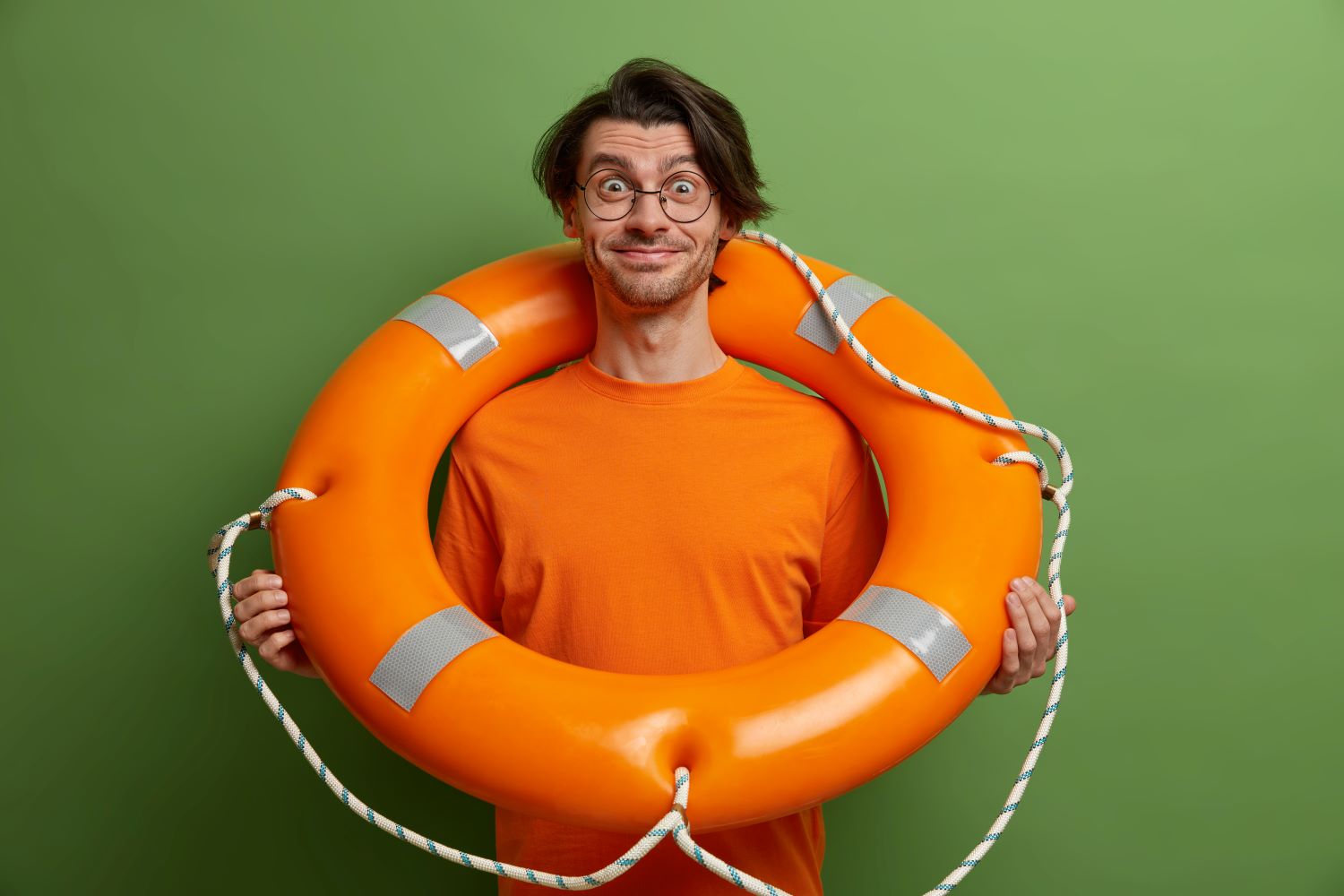
Water safety has become more important than ever as swimming pools, waterparks, beaches, and recreational facilities continue to attract millions of visitors every year. Behind every safe aquatic environment is a trained professional ready to prevent accidents and respond during emergencies — the lifeguard.
If you have searched for phrases like “lifeguard class near me,” “how to become a certified lifeguard,” or “best lifeguard class,” you are likely considering a career or seasonal job in aquatic safety. A professional lifeguard class provides the knowledge, physical training, and emergency response skills needed to protect lives in and around the water.
Unlike ordinary classroom education, lifeguard training combines practical rescue techniques, CPR certification, teamwork exercises, and real-life emergency scenarios. The result is a highly skilled individual capable of handling stressful situations calmly and effectively.
This article explains what happens in a lifeguard class, the skills you will learn, certification options, career benefits, and how to choose the right training provider for long-term success.
Why Taking a Lifeguard Class Is Important
A lifeguard’s role goes far beyond supervising swimmers. Lifeguards are responsible for maintaining order, recognizing hazards, preventing accidents, and responding immediately when emergencies occur.
Without trained lifeguards, aquatic environments can quickly become dangerous. Drowning incidents often happen silently and within seconds, which is why professional training is essential.
A certified lifeguard class prepares students to:
- Identify distressed swimmers
- Perform safe water rescues
- Administer CPR and first aid
- Prevent accidents before they happen
- Communicate during emergencies
- Work effectively as part of a rescue team
Leading organizations such as the American Red Cross, American Lifeguard Association, and United States Lifesaving Association have established rigorous standards to ensure lifeguards are properly trained and prepared for real-world situations.
What Happens During a Lifeguard Class?
Many first-time students wonder what to expect during training. A professional lifeguard class usually combines classroom instruction with intensive hands-on practice.
Classroom Learning
Students learn the theoretical side of aquatic safety, including:
- Water safety principles
- Emergency action plans
- Rescue protocols
- Injury prevention
- Risk management
- Legal responsibilities of lifeguards
This portion helps trainees understand why specific rescue methods and safety procedures are necessary.
Water-Based Practical Training
The most important part of any lifeguard class is practical skill development. Students spend significant time in the water practicing rescue scenarios and emergency response techniques.
Training exercises often include:
- Victim recognition drills
- Timed rescue scenarios
- Deep-water retrievals
- Spinal injury management
- Team-based emergency response
Hands-on repetition builds confidence and muscle memory, which are essential during real emergencies.
Essential Skills Taught in a Lifeguard Class
A lifeguard class focuses on developing a wide range of physical, technical, and communication skills.
Water Rescue Techniques
Water rescue skills form the foundation of lifeguard training.
Reaching Assists
These techniques help lifeguards rescue swimmers without entering the water. Trainees learn how to use rescue equipment such as poles, rescue tubes, and reaching devices safely.
Throwing Assists
Students practice throwing flotation equipment accurately to distressed swimmers. This method is especially useful when direct contact may increase danger.
Active Victim Rescues
An active victim is conscious and struggling in the water. Lifeguards must approach carefully to avoid being grabbed or pulled underwater.
Training focuses on:
- Safe approaches
- Proper rescue positioning
- Victim support
- Controlled extractions
Passive Victim Rescues
Passive victims are unconscious or unable to assist themselves. Lifeguards must react quickly and efficiently.
Students practice:
- Surface dives
- Deep-water recoveries
- Rapid extractions
- Emergency care after rescue
Spinal Injury Rescues
Neck and spinal injuries require special handling techniques to prevent further harm. Lifeguard classes teach stabilization and backboarding methods used in aquatic emergencies.
CPR and First Aid Training
One of the most valuable parts of lifeguard certification is medical emergency training.
CPR for Different Age Groups
Students learn CPR procedures for:
- Adults
- Children
- Infants
Each age group requires different compression depths, breathing methods, and response strategies.
During class, trainees repeatedly practice:
- Chest compressions
- Rescue breaths
- Airway management
- Two-person CPR coordination
AED Certification
An Automated External Defibrillator (AED) is used during cardiac emergencies. Lifeguards learn:
- When an AED is necessary
- Proper pad placement
- Safety procedures
- Team communication during resuscitation
Fast CPR and AED response can dramatically improve survival rates.
First Aid Skills
Lifeguard classes also teach treatment for:
- Cuts and bruises
- Sprains and fractures
- Heat exhaustion
- Heat stroke
- Hypothermia
- Dehydration
Students learn wound cleaning, bandaging, and emergency assessment procedures that are useful both professionally and personally.
Surveillance and Prevention Techniques
The best lifeguards prevent emergencies before they happen.
Scanning the Water Effectively
Lifeguards are trained to continuously scan their assigned zones while watching for:
- Weak swimmers
- Signs of fatigue
- Dangerous behavior
- Potential drowning indicators
A professional lifeguard class teaches students how to maintain focus for extended periods without becoming distracted.
Risk Management
Students learn how to identify hazards such as:
- Slippery pool decks
- Unsafe diving areas
- Overcrowded swimming zones
- Severe weather conditions
Prevention strategies are essential because avoiding emergencies is always better than reacting to them.
Rule Enforcement
Lifeguards must communicate rules clearly and professionally. Effective rule enforcement helps reduce injuries and maintain safe aquatic environments.
Communication and Teamwork Skills
Lifeguarding is a team-oriented profession that depends heavily on communication.
Whistle Signals and Hand Communication
Students learn standardized signals used to:
- Alert teammates
- Activate emergency action plans
- Clear pools during emergencies
- Coordinate rescue efforts
Quick communication improves response times and reduces confusion.
Team Rescue Drills
Many lifeguard classes include group rescue scenarios where students practice:
- Coordinated rescues
- CPR rotations
- Backboarding procedures
- Emergency victim care
These drills prepare lifeguards for high-pressure situations where teamwork is critical.
Interacting With the Public
Professional communication is also important when:
- Assisting guests
- Explaining safety rules
- Managing stressful situations
- Speaking with emergency responders
Strong interpersonal skills help lifeguards maintain calm and authority during emergencies.
Types of Lifeguard Certifications
Different aquatic environments require specialized training.
Pool Lifeguard Certification
Pool lifeguards work at:
- Community pools
- Hotels
- Fitness centers
- Waterparks
Training focuses on controlled aquatic environments and rapid emergency response.
Waterfront Lifeguard Certification
Waterfront lifeguards supervise natural water environments such as:
- Lakes
- Rivers
- Summer camps
Additional training includes handling visibility challenges and unpredictable conditions.
Surf Lifeguard Certification
Surf lifeguards work in ocean environments and require advanced physical conditioning.
Training may include:
- Rip current rescues
- Rescue board operation
- Surf swimming
- Ocean surveillance
This certification is physically demanding but highly respected.
Physical and Mental Demands of a Lifeguard Class
Many students underestimate how physically challenging a lifeguard class can be.
Typical prerequisites include:
- Swimming long distances
- Treading water
- Retrieving objects from deep water
- Completing timed endurance tests
Mental focus is equally important. Lifeguards must remain alert for long periods and react quickly during stressful situations.
Instructors often simulate realistic emergencies to test decision-making and confidence under pressure.
Benefits of Becoming a Certified Lifeguard
Taking a lifeguard class can open the door to rewarding personal and professional opportunities.
Strong Employment Opportunities
Certified lifeguards are needed at:
- Pools
- Beaches
- Resorts
- Cruise ships
- Waterparks
- Recreational facilities
Searches for “pool lifeguard jobs” and “summer lifeguard positions” continue to rise every year.
Leadership and Responsibility
Lifeguards develop important life skills such as:
- Leadership
- Responsibility
- Communication
- Critical thinking
- Team coordination
These skills benefit students in future careers and educational settings.
Flexible Work Schedules
Many lifeguard jobs offer:
- Part-time schedules
- Seasonal employment
- Weekend shifts
- Student-friendly hours
This flexibility makes lifeguarding ideal for high school and college students.
Saving Lives and Helping Others
Perhaps the greatest reward is the ability to protect people and make a real difference in the community.
How to Choose the Best Lifeguard Class
Not every training provider offers the same level of quality.
When comparing programs, consider:
- Accreditation
- Instructor experience
- Course curriculum
- Training facility quality
- Hands-on practice opportunities
A reputable provider should follow recognized standards established by organizations like the American Red Cross and United States Lifesaving Association.
Reading reviews and researching instructor credentials can help students choose the best lifeguard class for their goals.
Maintaining Your Lifeguard Certification
Lifeguard certifications must be renewed regularly to ensure skills remain current.
Lifeguard Recertification
Recertification courses help lifeguards:
- Refresh CPR skills
- Practice rescue techniques
- Learn updated safety procedures
- Maintain professional readiness
Ongoing practice is essential because emergency response skills can weaken without regular training.
Continuing Education
Experienced lifeguards often pursue advanced certifications in:
- Aquatic management
- Lifeguard instruction
- Emergency medical response
- Open-water rescue operations
These additional qualifications can lead to leadership positions and higher-paying opportunities.
Final Thoughts
A professional lifeguard class provides far more than basic swimming instruction. It teaches life-saving rescue skills, emergency response procedures, leadership abilities, and the confidence needed to handle real-world aquatic emergencies.
Whether you want a summer job, a long-term aquatic career, or valuable life-saving knowledge, becoming a certified lifeguard is a rewarding investment in your future.
By choosing a reputable training provider and committing to continuous practice, aspiring lifeguards can develop the expertise needed to protect lives and create safer aquatic environments for everyone.
Author Bio
Michael Carter is a certified Aquatic Safety Specialist and experienced lifeguard instructor with over 10 years of experience in aquatic emergency response and water safety education. He has trained lifeguards at pools, waterfront facilities, and aquatic centers while helping promote professional rescue standards and public water safety awareness.
- #AquaticSafety
- #BeachSafety
- #CPRCertification
- #EmergencyResponse
- #FirstAidTraining
- #HealthAndSafety
- #LifeguardCertification
- #LifeguardClass
- #LifeguardCourse
- #LifeguardLife
- #LifeguardTips
- #PoolSafety
- #RescueSkills
- #SafetyTraining
- #SwimInstructor
- #SwimmingClasses
- #SwimmingSafety
- #WaterRescue
- #WaterSafety
- Response 2 #LifeguardTraining