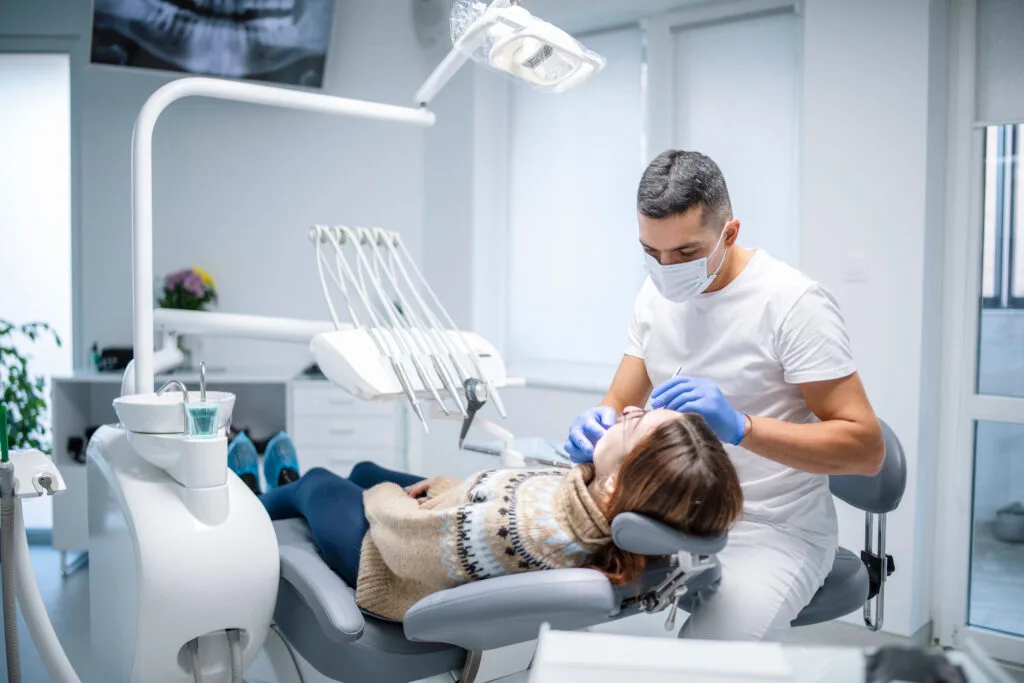
Booking a dental appointment seems simple on the surface. However, arriving prepared makes an enormous difference in your experience. Knowing what to expect reduces anxiety and improves the quality of care you receive. First-time patients at a new practice need specific information in advance. Established patients returning after a gap also benefit from preparation. This guide covers everything patients should know before their dental appointment.
Understanding the Different Types of Dental Appointments
Not all dental appointments serve the same purpose or involve the same procedures. Understanding which type of visit you need helps set proper expectations. A new patient examination is a comprehensive initial evaluation of your entire mouth. It includes X-rays, periodontal charting, and a full clinical examination. This visit establishes a baseline record of your oral health condition. It is more comprehensive and often longer than routine recall visits.
A recall appointment is for established patients who visit regularly. It typically includes a cleaning, examination, and updated X-rays as needed. These visits are usually scheduled every six months for most patients. Treatment appointments are separate from examination visits in most practices. Fillings, crowns, root canals, and extractions are scheduled as treatment appointments. Understanding which type of visit you are booking prevents scheduling misunderstandings.
Dental Emergencies: When to Call Immediately
Some situations require same-day or urgent dental attention. Severe toothache with swelling suggests a possible tooth abscess. A knocked-out permanent tooth is a genuine dental emergency. It requires reimplantation within one to two hours ideally. A broken tooth with sharp edges or exposed nerve is urgent. Uncontrolled bleeding from the mouth after an injury requires immediate care. Knowing these situations are emergencies prevents dangerous delays in seeking treatment.
Gathering Your Dental and Medical History in Advance
Your dental and medical history directly influences your dental care. Comprehensive health information helps your dentist provide safe and effective treatment. Prepare a complete list of all medications you currently take. This includes prescription drugs, over-the-counter medications, and supplements. Many medications affect dental treatment in important ways. Blood thinners, for example, affect bleeding risk during dental procedures significantly.
List all known allergies, especially those to medications or latex. Allergy to local anesthetics like lidocaine requires alternative anesthetic options. Latex allergy requires a latex-free treatment environment throughout your visit. Medical conditions affecting your dental care include diabetes, heart disease, and osteoporosis. Recent hospitalizations or surgeries should also be disclosed to your dentist. The more complete your health history, the safer your dental treatment will be.
Why Previous Dental Records Are Valuable
Requesting records from your previous dentist before switching providers is worthwhile. Past X-rays prevent unnecessary repeated radiation exposure. Previous treatment records inform the new dentist about existing restorations and conditions. Knowing what work has been done prevents redundant or conflicting treatment plans. Dental records including X-rays and clinical notes are your property legally. Your previous dentist is legally obligated to provide them upon request.
Understanding Your Insurance Coverage Before Your Visit
Insurance confusion is a common source of financial stress after dental visits. Understanding your coverage before your appointment prevents unpleasant billing surprises. Contact your insurance provider before booking to clarify your current coverage. Ask about your annual maximum, deductible, and coverage percentages for common procedures. Confirm whether your planned dental office is in-network with your provider. Out-of-network visits may result in significantly higher out-of-pocket expenses.
For Canadians using government dental benefits, specific preparation is needed. Confirming that your dental office participates in the relevant program is essential. A properly enrolled CDCP Dentist manages your claims process seamlessly. Bringing your government benefit member card to the appointment is required. Verifying your current eligibility status before your visit prevents complications. Arriving prepared with your benefit information makes the administrative process smooth.
Pre-Authorization for Major Dental Procedures
Some insurance plans require pre-authorization for major dental procedures. This applies to treatments like crowns, bridges, and periodontal surgery. Pre-authorization involves your dentist submitting a proposed treatment plan to the insurer. The insurer reviews and confirms coverage before treatment begins. This protects you from unexpected denials after costly treatment is completed. Ask your dentist about pre-authorization requirements before beginning any major treatment.
What to Bring to Your Dental Appointment
Arriving at your dental appointment with the right documents saves time. New patients should bring a completed new patient registration form if available. Many offices send these electronically in advance for convenient completion at home. Bring your health insurance card and any government benefit member cards. A photo ID is often requested at new patient first visits. Having all documentation ready allows the appointment to begin without delay.
Bring a list of your current medications if you have not already submitted them. Include dosages and prescribing physicians for each medication on the list. If you have relevant medical test results or specialist reports, bring those too. Patients with heart conditions may need to bring antibiotic prophylaxis documentation from their physician. Any previous dental X-rays or records you have obtained are also valuable to bring. Being thoroughly prepared signals that you take your healthcare seriously and proactively.
Managing Dental Anxiety Before Your Appointment
Dental anxiety is extremely common and nothing to feel embarrassed about. Acknowledging your anxiety to the dental team before your appointment is beneficial. Most dental offices have specific strategies and accommodations for anxious patients. Requesting a consultation call before your appointment to discuss concerns is entirely reasonable. Understanding what will happen during the visit reduces anxiety about the unknown. Knowledge and preparation are the most powerful tools for managing dental fear.
Relaxation techniques practiced before and during the appointment also help significantly. Deep breathing exercises reduce the physiological response to stress effectively. Listening to calming music through earphones during the procedure can help. Requesting breaks during the procedure using a prearranged signal is acceptable. Nitrous oxide sedation is widely available and very effective for moderate anxiety. Oral sedation options are available for patients with more significant anxiety challenges.
Communicating Your Pain Tolerance and Concerns
Communicating your pain tolerance and preferences to your dental team matters. Tell your dentist if you experience high sensitivity or find injections particularly difficult. Your dentist can use additional anesthetic techniques to ensure complete comfort. Ask questions about each step of the procedure as it is explained. A dentist who welcomes questions and explains everything is a positive sign. You are always entitled to understand exactly what is being done during treatment.
Financial Preparation Before Your Dental Appointment
Understanding your financial responsibility before your appointment prevents stress. Call the dental office to ask about expected costs for your visit. A receptionist can provide a general estimate based on your planned appointment type. If you have insurance, the office can check your benefits before your visit. This allows for an accurate estimate of your expected out-of-pocket costs. Financial clarity before the appointment allows you to make informed decisions about your care.
Ask about payment methods accepted by the dental office before arriving. Most offices accept credit cards, debit, and cash as standard payment methods. Some offices offer payment plans for patients who need financial flexibility. Third-party dental financing options like Dentalcard are available through many practices. Discussing financial concerns openly with the administrative team is entirely appropriate. Dental offices routinely work with patients to find financially manageable solutions.
Preparing Questions for Your Dentist
Making the most of your dental visit includes preparing thoughtful questions. Write down any symptoms, concerns, or changes you have noticed recently. Do not assume symptoms are too minor to mention to your dental team. Even small observations can be clinically significant to a trained dentist. Questions about home care products and techniques are always welcome. Your dentist’s personalized advice is more valuable than generic product marketing.
Ask about your overall oral health status and any areas of concern. Inquire about treatment options for any identified problems and their costs. Ask how urgently each recommended treatment needs to be completed. Understand what happens if recommended treatment is postponed or declined. Clarify expected recovery times for any procedures being recommended today. Informed patients who ask good questions receive better and more personalized dental care.
Conclusion
Preparing thoroughly before a dental appointment significantly improves your experience. Understanding appointment types, gathering medical history, and knowing your insurance matters. Arriving with the right documents prevents administrative delays and confusion. Managing anxiety through communication and preparation makes visits more comfortable. Financial preparation prevents billing surprises that create unnecessary stress. Informed and prepared patients consistently receive the best outcomes from their dental care.