Daily comfort is something most healthy people take entirely for granted. However, pelvic floor dysfunction makes many everyday activities uncomfortable. Simple tasks like walking, sitting, and lifting can become very challenging. Many people suffer silently with bladder, bowel, and pelvic pain issues. Pelvic floor physiotherapy is an effective and evidence-based clinical solution. It restores comfort and genuine confidence to daily life for patients.
What Is the Pelvic Floor and Why Does It Matter?
The pelvic floor is a complex group of muscles and connective tissue. It forms the base of the pelvis and the entire core. These muscles perform many critical functions throughout every single day. They control bladder and bowel release with impressive precision. They support the pelvic organs against gravity and intra-abdominal pressure. They also play an important role in sexual function and spinal stability.
When the pelvic floor becomes dysfunctional, daily life is significantly affected. Dysfunction can manifest as weakness, unwanted tightness, or coordination problems. Each type of dysfunction causes a distinctly different set of symptoms. A specialized physiotherapist distinguishes between these presentations accurately and effectively. Proper assessment is the essential foundation of effective pelvic floor treatment. Without accurate diagnosis, treatment may inadvertently target the wrong clinical problem.
Signs That Your Pelvic Floor Needs Attention
Urinary leakage is one of the most noticeable and common signs of dysfunction. Leaking when laughing, coughing, or exercising signals weakness or coordination issues. Rushing urgently to the toilet frequently may indicate pelvic floor overactivity. Incomplete bladder emptying is another important concern worth investigating professionally. Bowel symptoms like constipation or fecal urgency also have documented pelvic floor links. Any pelvic pain, pressure, or discomfort warrants a thorough professional evaluation.
Men and women of all ages and activity levels can experience dysfunction. It is not limited to postpartum women or older adults exclusively. Athletes, office workers, and seniors all commonly present with these issues. Stress, poor posture, and chronic coughing can all meaningfully affect pelvic function. Many people are genuinely surprised to learn that their symptoms are treatable. Physiotherapy offers real and lasting solutions for these distressing concerns.
How Pelvic Floor Physiotherapy Restores Comfort
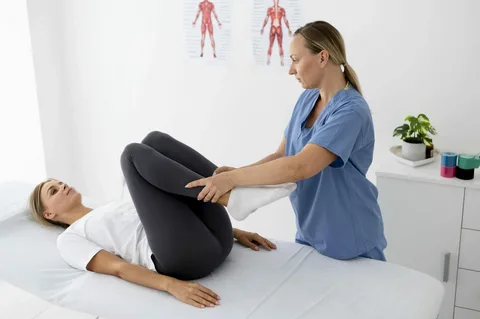
pelvic floor physiotherapy calgary nw begins with a comprehensive and individualized patient assessment. The physiotherapist carefully reviews symptoms, medical history, and lifestyle factors. A physical assessment evaluates posture, breathing mechanics, and hip mobility. Internal assessment, performed only with full patient consent, evaluates muscle function directly. This thorough process ensures the most accurate and informative diagnosis possible. Treatment then precisely targets the specific cause of each patient’s symptoms.
Treating Bladder and Bowel Symptoms
Urinary incontinence is highly responsive to pelvic floor physiotherapy treatment. Muscle retraining exercises correct identified strength and coordination deficits effectively. Bladder training strategies meaningfully reduce urgency and frequency of urination. Patients learn to identify and proactively avoid common bladder irritants. Fluid intake recommendations help patients manage symptoms practically every day. Most patients experience significant improvement within a few weeks of starting treatment.
Bowel symptoms like chronic constipation respond very well to treatment. Dyssynergic defecation, where muscles contract instead of relaxing, is common. Pelvic physiotherapy teaches proper relaxation and coordination during bowel movements. Positioning advice, such as using a small footstool, optimizes rectal emptying. Dietary recommendations complement all physiotherapy interventions comprehensively. Together, these strategies restore comfortable and reliable bowel function for patients.
Addressing Pelvic Pain and Discomfort
Pelvic pain affects a very significant portion of the adult population globally. Conditions like interstitial cystitis, endometriosis, and pudendal neuralgia cause chronic pain. Pelvic physiotherapy reduces pain by addressing muscular and fascial contributions. Trigger point therapy releases tight bands of muscle causing referred pain patterns. Connective tissue mobilization reduces restrictions throughout the entire pelvic region. Patients often experience meaningful pain relief after several carefully planned treatment sessions.
Improving Comfort During Intercourse
Painful intercourse affects both men and women across many life stages. Conditions like vaginismus involve involuntary muscle spasm during attempted penetration. Physiotherapy teaches pelvic floor awareness and essential relaxation techniques. Graded dilation therapy helps patients achieve comfortable penetration progressively over time. Internal muscle therapy directly releases tension causing the pain experience. Most patients achieve significant improvement with a structured and compassionate rehabilitation plan.
For men, pelvic pain may manifest as chronic prostatitis or pudendal neuralgia. These conditions involve similar patterns of muscle tension and nerve sensitivity. Pelvic physiotherapy provides both internal and external treatment for these issues. Education about the specific condition reduces anxiety and actively supports recovery. A calm and properly relaxed pelvic floor is the ultimate goal of treatment. Restored sexual comfort significantly improves quality of life and personal relationships.
Pelvic Floor Health Across the Lifespan
Pelvic floor function changes meaningfully at every significant stage of life. Hormonal shifts during puberty, pregnancy, and menopause all affect pelvic tissues. Men experience changes related to prostate health and the natural aging process. Understanding these changes helps people seek appropriate care at the right time. Preventive physiotherapy is becoming increasingly recognized as a highly valuable approach. Addressing small dysfunctions early effectively prevents larger and more complex problems later.
Pelvic Health in Older Adults
Older adults very commonly experience urinary urgency and leakage symptoms. These symptoms are absolutely not an inevitable part of the natural aging process. Pelvic physiotherapy is effective at any age with appropriate clinical modification. Falls risk is also directly linked to pelvic floor weakness and urgency incontinence. A strong pelvic floor contributes meaningfully to balance and confidence in movement. Addressing pelvic health improves independence and quality of life for older individuals.
Menopause-related changes reduce estrogen, affecting pelvic tissue elasticity significantly. This leads to symptoms like dryness, pain, and increased urinary urgency. Pelvic physiotherapy addresses these tissue changes with carefully targeted interventions. Topical estrogen is sometimes used alongside physiotherapy under proper medical guidance. Together, these approaches restore substantial comfort and improved function. Women do not need to accept discomfort and dysfunction as inevitable parts of aging.
Postural and Lifestyle Factors Affecting Pelvic Health
Daily posture significantly influences pelvic floor muscle function and tension. Prolonged sitting in a slumped position increases pelvic floor load. This can contribute to pain, tightness, and coordination problems over time. A physiotherapist assesses posture and provides targeted corrective strategies. Simple adjustments to daily habits can meaningfully reduce pelvic symptoms. Postural awareness is an empowering tool for ongoing pelvic health maintenance.
Heavy lifting technique also significantly affects the pelvic floor. Breath-holding during lifts dramatically increases intra-abdominal pressure. This pressure is transmitted directly to the pelvic floor during the lift. Learning to exhale during the effort phase reduces pelvic floor strain. This technique is especially important for workers who lift regularly. Physiotherapists educate patients on correct lifting mechanics for daily safety.
The Impact of Stress on the Pelvic Floor
Psychological stress has a direct and well-documented effect on pelvic muscles. Chronic stress causes the pelvic floor to hold excess tension involuntarily. This persistent tension contributes to pain, tightness, and coordination issues. Stress management strategies are therefore an important part of pelvic rehabilitation. Diaphragmatic breathing activates the parasympathetic nervous system effectively. This induces a relaxation response that directly benefits the pelvic floor muscles.
Mindfulness practices help patients develop awareness of pelvic tension patterns. Yoga and gentle stretching relieve chronic tightness in the pelvic region. Lifestyle modification recommendations are tailored to each patient’s specific situation. Physiotherapists acknowledge the mind-body connection in all pelvic treatment. Addressing stress alongside physical treatment produces more complete and lasting results. A calm nervous system is the foundation of a healthy and functional pelvic floor.
Making Pelvic Physiotherapy a Part of Your Wellness Routine
Pelvic health is a vital but often overlooked aspect of overall personal wellness. Including pelvic physiotherapy in your routine is a genuinely proactive decision. Preventive assessments identify minor dysfunction before symptoms worsen or multiply. Annual check-ins with a pelvic physiotherapist support long-term health effectively. Home exercise programs maintain pelvic floor function between clinical appointments. Awareness of pelvic health empowers people to take meaningful control of their bodies.
Combining pelvic physiotherapy with yoga, Pilates, and mindfulness is very beneficial. These practices support body awareness and effective muscle relaxation simultaneously. Good hydration, a balanced diet, and regular physical exercise all support pelvic health. Avoiding excess caffeine and alcohol reduces common bladder irritation symptoms. Managing chronic stress prevents tension from accumulating in the pelvic floor. A holistic lifestyle approach always complements and meaningfully enhances physiotherapy outcomes.
Conclusion
The pelvic floor plays a central and essential role in daily comfort and function. Dysfunction in this region affects millions of people silently and unnecessarily. Pelvic physiotherapy offers effective and dignified clinical solutions for these concerns. From bladder and bowel issues to pain and sexual discomfort, treatment genuinely helps. Seeking care from a specialized physiotherapist is an empowering and worthwhile decision. Daily comfort and improved quality of life are completely within your reach.