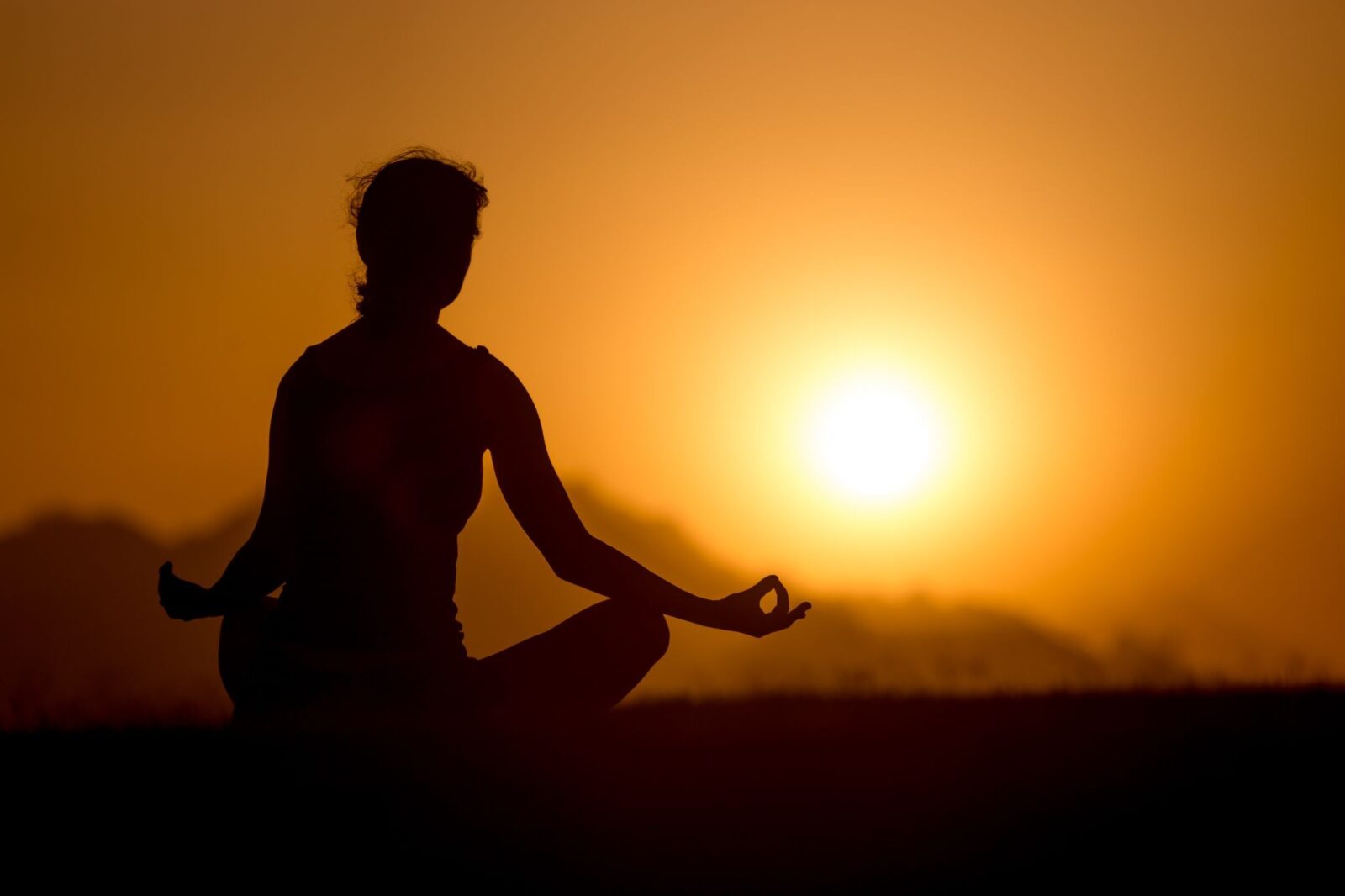

Starting meditation sounds simple until you actually sit down to do it. For many people, the moment they close their eyes, the mind becomes louder than ever. Thoughts keep running, distractions appear instantly, and sitting still suddenly feels difficult.
This is one of the reasons many people struggle with meditation for beginners. They expect instant calmness, but meditation is a gradual process. Like learning any new skill, it takes practice, patience, and the right guidance.
The good news is that most beginner challenges are completely normal and can be managed with small, practical changes.
The Mind Keeps Wandering
One of the most common frustrations beginners face is constant thinking during meditation. People often assume meditation means having a blank mind, but that is not the reality.
The mind naturally produces thoughts. Meditation teaches you to observe them without getting carried away by them.
A simple breathing practice can help:
-
Sit comfortably
-
Focus on your natural breath
-
Notice when the mind drifts
-
Gently return attention to the breath
Doing this repeatedly is the practice itself.
Research from organisations like the American Psychological Association has shown that mindfulness and meditation practices can help lower stress levels and improve emotional regulation over time. This is one reason many people explore meditation for anxiety and mindfulness techniques while searching for ways on how to reduce stress and anxiety in daily life.
Feeling Restless While Sitting Still
Many beginners feel physically or mentally restless during meditation. Sitting quietly can feel unfamiliar in a world filled with constant stimulation, notifications, and multitasking.
Instead of forcing long sessions, start with five or ten minutes daily. Short and consistent practice creates better long-term habits than occasional intense sessions.
Guided meditation can also make the experience easier because it gives the mind a point of focus. Listening to calm instructions helps reduce overthinking and improves concentration gradually.
This is one reason guided retreats have become increasingly popular among beginners looking to improve their health and mental wellbeing in a more structured environment.
If you are someone who feels more comfortable learning meditation with guidance and structure, organisations like Shrimad Rajchandra Mission Dharampur offer guided meditation retreats that help people disconnect from constant noise and reconnect with themselves through silence, introspection, and disciplined daily routines. Inspired by the teachings of Shrimad Rajchandraji, they create an environment that encourages self-reflection in a calm and approachable way for beginners.
Expecting Immediate Results
A lot of people stop meditating because they expect instant transformation. After two or three sessions, they wonder why they still feel stressed or distracted.
Meditation works gradually. Its effects build over time through consistency.
Studies published by Harvard Medical School have found that regular meditation may support reduced stress responses, improved focus, and greater emotional balance. These long-term meditation benefits often become noticeable through regular practice rather than overnight changes.
People looking for answers on how to overcome anxiety often benefit from approaching meditation gently instead of treating it like a quick fix.
Progress in meditation may look like:
-
Feeling calmer during stressful situations
-
Sleeping better
-
Reacting less impulsively
-
Becoming more emotionally aware
-
Experiencing greater mental peace
Overthinking During Meditation
For beginners, silence can sometimes make anxious thoughts feel stronger. Unfinished tasks, worries, and emotional stress often rise to the surface during stillness.
This does not mean meditation is failing. In many cases, it means the mind is finally slowing down enough for buried emotions to become visible.
Guided practices are particularly helpful here because they create a sense of support and direction. Breath awareness, visualisation, and mindful observation techniques can help calm the nervous system gradually.
This is why many meditation retreats now focus heavily on emotional balance and self-awareness alongside spiritual practices. Programmes conducted by SRMD often include guided meditation sessions, reflective silence, and practical tools that support emotional well-being in everyday life.
Their retreats also encourage participants to take a break from digital distractions, which many attendees describe as deeply refreshing for mental clarity and emotional balance.
Finding It Hard to Stay Consistent
Consistency is one of the biggest challenges in meditation. People start with motivation but struggle to continue once life becomes busy again.
The easiest solution is to make meditation part of an existing routine. Practising at the same time every day helps build familiarity and discipline naturally.
You can meditate:
-
Early in the morning
-
Before bedtime
-
After work
-
Before starting your day
Creating a peaceful environment also helps. A quiet corner, comfortable seating, and minimal distractions can make meditation feel more inviting.
Over time, regular meditation can support:
-
Better concentration
-
Reduced stress
-
Improved self-awareness
-
Greater emotional balance
-
Stronger resilience during difficult situations
These are some of the widely recognised advantages of meditation that encourage people to continue their practice consistently.
Starting Simple Makes a Difference
Meditation does not need to feel complicated. Beginners often make progress when they stop trying to meditate perfectly.
A few quiet minutes of conscious breathing every day can slowly improve awareness, calmness, and emotional stability. For many people searching for practical mental health tips or natural ways on how to get rid of anxiety, meditation becomes valuable because it creates space to pause, observe, and respond more calmly to life.
Guided support can make this journey feel far more approachable. Through meditation retreats and spiritual programmes, Shrimad Rajchandra Mission Dharampur continues helping seekers build inner stability and lasting mental peace through simple practices rooted in awareness, discipline, and compassionate living under the guidance of Pujya Gurudevshri Rakeshji.