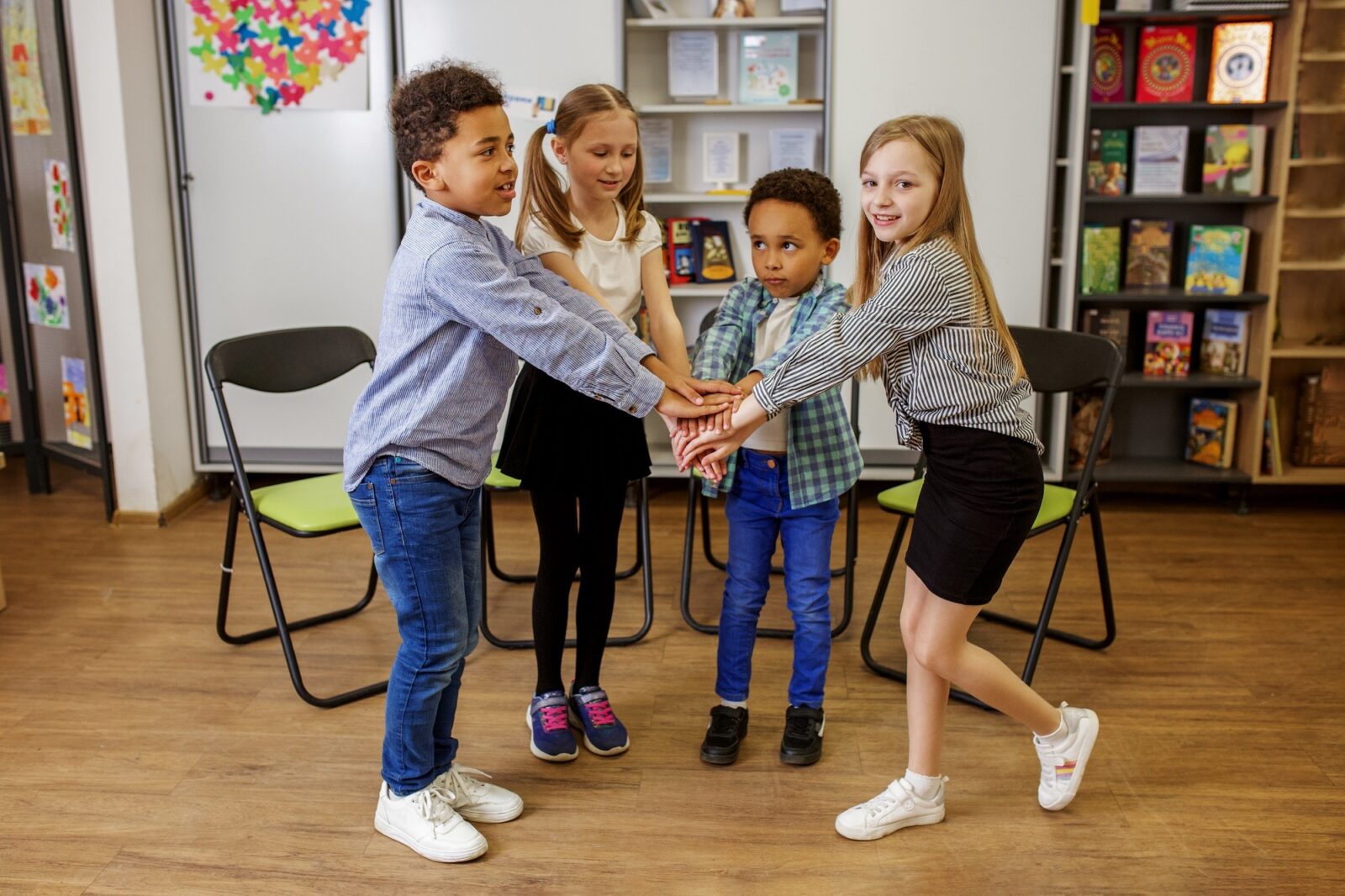
Few moments are harder for a parent than watching a child stand on the edge of a group of laughing kids, unsure how to join in. For families raising a child with autism, this scene plays out more often than most realize. Many children on the spectrum genuinely want friendships but simply do not yet know how to start, maintain, or repair them. This is where structured social skills therapy Baltimore can make a real difference, helping children build the practical tools and confidence to connect with peers.
Why Friendship Skills Don’t Always Come Naturally
For many children, social behaviors are picked up just by observing others. They watch a sibling share a toy, copy a classmate’s reaction, or pick up on subtle cues like tone of voice. Children with autism often do not learn social behaviors the same way. They may miss the small signals others give off, or feel unsure how to respond when those signals are unclear. The result is not a lack of interest in friendship. It is a gap in the specific skills needed to access friendship comfortably and confidently.
Core Skills Taught in Social Skills Groups
Quality Baltimore social skills groups focus on the building blocks of meaningful peer connection. These often include:
- Greeting peers and introducing oneself
- Initiating and maintaining conversations
- Understanding facial expressions and tone of voice
- Taking turns and sharing space
- Recognizing when to give a peer space and when to engage
- Repairing a friendship after a disagreement
- Inviting others to play or join group activities
Each skill is broken into smaller, teachable steps. Children practice through modeling, role-play, group games, and gentle real-time coaching from trained behavior professionals.
How ABA Builds Friendship Skills Step by Step
Applied Behavior Analysis is the foundation of evidence-based social skills therapy in Baltimore. ABA does not try to change who a child is. Instead, it teaches social behaviors in a way that respects each child’s strengths and interests. A behavior analyst might watch how a child currently approaches peers, then design specific goals to help expand those interactions. For example, a child who waves at peers but rarely speaks might work on adding a short greeting. Over time, that greeting becomes a question, then a back-and-forth conversation.
Why Group Settings Matter for Friendship Building
A child cannot practice making friends in isolation. That is why Baltimore social skills groups are designed around peer interaction. In these settings, children rehearse new behaviors with other children who are also learning. Peer-based practice builds comfort and reduces the pressure that often comes with one-on-one social moments. Children learn how to read group dynamics, navigate disagreements, and celebrate shared successes. Over time, these experiences shape how they approach friendships outside the group.
The Role of Emotional Regulation
Friendships also depend on emotional skills. A child who melts down when a game does not go their way, or who shuts down when feeling embarrassed, may struggle to maintain peer relationships. Strong social skills programs include explicit instruction in emotional regulation. Children learn to identify their feelings, use calming strategies, and communicate when they need a break. These skills protect friendships and help children feel more in control during social moments at school, at home, and in the community.
How Parents Can Support Friendship Growth at Home
Progress made in groups is strongest when supported at home. Parents can help by:
- Asking open-ended questions about peers and friendships
- Setting up structured playdates with one trusted peer at a time
- Practicing greetings or conversation starters in low-pressure moments
- Celebrating small wins, even briefly
- Staying in close communication with the child’s behavior team
Friendship growth varies from child to child, and progress can be gradual. What matters most is consistent, steady support across home, school, and the community. Families are also encouraged to consult with a qualified ABA provider to set realistic, individualized goals. With the right combination of structured guidance, patient encouragement, and meaningful peer practice, children on the spectrum can develop the confidence and tools they need to build lasting friendships that bring joy, belonging, and connection throughout every stage of life.