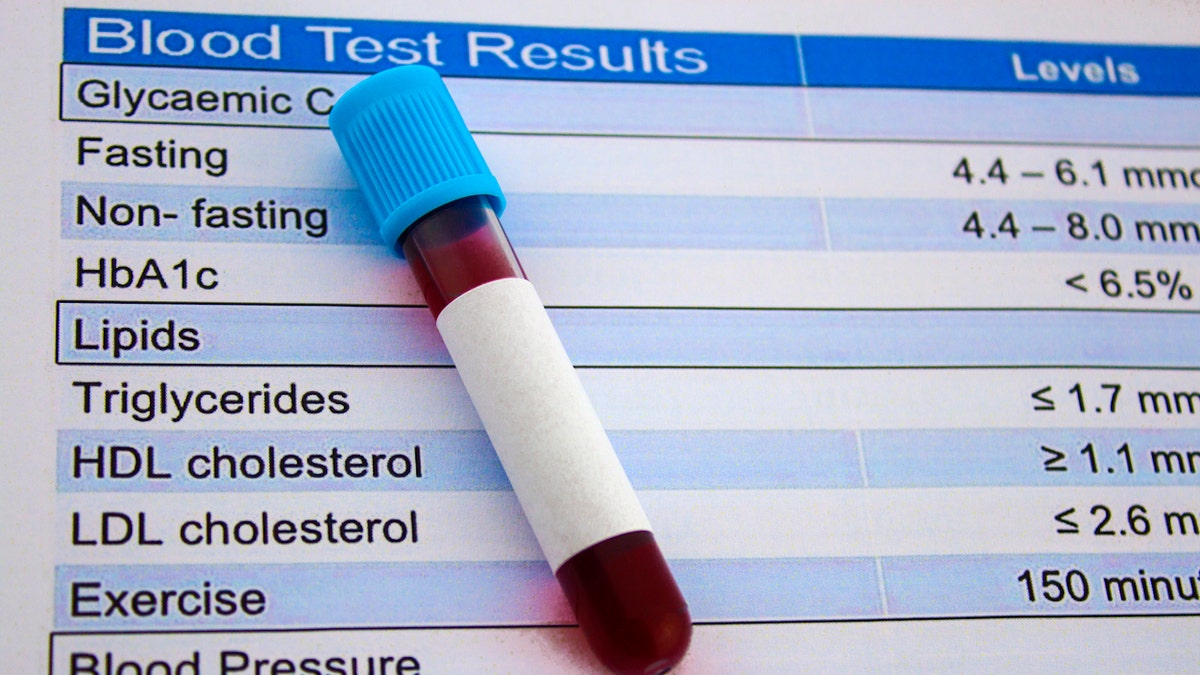
Many health conditions begin quietly. Long before symptoms become noticeable, subtle changes occur inside the body that can affect energy levels, metabolism, organ function, and overall wellness. A Full Blood Test in Dubai is one of the most effective ways to uncover these changes and gain a comprehensive understanding of your health.
Unlike a single laboratory test that focuses on one specific area, a full blood test combines multiple diagnostic assessments to create a detailed picture of your physical condition. From cholesterol levels and blood sugar to vitamin deficiencies and liver function, this comprehensive health screening provides valuable insights that support preventive care, early diagnosis, and long-term health management.
Whether you are experiencing symptoms, monitoring an existing condition, or simply prioritizing preventive healthcare, understanding what a full blood test includes can help you make informed decisions about your well-being.
What Is a Full Blood Test?
A full blood test is a broad laboratory assessment that evaluates multiple health markers from a single blood sample. Rather than focusing on one specific disease or organ, it examines various aspects of health to identify abnormalities, assess risk factors, and monitor overall body function.
Healthcare providers often recommend comprehensive blood testing during annual health checkups, wellness screenings, or when investigating unexplained symptoms.
A full blood test may include evaluations of:
-
Blood cell counts
-
Cholesterol levels
-
Blood glucose
-
Kidney function
-
Liver health
-
Thyroid function
-
Vitamin levels
-
Hormone balance
-
Inflammatory markers
-
Electrolyte balance
This extensive approach provides a valuable overview of both current health status and potential future risks.
Why Full Blood Testing Matters More Than Symptoms Alone?
One of the biggest misconceptions about healthcare is that feeling healthy automatically means being healthy. Many serious medical conditions develop gradually without obvious warning signs.
A full blood test helps identify hidden health concerns such as:
-
High cholesterol
-
Prediabetes
-
Iron deficiency
-
Thyroid disorders
-
Liver abnormalities
-
Kidney dysfunction
-
Chronic inflammation
Because these conditions often remain undetected during their early stages, routine blood testing plays an essential role in preventive medicine.
The earlier a health issue is identified, the more opportunities exist for successful treatment and lifestyle intervention.
Breaking Down the Components of a Full Blood Test:
Understanding the individual tests included in a comprehensive blood panel can help patients better appreciate the value of laboratory diagnostics.
Complete Blood Count (CBC):
The Complete Blood Count is one of the most important components of a full blood test.
It measures:
-
Red blood cells
-
White blood cells
-
Hemoglobin
-
Hematocrit
-
Platelets
These results help healthcare providers assess immune function, oxygen transport, blood clotting ability, and overall blood health.
A CBC can assist in detecting anemia, infections, inflammatory conditions, and certain blood disorders.
Lipid Profile:
Cardiovascular health is a major focus of preventive healthcare. A lipid profile evaluates cholesterol and fat levels circulating in the bloodstream.
The test typically measures:
-
Total cholesterol
-
LDL cholesterol
-
HDL cholesterol
-
Triglycerides
Abnormal lipid levels may increase the risk of heart disease, stroke, and other cardiovascular complications.
Regular cholesterol screening allows individuals to take preventive action before serious problems arise.
Blood Glucose Assessment:
Blood sugar control plays a critical role in metabolic health.
Common glucose-related measurements include:
-
Fasting blood glucose
-
HbA1c
-
Random blood sugar levels
These tests help identify insulin resistance, prediabetes, and diabetes while also monitoring treatment effectiveness for diagnosed patients.
Liver Function Tests:
The liver supports digestion, detoxification, nutrient processing, and hormone regulation.
A full blood test often includes:
-
ALT
-
AST
-
Bilirubin
-
Albumin
-
Alkaline phosphatase
These markers provide insight into liver health and can help identify fatty liver disease, hepatitis, medication-related liver damage, and other conditions.
Kidney Function Evaluation:
Healthy kidneys filter waste products from the blood and maintain fluid balance.
Key kidney markers include:
-
Creatinine
-
Blood Urea Nitrogen (BUN)
-
Estimated Glomerular Filtration Rate (eGFR)
Monitoring these indicators helps detect kidney disease and assess overall renal function.
Nutritional Health Revealed Through Blood Testing:
Nutrition directly impacts energy production, immunity, mental clarity, and physical performance. A full blood test often includes assessments that reveal nutritional deficiencies.
Vitamin D Testing:
Vitamin D supports bone health, immune function, and muscle strength.
Low levels may contribute to:
-
Fatigue
-
Bone weakness
-
Reduced immunity
-
Mood changes
Vitamin B12 Assessment:
Vitamin B12 is essential for nerve function and red blood cell production.
Deficiencies can cause:
-
Tiredness
-
Memory issues
-
Weakness
-
Neurological symptoms
Iron and Ferritin Testing:
Iron deficiency remains one of the most common nutritional issues worldwide.
Blood testing helps determine whether low energy levels or fatigue may be linked to inadequate iron stores.
Understanding Thyroid Function Through Blood Analysis:
The thyroid gland influences numerous bodily functions, including metabolism, body temperature regulation, and energy production.
A Full Blood Test may evaluate:
-
Thyroid Stimulating Hormone (TSH)
-
Free T3
-
Free T4
Abnormal thyroid hormone levels can affect:
-
Weight management
-
Energy levels
-
Mood
-
Sleep quality
-
Heart rate
Because thyroid disorders often develop gradually, routine testing can be extremely valuable.
How Full Blood Tests Support Preventive Healthcare?
Preventive healthcare focuses on identifying risks before disease develops. Full blood testing is one of the most effective tools for achieving this goal.
Regular screening can help detect:
Early Cardiovascular Risk:
Elevated cholesterol and triglycerides often appear years before cardiovascular symptoms develop.
Metabolic Imbalances:
Blood sugar abnormalities may indicate future diabetes risk.
Organ Function Changes:
Minor changes in kidney or liver markers can signal developing health concerns.
Chronic Inflammation:
Inflammatory markers may reveal hidden health issues that require further investigation.
This proactive approach allows healthcare providers to recommend lifestyle modifications and treatment strategies before conditions become more serious.
Who Should Consider a Full Blood Test?
Although comprehensive blood testing benefits almost everyone, certain individuals may particularly benefit from regular monitoring.
These include:
-
Adults over 30
-
Individuals with a family history of chronic disease
-
People experiencing unexplained fatigue
-
Those managing diabetes or heart disease
-
Individuals with thyroid disorders
-
Athletes monitoring performance and recovery
-
People pursuing preventive healthcare goals
Routine health screening provides valuable information regardless of whether symptoms are present.
What to Expect Before and During Testing?
Many patients feel uncertain about the blood testing process. Fortunately, it is usually simple, quick, and minimally invasive.
Preparation:
Some tests require fasting for several hours before sample collection. Patients should follow any instructions provided by their healthcare provider.
Sample Collection:
A trained phlebotomist draws blood from a vein, typically in the arm. The procedure generally takes only a few minutes.
Laboratory Analysis:
The blood sample is processed using advanced laboratory equipment that evaluates multiple biomarkers.
Results Review
Healthcare providers interpret the results and explain how they relate to overall health and wellness goals.
How Often Should You Get a Full Blood Test?
The ideal testing frequency depends on age, medical history, lifestyle, and health objectives.
General recommendations include:
Annual Testing:
Most healthy adults benefit from yearly blood work as part of routine preventive care.
More Frequent Monitoring:
Individuals with chronic conditions may require testing every few months to track treatment progress and disease management.
Specialized Testing Schedules:
Certain biomarkers may require more frequent assessment depending on medical circumstances.
Healthcare providers can recommend an appropriate testing schedule based on individual needs.
Using Blood Test Results to Improve Long-Term Health:
The true value of a full blood test lies in how the information is used. Laboratory results provide actionable insights that support healthier lifestyle choices and informed medical decisions.
Patients can use blood test findings to:
-
Improve dietary habits
-
Monitor cholesterol management
-
Track blood sugar control
-
Address vitamin deficiencies
-
Evaluate exercise effectiveness
-
Support healthy aging
-
Monitor chronic conditions
When combined with professional medical guidance, these insights create a roadmap for long-term wellness.
Choosing a Reliable Laboratory for Full Blood Testing:
Accurate results depend on the quality of the laboratory performing the analysis.
Look for providers that offer:
-
Accredited testing facilities
-
Experienced medical professionals
-
Advanced diagnostic technology
-
Comprehensive blood panels
-
Secure digital reporting systems
-
Strong quality assurance protocols
Reliable testing ensures confidence in the results and supports better healthcare decisions.
Conclusion:
A full Lab tests is one of the most powerful tools available for understanding your health. By evaluating multiple biomarkers across different body systems, it provides a detailed overview of physical wellness, disease risk factors, nutritional status, and organ function.
From detecting hidden deficiencies and monitoring cholesterol levels to assessing blood sugar control and supporting preventive healthcare, comprehensive blood testing offers valuable insights that can guide healthier choices and improve long-term outcomes.
In a world where proactive healthcare is becoming increasingly important, a full blood test serves as a practical and effective way to stay informed, detect potential issues early, and take meaningful steps toward a healthier future.