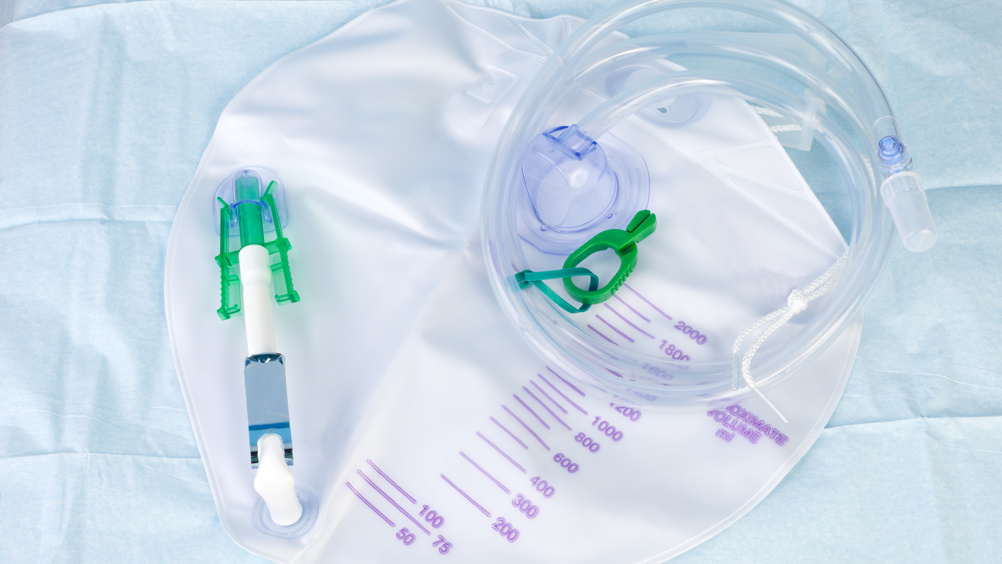
Living with a catheter can sometimes cause discomfort, irritation, or inconvenience if proper care is not maintained. For those seeking Catheter Care at Home Dubai, guidance from a Doctor at Home can be invaluable in helping patients manage discomfort while maintaining hygiene. With the right practices, catheter users can enjoy better comfort, reduce complications, and ensure smooth daily functioning. Understanding proper techniques, monitoring for warning signs, and implementing simple comfort strategies can make a significant difference for patients managing a catheter at home.
Understanding Catheter Comfort:
Comfort is a critical aspect of catheter care, as poorly managed catheters can lead to pain, infections, or skin irritation. Prioritizing comfort includes monitoring the catheter site, tubing, and drainage bag to identify potential sources of discomfort. Key considerations include:
- Choosing the correct catheter type as advised by a healthcare professional.
- Ensuring the catheter is properly secured to avoid tension or pulling.
- Regularly inspecting the insertion site for redness or irritation.
- Keeping the surrounding skin clean and dry.
Focusing on comfort from the outset helps reduce stress and promotes better catheter management outcomes.
Proper Hand Hygiene Before Handling:
Maintaining hygiene is essential for both comfort and safety. Hands can transfer bacteria to the catheter and surrounding area, increasing infection risk and potential irritation. Recommended practices include:
- Washing hands thoroughly with soap and warm water before any catheter-related task.
- Cleaning under fingernails and between fingers.
- Using disposable gloves if needed.
- Washing hands again after completing catheter care tasks.
Proper hand hygiene reduces the risk of infection and contributes to a more comfortable catheter experience.
Cleaning the Catheter Insertion Site:
The insertion site requires careful daily attention to maintain comfort and prevent infections. Gentle cleaning reduces irritation and promotes skin health. Steps include:
- Washing the site daily with mild soap and warm water.
- Removing any dried secretions or debris.
- Rinsing thoroughly to avoid soap residue.
- Patting the area dry with a clean towel to prevent moisture buildup.
Consistent site care keeps the skin healthy and minimizes discomfort.
Managing Catheter Tubing:
Tubing can cause tension or pressure if not positioned properly, leading to discomfort or potential complications. Daily tubing care includes:
- Checking for twists, kinks, or tension in the tubing.
- Securing tubing to avoid pulling during movement.
- Keeping tubing free from obstruction under clothing or bedding.
- Ensuring connections remain tight but not forced.
Proper management ensures smooth urine flow and reduces physical strain for the patient.
Drainage Bag Comfort and Hygiene:
The drainage bag can impact both comfort and hygiene if not handled properly. Key practices for comfort include:
- Emptying the bag regularly before it becomes overly full.
- Keeping the bag below bladder level at all times.
- Securing the bag comfortably to avoid tugging.
- Cleaning the bag outlet before and after emptying.
Maintaining a clean and properly positioned drainage bag reduces discomfort and supports effective catheter function.
Clothing and Mobility Adjustments:
Clothing and daily movements can influence catheter comfort significantly. Simple adjustments can prevent irritation and accidental dislodgement. Suggestions include:
- Wearing loose-fitting clothing to avoid pressure on the catheter.
- Choosing breathable fabrics to reduce moisture and friction.
- Adjusting the catheter position during changes in posture.
- Avoiding activities that may pull or strain the catheter.
Comfortable clothing and mindful mobility support safer and more comfortable catheter management.
Hydration for Comfort and Health:
Proper hydration is essential not only for urinary health but also for preventing catheter-related irritation and blockages. Tips include:
- Drinking water consistently throughout the day, as recommended by a healthcare provider.
- Avoiding beverages that may irritate the bladder.
- Monitoring urine color to ensure proper hydration.
- Consulting a Doctor at Home for personalized hydration guidance.
Good hydration helps flush the urinary system, reducing discomfort and supporting smooth catheter function.
Monitoring for Discomfort and Infection:
Early detection of discomfort or infection can prevent complications and improve overall comfort. Daily monitoring should include:
- Checking for redness, swelling, or soreness around the insertion site.
- Observing for changes in urine color, odor, or consistency.
- Noting any pain or unusual sensations during catheter movement.
- Identifying leakage or blockage in the tubing or drainage bag.
Prompt attention to these warning signs allows timely intervention and improved comfort.
Using Skin Protection and Comfort Measures:
Extra measures can enhance comfort, especially for long-term catheter users. Recommended strategies include:
- Using soft dressings or protective barriers around the insertion site.
- Applying skin-friendly barrier creams if advised by a healthcare provider.
- Ensuring the catheter tubing is cushioned against friction from clothing or bedding.
- Changing protective materials regularly to maintain hygiene.
Implementing comfort-focused strategies helps reduce irritation and improves the overall experience of living with a catheter.
Caregiver Support for Comfort:
For patients relying on caregivers, proper training and awareness are crucial for maintaining comfort. Caregivers can help by:
- Assisting with catheter cleaning and drainage bag management.
- Monitoring for early signs of discomfort or infection.
- Helping adjust catheter placement during daily activities.
- Providing reminders for hydration and mobility adjustments.
Well-informed caregivers significantly enhance patient comfort and safety.
When to Consult a Professional:
Even with proper care, some situations require professional attention. Consulting a Doctor at Home is important if patients experience:
- Persistent pain or irritation at the catheter site.
- Frequent blockages or leakage.
- Signs of infection such as fever, redness, or foul-smelling urine.
- Any unusual discomfort during daily activities.
Seeking timely guidance ensures proper treatment and prevents further complications.
Final Thoughts:
Maintaining comfort is an essential aspect of effective Catheter Care at Home Dubai. From proper hygiene and site care to tubing management, hydration, and clothing adjustments, every detail contributes to a safer and more comfortable experience. By monitoring for signs of discomfort, implementing protective strategies, and seeking professional support when necessary, catheter users can manage their devices effectively while improving quality of life at home. A proactive approach to catheter comfort not only prevents complications but also promotes confidence and independence in daily living.