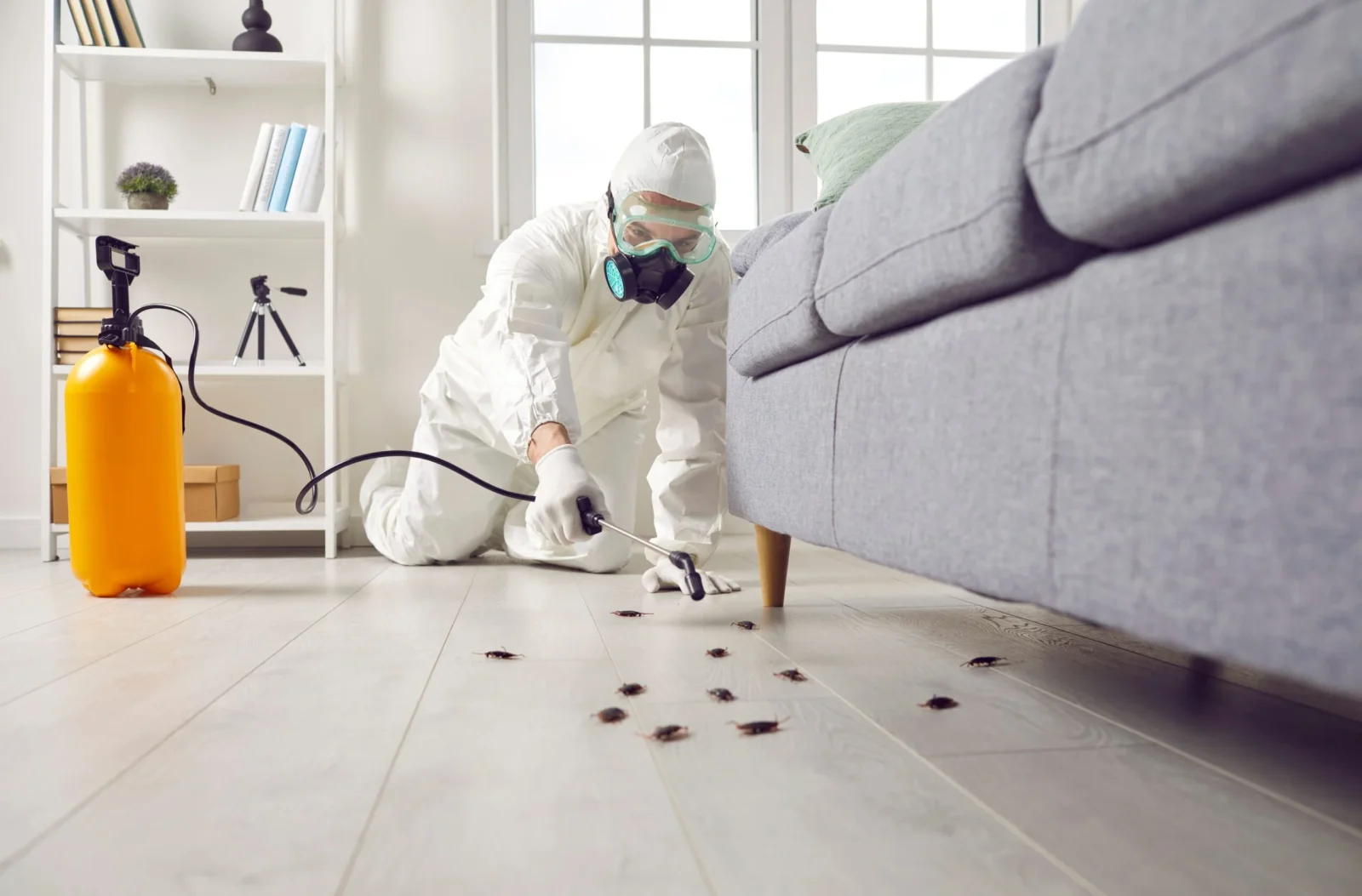
Pests can quickly turn a comfortable home or well-maintained business into a difficult place to manage. Ants, cockroaches, rodents, flies, termites, and other unwanted visitors can damage property, contaminate food, and create uncomfortable living or working conditions. These problems often begin in hidden areas where pests find food, moisture, and shelter. Professional general pest control helps identify common infestations, address existing pest activity, and reduce the conditions that allow unwanted insects and rodents to thrive.
Why Regular Pest Management Is Important
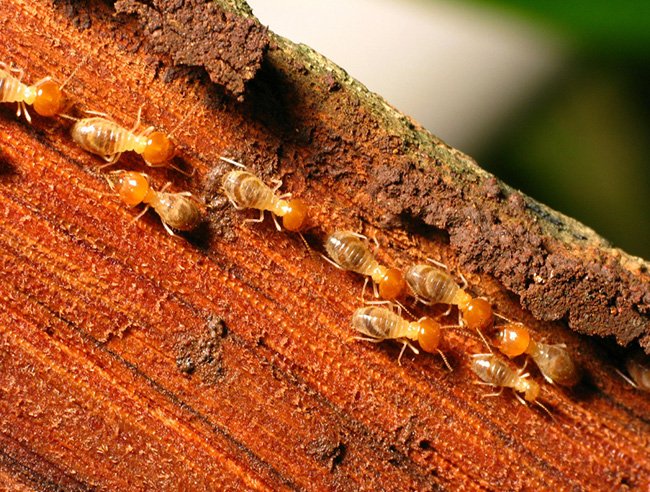
Pests can affect properties in several ways, depending on the species and the environment. Cockroaches and flies may contaminate food preparation areas, while rodents can damage wires, insulation, and stored belongings. Termites can weaken vulnerable wooden structures, and ants may spread through kitchens and storage cupboards in search of food. Even a small infestation can become more difficult to manage when it is left untreated.
Regular pest management helps property owners recognize problems before they spread throughout the building. An inspection can reveal signs of activity, possible entry points, and conditions that attract pests. Addressing these concerns early may reduce repair expenses and limit disruption to everyday routines. A planned approach also helps property owners understand which preventive steps are necessary for their specific surroundings.
Common Pests Found in Homes and Businesses
Different properties attract different pests, so identifying the species is an important part of choosing an effective treatment. Ants often enter through small gaps around windows, doors, and foundations. Cockroaches prefer warm, sheltered areas and may gather around drains, kitchen appliances, and plumbing fixtures. Flies are commonly attracted to exposed food, waste, and organic materials.
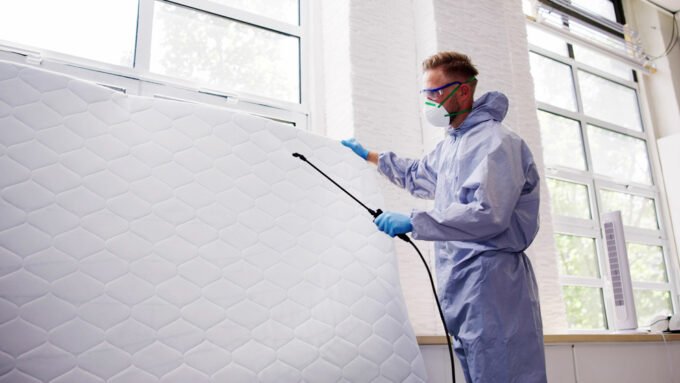
Rodents may enter through gaps around pipes, rooflines, vents, and exterior walls. Termites can remain hidden inside wood for extended periods, making early detection difficult. Bed bugs may spread through luggage, clothing, and secondhand furniture, while mosquitoes can breed in standing water around outdoor spaces. Understanding these different behaviors helps technicians determine where to inspect and which treatment methods are likely to be appropriate.
How General Pest Control Services Work
Effective general pest control in Bonita begins with an assessment of the property and the pest concerns reported by the owner or occupants. A technician examines relevant indoor and outdoor areas for insects, droppings, nesting materials, damage, and other warning signs. Kitchens, bathrooms, storage spaces, garages, utility areas, and building entrances may receive particular attention.
After the inspection, the provider recommends a treatment plan based on the pest species, infestation level, and property conditions. Depending on the situation, the service may include targeted applications, baiting systems, traps, or recommendations for sealing entry points and improving sanitation. The technician should explain the methods being used, any necessary preparation, and the precautions required after treatment. Follow-up visits may be recommended when the infestation requires additional monitoring or treatment.
Residential Pest Control for Everyday Comfort
Homes provide many opportunities for pests to find shelter, especially when food is left uncovered or moisture accumulates in hidden areas. Kitchens, bathrooms, basements, attics, and garages may become attractive to insects and rodents. Small openings around plumbing, damaged window screens, and gaps beneath exterior doors can also provide convenient access.
Homeowners can reduce these risks by storing food in sealed containers, cleaning spills promptly, removing household waste regularly, and repairing leaks. Keeping storage areas organized makes it easier to notice pest activity before it becomes widespread. Outdoor maintenance matters as well, since overgrown vegetation, accumulated debris, and standing water can encourage certain pests near the building. Combining these habits with professional treatment creates a stronger foundation for a cleaner and more comfortable home.
Commercial Pest Control for Business Properties
Businesses must consider pest management as part of their wider property maintenance responsibilities. Restaurants, hotels, retail stores, offices, warehouses, and industrial facilities may face different challenges depending on their operations. Food-related businesses need to pay particular attention to sanitation and storage, while warehouses may need to monitor incoming goods, packaging, and loading areas.
A commercial pest management plan should reflect the building’s layout and daily activities. Scheduled inspections can help identify pest activity before it affects inventory, equipment, employees, or customers. Staff should know how to report sightings and maintain clean workspaces, while managers should address structural gaps, waste handling issues, and persistent moisture problems. Consistent monitoring and clear records help businesses respond to recurring concerns more efficiently.
Safe and Responsible Pest Treatment Methods
Choosing an appropriate treatment method is essential for controlling pests without creating unnecessary risks. Depending on the infestation, a technician may recommend traps, bait stations, targeted pesticide applications, or nonchemical measures such as sealing openings and removing food sources. The best option depends on the pest, the affected location, and the people or animals using the property.
Pesticides should always be used according to their labels and applicable regulations. Property owners should follow instructions concerning food storage, ventilation, cleaning, and access to treated areas. Children, pets, and sensitive household items may require additional precautions based on the product and treatment method. A responsible provider explains these requirements before beginning work and avoids applying treatments where they are unsuitable. Combining carefully selected treatments with practical prevention measures can improve results while supporting safer pest management.
Why Inspection and Prevention Go Together
Treating visible pests may not resolve the underlying problem if entry points, nesting areas, or attractive conditions remain. For example, removing ants without addressing an accessible food source may lead to renewed activity. Similarly, controlling rodents without sealing gaps can leave the building vulnerable to further entry.
An inspection helps reveal these underlying concerns and guides the next steps. Technicians may recommend repairing damaged screens, improving drainage, sealing appropriate openings, or changing waste storage practices. Monitoring after treatment can show whether the measures are working or whether additional attention is needed. This combined approach focuses on reducing the causes of infestations rather than repeatedly addressing the same symptoms.
Choosing a Reliable Pest Control Provider
Selecting a qualified service provider can make pest management more straightforward. Look for a company that has experience with the pests affecting your property and explains its inspection process clearly. Depending on local requirements, verify that the provider has the necessary licenses, certifications, or other professional qualifications.
Before booking, ask what the pest control service in Bonita includes, which treatment methods may be used, and whether follow-up visits are available. It is also helpful to request information about preparation requirements, safety precautions, and any service guarantees. A reliable technician should explain the findings and recommendations in language you can understand. Comparing the overall service, experience, and prevention support can be more useful than choosing a company based only on price.
What Influences the Cost of Pest Control?
The cost of treatment depends on the size of the property, the type of pest, the severity of the infestation, and the work required. Treating a small area with limited insect activity may be simpler than managing rodents throughout a large commercial building. Specialized treatments for termites or bed bugs may involve different equipment, preparation, and follow-up requirements.
When requesting an estimate, describe the pest problem and identify the areas where activity has been noticed. Ask whether the price covers inspection, treatment, monitoring, and additional visits if needed. You should also clarify whether repairs, exclusion work, or specialized treatments are charged separately. A written estimate makes it easier to understand the proposed service and compare available options before making a decision.
Maintain a Pest-Free Environment With Consistent Care
Keeping pests under control requires more than a single treatment. Regular cleaning, proper food storage, moisture management, waste removal, and routine property checks all help reduce the conditions that attract unwanted insects and rodents. Recognizing warning signs early also makes it easier to seek assistance before an infestation spreads.
Professional general pest control offers a practical way to inspect affected areas, select suitable treatments, and develop preventive measures for homes and commercial properties. Whether you are dealing with ants in the kitchen, cockroaches in storage areas, rodents in a garage, or recurring insect activity around your building, a suitable plan can help protect your property. By combining professional support with consistent maintenance, you can create a cleaner, more comfortable environment and reduce the likelihood of future pest problems.