Introduction
Many homeowners focus on common pests such as ants, rodents, and cockroaches while overlooking a smaller but equally troublesome pest. Silverfish are quiet invaders that often remain hidden for long periods. They do not bite people or spread diseases like some other pests, but they can damage valuable belongings and create ongoing frustration. Books, photographs, wallpaper, clothing, and stored documents are among the items that may suffer damage from these insects. Understanding why silverfish enter homes, where they hide, and how to prevent infestations can help property owners maintain a cleaner and more comfortable living environment.
What Are Silverfish?
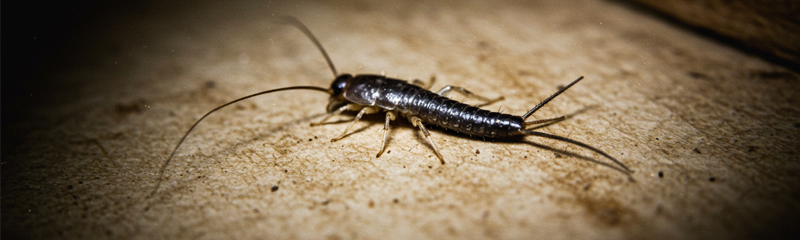
Silverfish are small wingless insects known for their silver-gray color and fish-like movements. Their bodies are flat and elongated, allowing them to squeeze into narrow cracks and hidden spaces. These insects are usually active at night and prefer dark, humid environments where they can remain undisturbed.
Because they avoid light and stay hidden during the day, many infestations go unnoticed until damage becomes visible. Homeowners often discover evidence of activity long after silverfish have established themselves inside the property.
Although silverfish are not considered dangerous to human health, they can become a serious nuisance when populations increase.
Why Silverfish Thrive Indoors
Silverfish are attracted to environments that provide moisture, food, and shelter. Many homes unknowingly create ideal conditions for these pests.
High humidity is one of the most important factors. Bathrooms, basements, laundry rooms, and kitchens often contain enough moisture to support silverfish activity. Poor ventilation can make these areas even more attractive.
Food sources also play a major role. Silverfish feed on materials containing starches, carbohydrates, and proteins. Paper products, cardboard, glue, book bindings, wallpaper paste, fabrics, and even some food items can serve as sources of nutrition.
Dark hiding places provide additional protection. Cracks in walls, storage boxes, closets, and rarely used rooms offer the shelter these insects prefer.
Common Signs of a Silverfish Infestation
Because silverfish are nocturnal, direct sightings may be uncommon. However, several signs can indicate their presence.
One of the most noticeable indicators is damage to paper materials. Books, magazines, important documents, and photographs may develop irregular holes or scraping marks.
Fabric damage is another warning sign. Certain clothing items, linens, and stored textiles may show small holes or feeding marks.
Yellow stains and tiny dark droppings can sometimes appear near infested materials.
Shed skins are also common. As silverfish grow, they molt multiple times throughout their lives. Finding these discarded skins in storage areas or hidden corners may indicate an active population.
Frequent sightings in bathrooms, basements, or other damp locations should not be ignored.
Areas Most Vulnerable to Silverfish Activity
Silverfish can be found in many parts of a property, but certain locations are especially attractive due to moisture and limited disturbance.
Bathrooms are among the most common locations because of their high humidity levels. Water from showers, sinks, and plumbing fixtures creates favorable conditions.
Basements often provide the darkness and moisture silverfish prefer. Poor ventilation and stored items make these spaces ideal hiding areas.
Attics can also support infestations if ventilation is inadequate or humidity becomes elevated.
Storage rooms frequently attract silverfish because they contain cardboard boxes, books, paper products, and clothing that serve as food sources.
Kitchens sometimes experience activity as well, especially where moisture accumulates near plumbing fixtures and appliances.
The Impact of Silverfish on Household Items
While silverfish do not damage structures in the same way termites or rodents do, they can still affect valuable belongings.
Libraries and book collections are particularly vulnerable. Silverfish feed on paper, glue, and binding materials, causing deterioration over time.
Family photographs and important records may become damaged through feeding activity.
Wallpaper can develop holes and peeling sections when silverfish consume adhesive materials.
Stored clothing and fabrics may also suffer damage, especially when left undisturbed for long periods.
Although the damage may appear minor at first, long-term infestations can affect a large number of personal possessions.
How Moisture Contributes to Infestations
Moisture control is one of the most important factors in preventing silverfish problems. These insects require humid conditions to survive and reproduce successfully.
Leaking pipes, condensation, poor drainage, and inadequate ventilation all contribute to increased humidity levels.
Bathrooms without proper exhaust systems often retain moisture for extended periods. Basements may also experience dampness due to groundwater issues or insufficient airflow.
Reducing humidity makes the environment less attractive to silverfish and can significantly reduce infestation risks.
Using dehumidifiers, repairing plumbing leaks, and improving ventilation are effective strategies for moisture management.
Prevention Strategies for Homeowners
Preventing infestations is often easier than eliminating established populations. Several practical steps can reduce the likelihood of silverfish activity.
Maintaining low humidity levels should be a priority. Proper ventilation and moisture control help create less favorable conditions.
Regular cleaning removes food sources and helps identify potential problems early. Dust, paper debris, and clutter should be minimized whenever possible.
Storage practices also matter. Important documents, books, and fabrics should be stored in sealed containers rather than cardboard boxes.
Cracks, gaps, and crevices should be sealed to eliminate hiding places and reduce access to interior spaces.
Periodic inspections of storage areas help detect activity before populations become difficult to manage.
Professional Treatment Approaches
When infestations become established, professional assistance often provides the most effective solution. Experts begin with a detailed inspection to identify activity levels, moisture sources, and contributing environmental conditions.
Treatment strategies may focus on targeted applications, habitat modification, and exclusion measures. The goal is not only to reduce existing populations but also to address the factors that allowed the infestation to develop.
Professional recommendations often include moisture reduction, improved sanitation, storage improvements, and ongoing monitoring.
A comprehensive approach helps provide longer-lasting results and minimizes the risk of recurring problems.
Why Early Action Matters
Many homeowners ignore occasional silverfish sightings because the insects appear harmless. However, waiting too long can allow populations to grow and spread throughout the property.
Early intervention reduces the risk of damage to valuable belongings and often simplifies the treatment process. Smaller infestations are generally easier to manage than widespread populations.
Addressing environmental conditions early also helps prevent future problems. Moisture control, improved storage practices, and routine inspections can significantly reduce long-term risks.
Taking action at the first sign of activity helps protect both property and personal belongings.
Creating a Less Attractive Environment
Silverfish rely on specific environmental conditions to survive. By making a property less hospitable, homeowners can greatly reduce infestation risks.
Improving airflow throughout the home helps lower humidity levels. Fans, vents, and dehumidifiers contribute to a drier environment.
Reducing clutter eliminates hiding places and limits access to food sources. Organized storage areas are easier to inspect and maintain.
Routine maintenance also plays a role. Repairing leaks, sealing cracks, and addressing water issues help prevent conditions that support pest activity.
These simple adjustments can make a significant difference in long-term prevention efforts.
Frequently Asked Questions
What attracts silverfish to homes?
Silverfish are attracted to moisture, darkness, food sources such as paper and starches, and protected hiding places.
Are silverfish harmful to humans?
Silverfish do not bite people and are not known to spread diseases. However, they can damage personal belongings and stored materials.
Can silverfish damage important documents?
Yes. Silverfish often feed on paper products, book bindings, adhesives, and other materials found in documents and books.
Does humidity affect silverfish activity?
High humidity is one of the main factors that support silverfish survival and reproduction. Reducing moisture helps discourage infestations.
What is the best way to prevent silverfish?
Controlling humidity, improving ventilation, reducing clutter, sealing cracks, and storing belongings properly are among the most effective prevention methods.
Conclusion
Protecting a home from hidden pests requires attention to both visible and unnoticed threats. Silverfish may seem minor compared to other household pests, but they can cause ongoing damage to books, documents, fabrics, and stored belongings when left unchecked. Effective Silverfish Control starts with understanding the conditions that attract these insects and taking steps to reduce moisture, improve storage, and eliminate hiding places. With proper prevention strategies and timely intervention, homeowners can maintain a cleaner and more secure environment. For professional guidance and reliable pest management support, Ottawa My Pest Exterminator can help address silverfish concerns and promote long-term protection.