Ant infestations are one of the most common pest problems faced by homeowners and businesses in Pickering. While a few ants may seem harmless, they often indicate a much larger colony hidden behind walls, beneath floors, or around the foundation of a property. Understanding how ants behave, why they invade homes, and how to remove them effectively can help prevent long term infestations and costly property damage.
This guide explains everything you need to know about ant removal in Pickering, including common causes, prevention methods, treatment options, and practical tips to keep your property protected throughout every season.
Complete Guide to Ant Removal in Pickering
Ant removal in Pickering begins with understanding why ants enter a property in the first place. These tiny insects constantly search for food, water, and shelter. Once worker ants discover a reliable food source, they leave behind scent trails that guide the rest of the colony directly into your home.
Ignoring the first signs of an infestation often allows colonies to expand rapidly. Some ant species create nests outdoors, while others establish colonies inside walls, crawl spaces, kitchens, bathrooms, or basements. Eliminating only the visible ants rarely solves the problem because the queen continues producing thousands of new workers.
A successful ant removal strategy focuses on identifying the colony, removing the source of the infestation, and preventing future invasions through proper sanitation and maintenance.
Why Ant Removal in Pickering Is Important
Protects Your Home From Large Colonies
Small ant trails often represent colonies containing thousands of ants. As colonies continue growing, more workers search for food indoors, making infestations increasingly difficult to manage. Early identification helps stop the problem before it spreads throughout the property.
Helps Maintain Food Safety
Ants frequently travel through soil, garbage areas, drains, and outdoor environments before entering kitchens and pantries. They can contaminate food preparation areas by walking across countertops, cupboards, and stored food products. Keeping ants away helps maintain a cleaner and healthier living environment.
Prevents Structural Problems
Certain species, especially carpenter ants, excavate wood to create nesting galleries. Although they do not consume wood like termites, continuous tunneling can weaken wooden structures over time. Prompt removal reduces the risk of structural damage and expensive repairs.
Creates a Comfortable Living Environment
Nobody enjoys finding ants in kitchen cabinets, bathrooms, or dining areas. Effective ant removal improves comfort while reducing the stress associated with recurring pest activity inside the home.
Common Types of Ants Found in Pickering
Different ant species require different treatment methods. Identifying the species helps determine the most effective removal strategy.
Carpenter Ants
Carpenter ants are among the largest ants commonly found in Ontario. They prefer moist or damaged wood where they build nesting galleries. Homeowners often notice sawdust like material near windows, doors, or wooden structures as an early warning sign.
Pavement Ants
Pavement ants usually build nests beneath sidewalks, driveways, patios, and concrete slabs. During warmer months they frequently enter homes searching for sweet foods, grease, and moisture.
Pharaoh Ants
Pharaoh ants are extremely small but highly persistent. They reproduce quickly and often establish multiple colonies throughout a building. Improper treatment can cause colonies to split into several new nests, making professional identification especially important.
Odorous House Ants
These ants release a strong unpleasant smell when crushed. They commonly invade kitchens, bathrooms, and areas with high humidity where water is easily available.
What Attracts Ants Into Homes
Understanding the factors that attract ants allows homeowners to reduce infestation risks before colonies become established.
Food crumbs left on floors, kitchen counters, and dining tables provide an immediate food source. Sweet drinks, sugary foods, pet food, and grease residue are especially attractive.
Moisture is another major factor. Leaking pipes, dripping faucets, damp basements, and poor ventilation create ideal conditions for nesting.
Tiny entry points around doors, windows, utility lines, and foundation cracks allow worker ants to enter without being noticed.
Outdoor landscaping can also contribute to infestations. Tree branches touching roofs, mulch placed against foundations, stacked firewood, and overgrown vegetation provide convenient pathways toward the home.
Early Signs of an Ant Infestation
Recognizing early warning signs makes ant removal easier and more effective.
One of the first indicators is a steady trail of ants traveling between a food source and their nesting area. These trails often appear during early morning or evening hours.
Small piles of wood shavings may indicate carpenter ant activity inside wooden structures.
Winged ants appearing indoors during warmer seasons may signal that a mature colony is producing reproductive ants.
Rustling sounds inside walls are uncommon but may occur in large carpenter ant colonies nesting within damaged wood.
Frequent sightings of ants in kitchens, bathrooms, laundry rooms, or basements suggest that an established colony may already be nearby.
How to Prevent Ant Infestations in Pickering
Keep Your Kitchen Clean
The kitchen is one of the first places ants explore because it provides easy access to food. Wipe countertops daily, clean spills immediately, vacuum crumbs, and avoid leaving dirty dishes in the sink overnight. Store pantry items in airtight containers to reduce food odors that attract ants.
Eliminate Moisture Sources
Ants need water to survive. Repair leaking faucets, pipes, and appliances as soon as possible. Improve ventilation in bathrooms, laundry rooms, and basements to reduce excess humidity. Dry sinks and countertops before bedtime to remove accessible water sources.
Seal Entry Points
Inspect your home’s exterior for small cracks around windows, doors, utility pipes, and the foundation. Seal these openings with quality caulk or weather stripping to reduce the chances of ants entering your property. Installing door sweeps can also help block common entry points.
Maintain Your Outdoor Space
Trim shrubs and tree branches that touch your home, keep mulch several inches away from the foundation, and store firewood away from exterior walls. Regular yard maintenance makes it more difficult for ants to establish nests close to your property.
Natural Tips for Ant Removal in Pickering
Many homeowners prefer starting with preventive and natural methods before considering more advanced treatments. Although natural approaches may help with minor activity, larger infestations usually require a more comprehensive solution.
White vinegar can temporarily remove scent trails left by worker ants, making it harder for other ants to follow the same path.
Lemon juice may help clean surfaces while reducing food odors that attract ants into kitchens.
Keeping garbage bins tightly sealed and emptied regularly removes one of the biggest food sources for ants.
Cleaning pet food bowls after meals and avoiding overnight food exposure also helps discourage ant activity indoors.
When Should You Take Action
Waiting too long often allows ant colonies to grow larger and spread into additional areas of the property. Taking action early helps prevent recurring infestations.
Consider immediate treatment if you notice:
Frequent ant trails appearing every day.
Winged ants emerging inside your home.
Large numbers of ants returning after cleaning.
Evidence of carpenter ants around wooden structures.
Multiple rooms showing signs of ant activity.
Persistent infestations usually indicate that the main colony remains active nearby and requires targeted removal.
Seasonal Ant Activity in Pickering
Spring is the time when ants become highly active as colonies search for food after winter. This is often when homeowners first notice trails around kitchens and entryways.
Summer brings increased outdoor activity, and ants may enter homes more frequently during hot weather while searching for food and water.
During fall, ants begin looking for warm shelter before temperatures drop, making homes an attractive nesting location.
Although winter activity is less common outdoors, indoor colonies can remain active throughout the colder months if they have access to warmth, food, and moisture.
Common Mistakes to Avoid
Many people unknowingly make infestations worse by using ineffective methods.
Spraying only visible ants may eliminate workers temporarily while leaving the queen and colony untouched.
Ignoring small ant trails often allows colonies to become well established before treatment begins.
Leaving food uncovered or failing to repair water leaks continues to attract ants back into the home.
Using random products without identifying the ant species may reduce short term activity but fail to eliminate the source of the infestation.
Frequently Asked Questions
What causes ants to enter homes in Pickering
Ants usually enter homes in search of food, water, and shelter. Even tiny crumbs, sugary spills, and moisture from leaks can attract large numbers of worker ants.
How can I prevent ants from coming back
Keep your home clean, seal entry points, eliminate standing water, store food in airtight containers, and maintain your yard to reduce nesting opportunities.
Are carpenter ants dangerous
Carpenter ants do not spread serious diseases, but they can weaken wooden structures over time by creating tunnels for nesting. Early detection is important to minimize damage.
When is ant activity highest in Pickering
Ant activity is generally highest during spring and summer, although indoor colonies may remain active throughout the year if favorable conditions exist.
Can a small number of ants indicate a larger problem
Yes. Seeing only a few ants often means worker ants are searching for food for a much larger colony hidden nearby.
Final Verdict
Ant removal in Pickering requires more than simply eliminating the ants you can see. Understanding what attracts ants, identifying early warning signs, maintaining proper sanitation, reducing moisture, and sealing entry points all play an important role in preventing future infestations. Taking proactive measures throughout the year can help protect your home from recurring pest problems while creating a cleaner and healthier living environment.
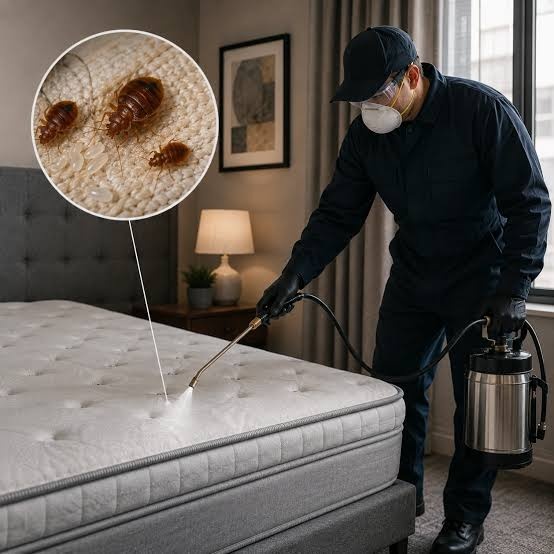
If you are also dealing with other household pests, it is important to address each infestation with the appropriate treatment strategy. For example, homeowners searching for bedbug treatment toronto or toronto bedbug extermination should use solutions specifically designed for bed bug infestations, as treatment methods differ significantly from those used for ants.
For trusted pest management information and assistance, you can contact Pestbye Pest Control Canada.
Business Name: Pestbye Pest Control Canada
Address: 1915 Denmar Rd, Pickering, ON L1V 3E1
Phone: (647) 244-4326
Website: http://pestbye.ca/