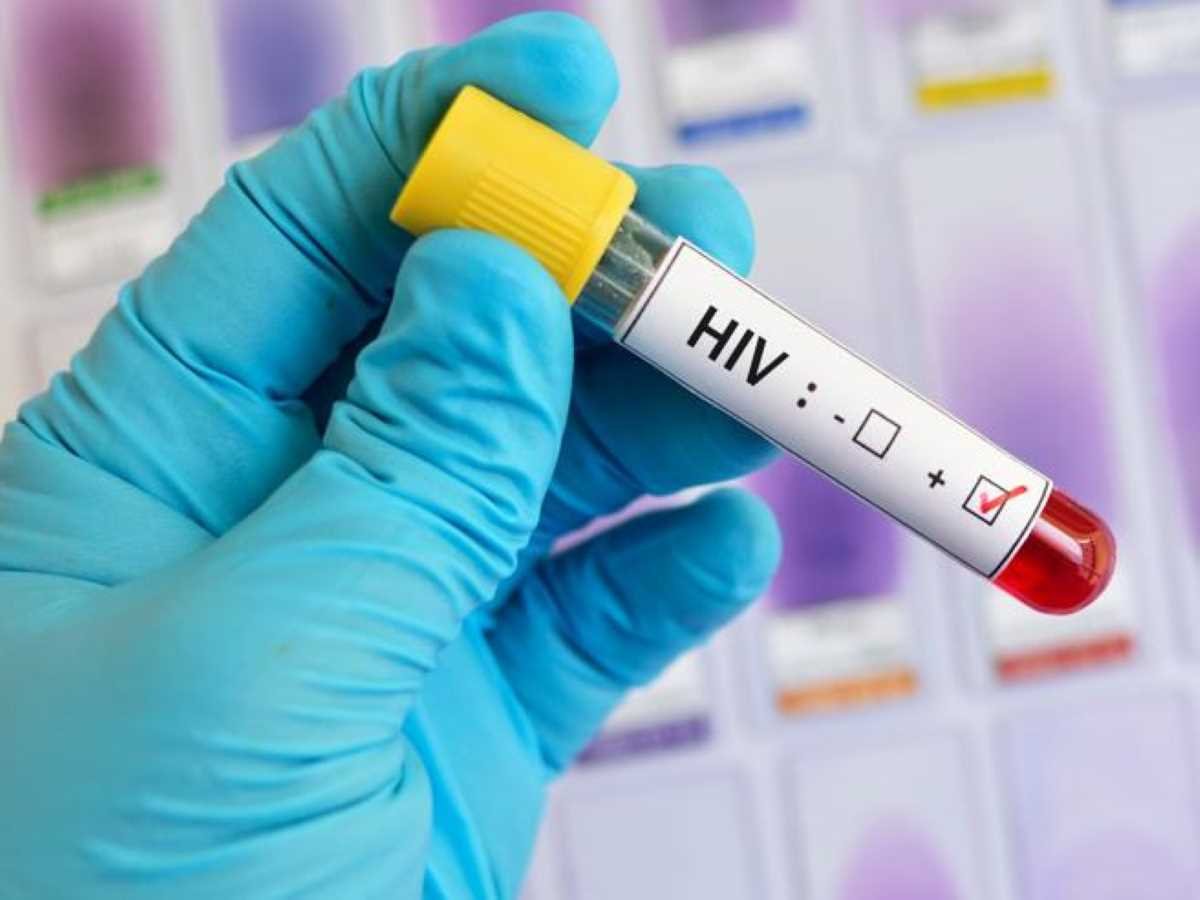
Despite major advances in medical science, misinformation about HIV/AIDS continues to circulate widely. Many people still rely on myths, outdated beliefs, or incomplete information when it comes to HIV blood testing, which can delay diagnosis and increase health risks.
An HIV Blood Test in Dubai is one of the most accurate and well-studied diagnostic tools in modern medicine, yet confusion persists about how it works, when it should be taken, and what results actually mean. Separating fact from fiction is essential for encouraging timely testing, reducing stigma, and improving public health outcomes.
This article breaks down common myths and replaces them with evidence-based explanations so that individuals can make informed health decisions.
HIV Can Be Diagnosed Immediately After Exposure:
The Reality of the Window Period
One of the most widespread misconceptions is that infection with HIV/AIDS can be detected immediately after exposure. In reality, the body needs time to produce detectable markers such as antibodies, antigens, or viral RNA.
This delay is known as the window period. Depending on the type of test, detection may take anywhere from a few days (PCR-based tests) to several weeks (fourth-generation tests) or up to 12 weeks for antibody-only tests.
Understanding this biological timeline is crucial for interpreting HIV blood test results correctly and avoiding false reassurance.
A Negative Test Means You Are Always HIV-Free:
Timing Matters More Than a Single Result
Many people assume that a single negative HIV test guarantees they are not infected. However, this is only true if the test is taken outside the window period and no new exposure has occurred.
If testing is done too early, infection with HIV/AIDS may not yet be detectable. For this reason, healthcare professionals often recommend repeat testing after potential exposure to confirm results.
A negative result is highly reliable when timing and risk factors are properly considered, but it is not absolute without context.
HIV Blood Tests Are Painful and Complicated:
Modern Testing Is Quick and Routine
Another common myth is that HIV testing is painful or complex. In reality, the procedure is similar to any standard blood draw and takes only a few minutes.
Most healthcare facilities use advanced laboratory systems to process samples efficiently, making HIV blood testing a routine part of preventive healthcare. Rapid testing options also provide results within minutes in some settings.
The simplicity of the process helps encourage more people to get tested for HIV/AIDS without fear or hesitation.
Only High-Risk Groups Need HIV Testing:
HIV Can Affect Anyone
A major misconception is that HIV testing is only necessary for specific groups. In reality, anyone who is sexually active or has potential exposure can benefit from screening.
While certain behaviors increase risk, infection is not limited to any single demographic. Routine testing is recommended in many healthcare guidelines to ensure early detection of HIV/AIDS.
Normalizing testing for all adults helps reduce stigma and improves public health outcomes.
You Can Diagnose HIV Based on Symptoms Alone:
Symptoms Are Not Reliable Indicators
Some individuals believe that symptoms such as fever, fatigue, or weight loss can confirm HIV infection. However, these symptoms are not specific and can be caused by many other conditions.
Early infection with HIV/AIDS is often asymptomatic, meaning individuals may feel completely healthy while still being infected.
Only an HIV blood test can accurately confirm or rule out infection, making laboratory testing essential for diagnosis.
HIV Test Results Are Not Confidential:
Strict Privacy Protections Are in Place
There is a common fear that HIV test results may be shared without consent. In reality, medical confidentiality laws strictly protect patient information.
Healthcare providers are legally and ethically required to keep results private. Only authorized personnel involved in care can access HIV blood test results.
Confidentiality encourages more individuals to get tested for HIV/AIDS without fear of stigma or discrimination.
A Positive Result Means Immediate Illness or Death:
HIV Is Now a Manageable Condition
In the past, HIV infection was associated with severe outcomes, but medical advancements have transformed its management. Today, antiretroviral therapy allows individuals to live long, healthy lives.
A positive HIV blood test does not mean immediate illness. It means that the virus has been detected and requires medical management.
With early treatment for HIV/AIDS, many people achieve viral suppression and maintain normal life expectancy.
HIV Can Be Spread Through Casual Contact:
Transmission Requires Specific Conditions
Another persistent myth is that HIV can be transmitted through casual contact such as hugging, sharing utensils, or using public spaces.
In reality, HIV/AIDS is transmitted through specific body fluids like blood, semen, vaginal fluids, and breast milk under particular conditions.
It cannot be spread through casual physical contact, air, water, or food. This misunderstanding contributes significantly to stigma surrounding HIV testing.
Rapid Tests Are Not Reliable:
High Accuracy With Proper Confirmation
Rapid HIV tests are often misunderstood as unreliable. While they are slightly less sensitive in very early infection, they are still highly accurate for screening purposes.
Any reactive rapid test result is always followed by confirmatory laboratory testing to ensure accuracy for diagnosing HIV/AIDS.
This two-step process ensures both speed and reliability in modern HIV diagnostics.
Once You Test, You Don’t Need to Test Again:
Regular Testing Is Part of Preventive Health
Many people believe a single HIV test is enough for life. However, testing frequency depends on ongoing risk factors and lifestyle changes.
Since exposure can occur at any time, repeated HIV blood testing may be recommended for sexually active individuals or those with higher risk profiles.
Regular screening ensures early detection of HIV/AIDS and timely intervention.
The Importance of Evidence-Based Awareness:
Misinformation about HIV testing can delay diagnosis, increase transmission risk, and reinforce stigma. Replacing myths with scientific facts helps individuals make informed decisions about their health.
Understanding how HIV blood tests work, when to take them, and what results mean empowers people to seek timely care and protect themselves and others.
Conclusion:
Separating fact from fiction in HIV Lab tests is essential for improving both individual and public health outcomes. Modern diagnostic tools for HIV/AIDS are accurate, accessible, and supported by decades of scientific research.
By addressing myths directly and relying on evidence-based information, individuals can overcome fear, reduce stigma, and embrace HIV blood testing as a normal part of healthcare.
Ultimately, accurate knowledge leads to earlier diagnosis, better treatment outcomes, and a healthier society.