Professional wound care requires careful assessment, hygiene, appropriate dressing materials, and consistent monitoring. Wound Dressing at Home in Dubai gives patients the opportunity to receive professional wound-care support in familiar surroundings without the inconvenience of repeated travel to a healthcare facility. With guidance from a Doctor at Home, nurses can follow an individualized care plan and provide appropriate dressing assistance based on the patient’s wound and recovery needs. Professional nursing support can be particularly valuable for surgical wounds, chronic ulcers, pressure injuries, diabetic wounds, and injuries requiring regular dressing changes.
Assessing the Wound Before Dressing:
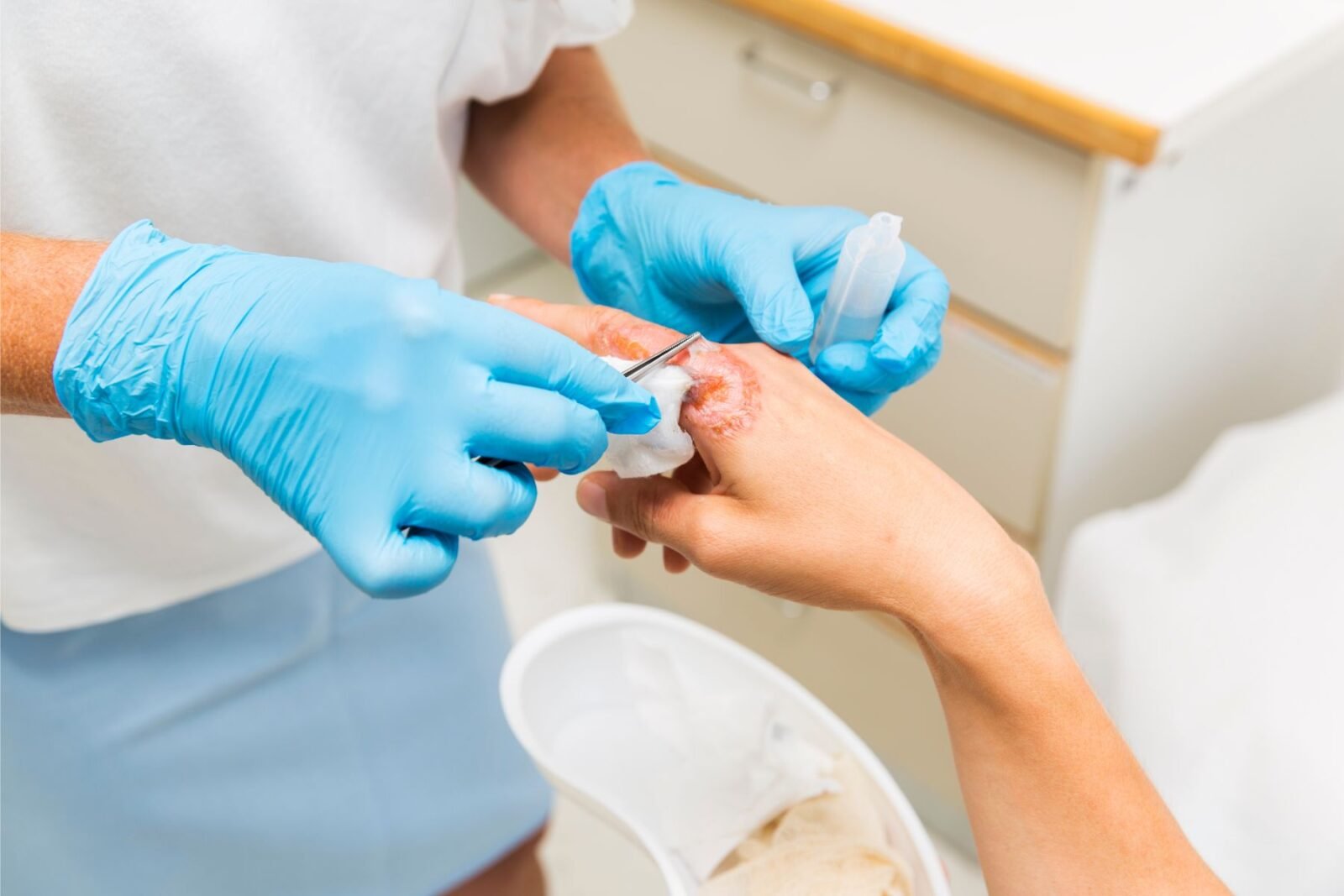
Before beginning a dressing change, a nurse assesses the wound and the surrounding skin. The assessment helps determine the wound’s current condition and whether the existing dressing approach remains appropriate. Depending on the situation, the nurse may observe the wound’s size, appearance, drainage, surrounding redness, swelling, tissue condition, and reported discomfort. Any significant change from previous observations may be documented and communicated to the appropriate healthcare provider. This assessment is an important step because wound care should be adapted to the patient’s current condition rather than performed mechanically.
Preparing a Clean Treatment Area:
A clean, organized treatment environment helps reduce unnecessary contamination during wound care. The nurse prepares an appropriate surface for supplies and ensures that the patient is positioned comfortably with adequate access to the wound. Good lighting is also important because it allows the wound and surrounding skin to be observed clearly. Household activities, pets, food, and unnecessary interruptions should be kept away from the treatment area during the procedure.
A suitable environment should have:
- A clean and stable working surface
- Adequate lighting
- Enough space for the nurse to work
- Comfortable patient positioning
- Easy access to required supplies
- Appropriate waste-disposal arrangements
Performing Proper Hand Hygiene:
Hand hygiene is a fundamental part of safe wound dressing. The nurse cleans their hands appropriately before handling wound-care supplies and before beginning the procedure. Gloves may be used according to the wound-care requirements and infection-control practices. Hands should also be cleaned after the dressing procedure and after handling used materials. Maintaining proper hand hygiene throughout the process helps reduce avoidable contamination.
Preparing the Required Supplies:
Nurses prepare the materials needed for the dressing change before starting whenever possible. Depending on the wound and prescribed care plan, supplies may include sterile gauze, wound dressings, gloves, medical tape, cleansing solutions, absorbent materials, and appropriate disposal bags. The nurse checks supplies before use and avoids using products with damaged packaging. Having materials ready helps minimize interruptions and prevents unnecessary exposure of the wound.
Removing the Previous Dressing Carefully:
The existing dressing is removed carefully to avoid unnecessary discomfort or damage to healing tissue. Some dressings may adhere to the wound, particularly when drainage has dried around the material. Nurses use appropriate techniques based on the dressing and wound condition rather than pulling aggressively. If the patient experiences significant discomfort, they should communicate this immediately. The removed dressing is handled as used material and disposed of appropriately.
Cleaning the Wound Appropriately:
After removing the old dressing, the nurse may clean the wound according to the prescribed care plan. The cleansing method depends on the type, location, depth, and condition of the wound. Cleaning should be appropriate and gentle rather than unnecessarily aggressive. Nurses avoid using unapproved household substances or harsh products that could irritate healing tissue. The surrounding skin is also considered during cleaning because excessive moisture or repeated irritation can contribute to skin problems.
Selecting the Appropriate Dressing:
The nurse selects a dressing according to the wound’s characteristics and the patient’s treatment plan. Factors such as drainage, wound depth, location, tissue condition, and surrounding skin can influence dressing selection. Different dressings have different purposes, so there is no single product suitable for every wound. As healing progresses, the dressing type may also change. Nurses follow professional recommendations rather than selecting materials based solely on convenience.
Applying the New Dressing Safely:
Once the wound has been appropriately assessed and prepared, the new dressing is applied according to the care plan. The nurse handles the dressing carefully and avoids unnecessary contact with the wound-facing surface. The dressing should adequately cover and protect the wound without creating excessive pressure. Adhesive materials or securing methods should be appropriate for the patient’s skin condition. After application, the nurse checks that the dressing is positioned comfortably and securely.
Protecting the Surrounding Skin:
The condition of the skin around a wound can affect overall wound management. Repeated adhesive use, moisture, drainage, friction, and pressure may cause irritation or skin breakdown. During each dressing change, the nurse can observe the surrounding skin for changes such as redness, excessive moisture, dryness, or irritation. Appropriate protective measures may be recommended when necessary. Patients should report persistent discomfort or skin reactions rather than continuing to use a product that appears to cause problems.
Monitoring for Possible Infection:
A nurse can monitor the wound for signs that may require further medical evaluation. Increasing redness, warmth, swelling, pain, unusual drainage, or unpleasant odor can be concerning. Fever or chills may also indicate a more significant problem. Nurses can document these findings and communicate them to the appropriate healthcare professional according to the patient’s care plan. A dressing change itself does not treat an underlying infection, so suspected infection should receive appropriate medical assessment.
Possible warning signs include:
- Increasing redness around the wound
- Worsening swelling
- Increasing pain or tenderness
- Pus-like drainage
- New unpleasant odor
- Fever or chills
- Significant changes in wound appearance
- Wound edges becoming increasingly separated
Maintaining Appropriate Dressing Frequency:
The timing of dressing changes varies according to the wound and dressing type. Some wounds may require frequent changes, while other dressings can remain in place for a longer period when appropriate. Nurses follow the schedule established by the healthcare provider and adjust care only when clinically indicated or instructed. If a dressing becomes wet, loose, heavily soiled, or damaged, the patient should seek guidance about whether an earlier change is necessary.
Managing Patient Comfort During Treatment:
Wound dressing can sometimes cause anxiety or discomfort, especially when the wound is sensitive or the patient has experienced painful dressing changes in the past. Nurses can explain the procedure, encourage communication, and use appropriate techniques to minimize unnecessary discomfort. Positioning the patient comfortably can also make the procedure easier. Patients should tell the nurse if they experience significant pain, burning, pressure, or other unexpected sensations during treatment.
Supporting Patients With Limited Mobility:
Patients with limited mobility may have difficulty reaching certain wounds or maintaining appropriate positioning during dressing changes. Professional nursing care at home can provide practical assistance while reducing the physical demands associated with traveling to a healthcare facility. Nurses can help position the patient safely and provide wound-care support according to the treatment plan. They can also identify pressure-prone areas and reinforce appropriate instructions for protecting vulnerable skin.
Providing Guidance to Family Caregivers:
Family caregivers may assist with wound care between professional visits, depending on the patient’s needs and the healthcare provider’s instructions. Nurses can explain basic supportive practices, such as hand hygiene, supply organization, dressing protection, and signs that should be reported. Caregivers should not perform procedures beyond their training or instructions. If they are uncertain about a dressing change, they should seek professional guidance rather than experimenting with different techniques.
Documenting Wound Progress:
Consistent documentation can help healthcare professionals understand how a wound is progressing over time. Nurses may record relevant observations such as wound appearance, drainage, surrounding skin condition, and patient-reported discomfort. This information can be useful during follow-up assessments and may help identify changes that require further evaluation. Accurate communication between home-care nurses, patients, caregivers, and the treating medical team supports continuity of care.
Handling Used Materials Safely:
After the new dressing is applied, used gauze, gloves, old dressings, and other disposable materials should be handled and discarded appropriately. Nurses follow applicable infection-control and waste-disposal procedures. Patients and caregivers should keep used materials away from clean supplies and household surfaces. After completing the procedure, the treatment area can be returned to normal use while maintaining appropriate hygiene.
When Professional Wound Dressing Is Important:
Professional nursing support can be particularly useful for wounds that require regular assessment, specialized dressings, or assistance because of limited mobility. It may also benefit patients recovering from surgery or those managing chronic wounds. If a wound becomes increasingly painful, swollen, red, or produces unusual drainage, professional medical assessment should be sought. Severe bleeding, rapidly worsening symptoms, or other urgent concerns require prompt medical attention rather than waiting for a routine dressing visit.
Final Thoughts:
Safe wound dressing at home involves much more than simply replacing a bandage. Wound Dressing at Home in Dubai allows suitable patients to receive structured wound-care support from trained nurses while remaining in a familiar environment. Through careful assessment, hand hygiene, appropriate wound cleaning, suitable dressing selection, safe application, and ongoing monitoring, nurses can help patients maintain a consistent wound-care routine. Patients and caregivers should follow the individualized treatment plan and promptly communicate any significant changes or concerning symptoms to their healthcare provider.