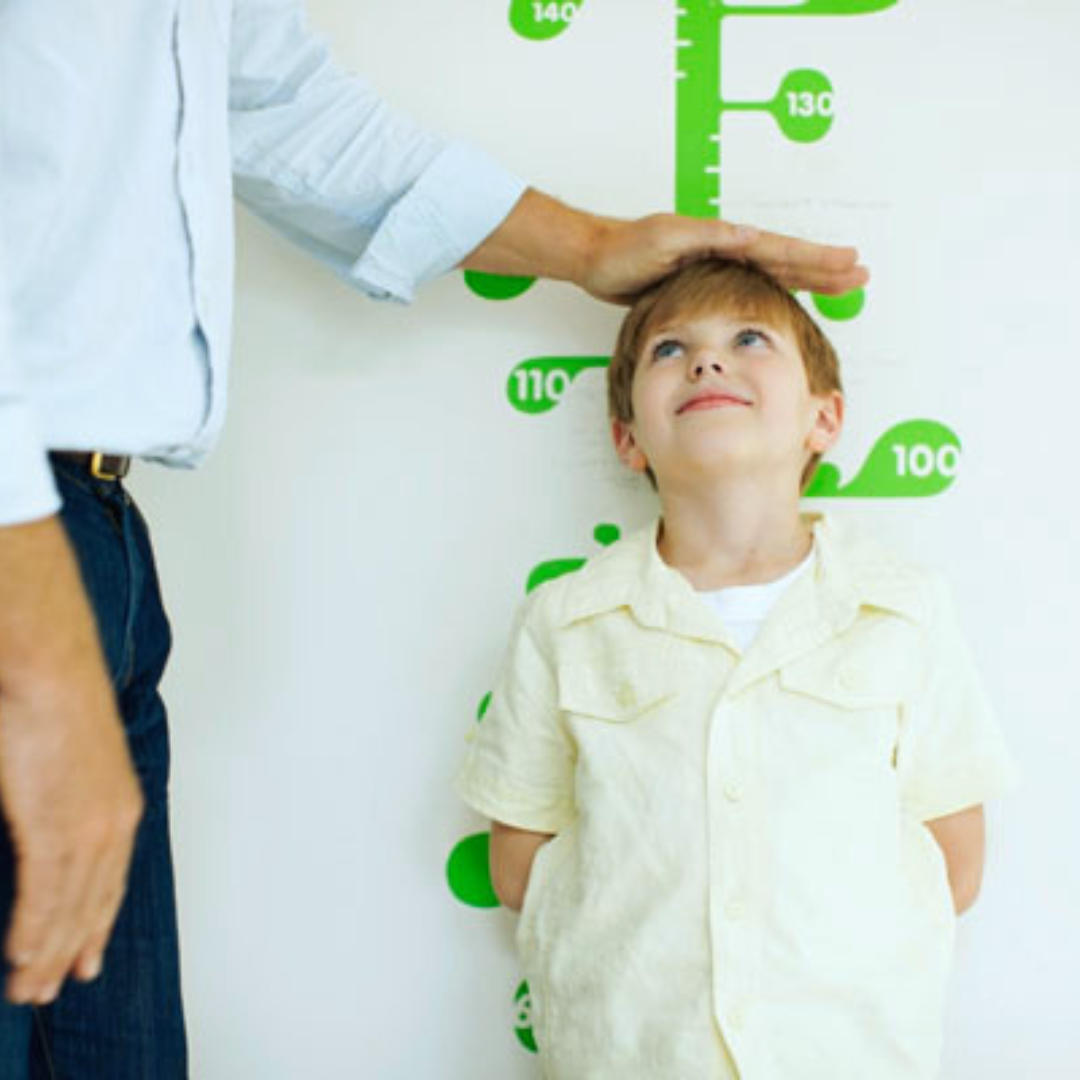
Parents often compare their child’s height and development with other children of the same age. While slight differences are completely normal, significant gaps in growth may sometimes indicate an underlying health concern. Height is influenced by many factors, including genetics, nutrition, hormones, and overall health. When these factors are disrupted, children may experience growth-related challenges that can affect both their physical and emotional well-being.
Understanding when growth patterns are normal and when they require medical attention is essential for ensuring healthy childhood development.
Why Growth Matters Beyond Appearance
Many people view height as simply a physical characteristic, but growth actually reflects the overall functioning of a child’s body. Healthy growth indicates that bones, muscles, hormones, and organs are working together properly.
When growth slows unexpectedly, it can signal nutritional deficiencies, hormonal issues, or chronic health conditions. Monitoring growth allows healthcare providers to identify concerns before they become more serious.
The Role of Nutrition in Physical Development
A child’s body requires a steady supply of nutrients to support bone formation, muscle growth, and tissue repair. Protein, calcium, vitamin D, iron, and zinc are particularly important during periods of rapid development.
Poor eating habits, restrictive diets, and long-term nutritional deficiencies can negatively affect growth. Even children who appear healthy may experience developmental delays if their nutritional needs are not being met consistently.
Hormones: The Body’s Growth Regulators
Hormones act as chemical messengers that coordinate growth and development throughout childhood. Growth hormone and thyroid hormone are especially important.
When hormone production is insufficient, children may experience slower growth rates, delayed puberty, and reduced physical development. Early diagnosis can help ensure these conditions are managed effectively.
Emotional Challenges Associated with Short Stature
Growth-related concerns are not always physical. Children who are noticeably smaller than their peers may face social pressures that affect their self-esteem and confidence.
They may feel different during school activities, sports, or social interactions. Encouragement from parents, teachers, and healthcare professionals plays a crucial role in helping children develop a positive self-image regardless of their height.
Signs That Should Not Be Ignored
Parents should consider medical evaluation if they notice:
- Minimal height increase over several years
- Delayed puberty compared to peers
- Poor weight gain
- Persistent fatigue
- Lack of appetite
- Falling below expected growth patterns
These signs do not always indicate a serious problem, but they deserve professional assessment.
Modern Approaches to Growth Assessment
Today’s healthcare professionals use advanced tools to evaluate growth concerns. Growth charts, hormone testing, nutritional assessments, and bone-age studies provide valuable information about a child’s development.
These evaluations help determine whether growth variations are normal or require treatment.
Supporting Healthy Development at Home
Parents can encourage healthy growth by providing balanced meals, promoting physical activity, ensuring adequate sleep, and attending routine health checkups. Healthy lifestyle habits create the foundation for optimal development throughout childhood and adolescence.
Conclusion
Every child deserves the opportunity to reach their full potential. While growth patterns vary, persistent delays should never be overlooked. Awareness, regular monitoring, and timely medical care can help identify concerns early and support healthier outcomes.
At Allied Pharmacy, we believe that informed families are better equipped to support their children’s health and development. Understanding growth-related concerns is the first step toward building a healthier future.