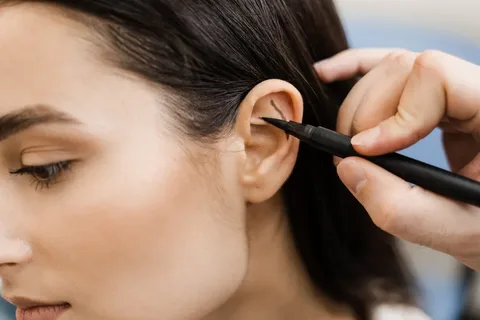
Buccal fat removal is a cosmetic procedure that reduces fullness in the lower cheeks, potentially creating a slimmer and more sculpted facial appearance. People who feel their lower face looks wide or rounded may consider Buccal Fat Removal in Dubai at Dynamic Life Clinic. The procedure may help improve facial contours when prominent buccal fat pads contribute to the width. However, it does not narrow the jawbone or change the underlying facial structure, so the results depend on the actual cause of the wide appearance.
Understanding the Causes of a Wide Lower Face
A wide lower face can result from several anatomical features. These include prominent buccal fat pads, a broad jawbone, enlarged masseter muscles, excess fat beneath the skin, or a combination of these factors. Some people naturally have wider facial proportions because of their genetics and bone structure. Identifying the main cause is essential because buccal fat removal only targets specific fat compartments inside the cheeks and cannot correct every reason for lower-face width.
How Buccal Fat Removal Reduces Cheek Fullness
Buccal fat removal involves reducing selected portions of the buccal fat pads located deep within the lower cheeks. The surgeon generally accesses these fat compartments through small incisions inside the mouth. Carefully removing an appropriate amount of fat can reduce rounded cheek fullness and create a more sculpted appearance. For patients whose lower-face width is partly caused by prominent buccal fat pads, this change may make the face look narrower.
The Difference Between Wide Cheeks and a Broad Jawbone
It is important to distinguish cheek fullness from the actual width of the jawbone. A broad jawbone creates width through the underlying facial skeleton, while prominent buccal fat pads add volume to the lower cheeks. Buccal fat removal can reduce soft-tissue fullness but cannot make the jawbone smaller. Patients whose main concern is a naturally broad or square jaw may need a different treatment approach after a professional assessment.
The Role of Masseter Muscles in Lower-Face Width
The masseter muscles are located near the back of the jaw and help with chewing. In some individuals, these muscles are naturally prominent or become enlarged through frequent clenching or other factors. Enlarged masseter muscles can make the lower face appear wider, particularly around the jaw angles. Buccal fat removal does not reduce muscle size, so it may have limited impact when muscle enlargement is the main reason for a broad facial appearance.
Facial Proportions and Natural Contours
The appearance of a balanced face depends on the relationship between the cheekbones, lower cheeks, jawline, and chin. Reducing buccal fat may create more contrast between these areas when excess cheek fullness is present. However, people with naturally narrow faces or limited cheek volume may develop an overly hollow appearance after surgery. A suitable treatment plan should consider the entire face rather than focusing only on making the lower cheeks smaller.
Factors That Influence the Results
The extent to which buccal fat removal can improve a wide lower-face appearance varies between patients. Several factors influence the outcome:
-
Buccal fat volume: Prominent fat pads may contribute significantly to rounded lower cheeks.
-
Jawbone width: A broad underlying jawbone will remain unchanged after cheek fat removal.
-
Muscle size: Enlarged masseter muscles can contribute to lower-face width independently of cheek fat.
-
Skin elasticity: Skin quality affects how the cheeks adapt after volume reduction.
-
Chin proportions: Chin width and projection influence the overall shape of the lower face.
-
Age and facial volume: Natural fat loss and changes in skin elasticity can affect long-term facial contours.
Checkpoint: Important Considerations Before Buccal Fat Removal
Before choosing surgery to create a narrower facial appearance, patients should understand its limitations and potential risks. Important considerations include:
-
Identify the cause of width: Confirm whether buccal fat, rather than bone structure or muscle size, is responsible for the concern.
-
Preserve natural volume: Excessive fat removal can create hollow cheeks and an aged appearance.
-
Consider long-term changes: Facial fat naturally decreases with age, which may affect the result over time.
-
Review medical history: Discuss existing health conditions, medications, allergies, and oral health with the surgeon.
-
Understand recovery: Swelling, tenderness, and temporary discomfort while chewing may occur.
-
Recognise possible complications: Risks include infection, bleeding, asymmetry, altered sensation, injury to nearby structures, and dissatisfaction with the outcome.
Difference Between Buccal Fat Removal and Other Jawline Treatments
Different treatments address different causes of lower-face width. Buccal fat removal reduces fullness inside the cheeks, while selected jawline or neck liposuction procedures target fat beneath the skin. Other approaches may address prominent jaw muscles or underlying skeletal structure. These treatments are not interchangeable, and combining them is not automatically appropriate. A qualified professional should identify the anatomical source of the concern before recommending a treatment plan.
Personalised Facial Assessment at Dynamic Life Clinic
At Dynamic Life Clinic, patients can discuss concerns about lower-face width and cheek fullness during an individual consultation. A medical professional can assess buccal fat volume, jawbone structure, masseter muscles, chin proportions, and skin quality. This helps determine whether buccal fat removal is likely to create a noticeable improvement or whether another approach may be more suitable. Understanding the limitations, recovery requirements, and possible complications is an important part of making an informed decision.
Frequently Asked Questions
The effect of buccal fat removal on lower-face width depends on the structures responsible for the patient’s facial shape. The following answers address common questions about the procedure.
Can Buccal Fat Removal Make a Square Face Look Slimmer?
It may reduce lower-cheek fullness in people whose square or wide facial appearance is partly caused by prominent buccal fat pads. However, it will not change a square jawbone or enlarged jaw muscles.
Does Buccal Fat Removal Narrow the Jawline?
No, the procedure does not physically narrow the jawbone. It reduces selected fat from the cheeks, which may create a slimmer visual contour in suitable patients.
Can Buccal Fat Removal Help With a Wide Face Caused by Genetics?
It may help when genetics have resulted in prominent buccal fat pads. However, genetically broad cheekbones or jawbones will remain unchanged, so the expected improvement depends on the specific facial features involved.
Is Buccal Fat Removal Suitable for People With Naturally Broad Faces?
Some people with broad faces may be candidates if excessive buccal fat contributes to their lower-cheek fullness. Others may not benefit if their facial width mainly comes from bone structure or muscle size. An individual assessment is necessary.
Will My Face Continue to Look Narrower as I Age After Surgery?
The removed buccal fat generally does not return, but the face continues to change naturally with age. Further facial volume loss and changes in skin elasticity may make the cheeks appear more hollow over time.
Conclusion
Buccal fat removal may help improve the appearance of a wide lower face when prominent buccal fat pads are a major source of cheek fullness. It can create a slimmer and more sculpted contour, but it cannot narrow a broad jawbone or reduce enlarged masseter muscles. The most important step is identifying the actual cause of facial width before choosing treatment. A professional assessment helps determine whether cheek fat reduction can support balanced, natural-looking facial proportions.