Fruit trees are among the most valuable additions to any garden or landscape. They provide shade, seasonal beauty, and fresh harvests while also supporting local ecosystems. One of the reasons fruit trees thrive is the presence of pollinators. Bees play a crucial role in transferring pollen between blossoms, helping trees produce healthy fruit. However, some homeowners become concerned when large numbers of pollinators gather around their trees, especially during flowering seasons or when ripe fruit begins to accumulate.
Understanding why these insects are attracted to fruit trees is the first step toward managing their activity naturally. Blossoms provide nectar and pollen, which serve as important food sources. During blooming periods, trees become highly attractive to foraging pollinators. Later in the season, fallen fruit and exposed juices may continue drawing attention even after flowering ends.
Weather conditions also influence activity levels. Warm temperatures, sunlight, and calm winds encourage pollinators to spend more time visiting flowering plants. Trees located near gardens, vegetable beds, or other nectar-rich landscapes often experience even greater activity because they form part of a larger food network.
It is important to recognize that the presence of pollinators is generally beneficial. The goal should not be eliminating them from the landscape but rather redirecting their attention when activity becomes excessive around areas where people frequently spend time.
Natural Ways to Redirect Bees to Alternative Food Sources
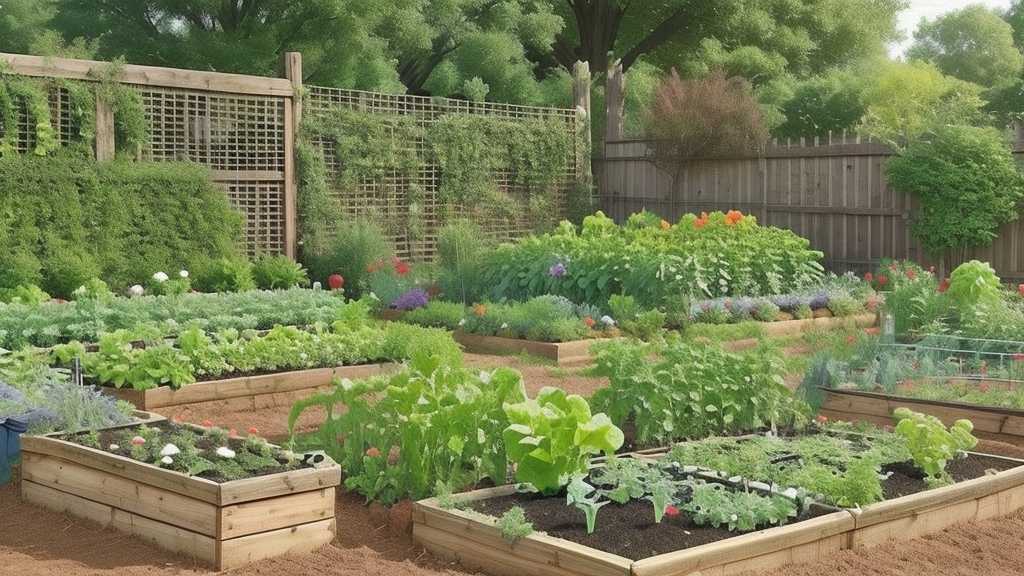
One of the most effective strategies for managing bees around fruit trees is to provide alternative attractions elsewhere on the property. Creating designated pollinator zones allows insects to continue performing their ecological role while reducing concentrated activity around specific trees. Planting flowering species away from fruit trees can encourage pollinators to explore different areas. Native wildflowers, flowering herbs, and ornamental plants often provide abundant nectar and pollen throughout the growing season. By creating attractive feeding locations at a distance, homeowners can naturally influence movement patterns.
Water sources also play a role. Pollinators require hydration, particularly during warm weather. Providing shallow water stations with stones or floating materials for safe landing areas can help direct activity toward designated garden spaces rather than high-traffic areas. Timing is another important consideration. Fruit trees attract the most attention during bloom periods. Understanding seasonal patterns allows homeowners to anticipate increased activity and adjust outdoor activities accordingly. Once flowering decreases, pollinator numbers often decline naturally.
Maintaining healthy alternative habitats supports long-term success. Diverse plantings with staggered bloom times ensure that insects have access to resources throughout the year, reducing reliance on any single food source. Rather than viewing pollinators as a problem, homeowners can work with natural behaviors to encourage more balanced distribution across the landscape.
Managing Fruit Trees to Reduce Excessive Activity
Proper tree maintenance can significantly influence pollinator behavior. While blossoms naturally attract attention, other factors can increase activity unnecessarily. Removing fallen fruit promptly is one of the most effective practices. Overripe fruit releases sweet aromas that attract numerous insects. Regular cleanup helps minimize additional food sources beneath the canopy.
Pruning also contributes to healthier tree management. Improved airflow and sunlight penetration support overall tree health while making inspections easier. Well-maintained trees are generally easier to monitor throughout the growing season. Harvesting fruit at the appropriate time reduces opportunities for insects to gather around damaged or decaying produce. Allowing fruit to remain on branches beyond peak ripeness can increase attraction significantly.
Homeowners who notice unusually large concentrations of pollinators should inspect nearby areas for nesting activity. Sometimes the issue is not the tree itself but a colony located within a wall cavity, shed, fence, or other structure. In situations where professional evaluation becomes necessary, some property owners research a residential bee removal Service in Los Angeles to learn about humane relocation options and environmentally responsible management practices.
Avoiding chemical pesticides is particularly important. Many products harm beneficial pollinators and may negatively affect broader ecosystem health. Natural management strategies are typically safer and more sustainable over the long term. When maintenance practices are combined with alternative habitat creation, fruit trees can remain productive while attracting fewer concentrated visits.
Creating a Balanced Landscape for Pollinators and People
Successful management involves balancing environmental stewardship with practical property use. Pollinators provide valuable ecological services that support food production, biodiversity, and healthy landscapes. Redirecting activity should focus on coexistence rather than removal whenever possible. Landscape design plays a major role in achieving this balance. Positioning seating areas, play spaces, and outdoor gathering zones away from heavily flowering trees can reduce interactions naturally. Strategic planning often proves more effective than reactive solutions.
Education is equally important. Many people fear pollinators because they misunderstand their behavior. In reality, most are focused on collecting resources and have little interest in human activity. Increased awareness helps reduce unnecessary concern and encourages more informed decisions. Gardeners can further support balance by selecting diverse plant species that bloom at different times. This approach distributes pollinator activity more evenly throughout the landscape while improving visual interest and ecological resilience.
Community efforts also contribute to successful outcomes. Neighborhoods that embrace pollinator-friendly gardening practices often experience healthier ecosystems and greater appreciation for local wildlife. By focusing on habitat management rather than elimination, property owners can create environments that benefit both people and pollinators.
Long-Term Strategies for Sustainable Bee Management
Long-term success depends on consistency. Redirecting bees from fruit trees naturally requires ongoing attention to landscaping, maintenance, and environmental conditions. Fortunately, most effective strategies involve simple practices that improve overall property health. Regular inspections help identify changes before they become significant concerns. Monitoring flowering cycles, fruit production, and pollinator activity allows homeowners to adjust management efforts as needed.
Seasonal maintenance should include pruning, fruit cleanup, irrigation monitoring, and landscape evaluation. These activities support healthy trees while reducing factors that contribute to excessive attraction. Supporting biodiversity remains one of the most valuable long-term approaches. Diverse gardens provide multiple food sources and encourage balanced ecological relationships. Pollinators benefit from varied habitats, and homeowners enjoy healthier landscapes.
Environmental awareness continues to grow as more people recognize the importance of conservation. Protecting pollinators while managing their activity responsibly reflects a sustainable approach that benefits entire communities.
Fruit trees naturally attract bees because they provide essential nectar, pollen, and seasonal resources. Rather than relying on pesticides, homeowners can redirect activity through alternative plantings, water management, proper tree maintenance, and thoughtful landscape design. These natural strategies support healthy ecosystems while reducing excessive activity around specific trees. By embracing coexistence and focusing on prevention, property owners can enjoy productive fruit trees while contributing to the protection of valuable pollinator populations.