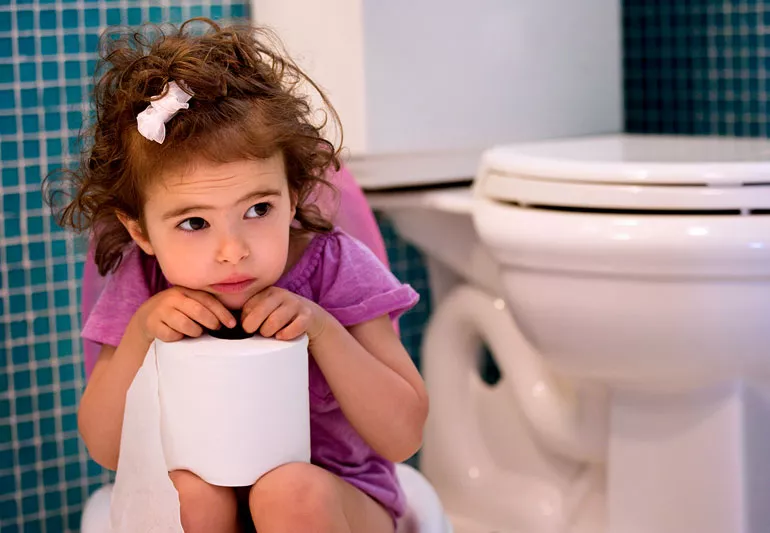
Children often experience different health conditions as they grow, and some of these issues can be difficult for parents to identify early. One condition that deserves attention is a urinary tract infection, commonly known as a UTI. While many people think UTIs only affect adults, they can also occur in infants, toddlers, and older children.
A urinary tract infection in children is a common health concern that can cause discomfort, pain, and other symptoms if not treated promptly. Understanding the causes, symptoms, diagnosis, treatment, and prevention of UTIs can help parents take quick action and protect their child’s health.
What Is a Urinary Tract Infection?
A urinary tract infection occurs when bacteria enter the urinary system and begin to multiply. The urinary system includes:
- Kidneys
- Ureters (tubes connecting kidneys to the bladder)
- Bladder
- Urethra (tube through which urine leaves the body)
Most UTIs affect the bladder and urethra. However, in some cases, the infection can spread to the kidneys, which may lead to more serious complications.
How Common Are UTIs in Children?
UTIs are among the most common bacterial infections in children. They can occur at any age, including infancy. While girls are generally more likely to develop UTIs because of their anatomy, boys can also experience them, especially during infancy.
Early diagnosis and treatment are important because untreated infections can sometimes affect kidney health and overall well-being.
Causes of Urinary Tract Infection in Children
The most common cause of a UTI is bacteria entering the urinary tract. The bacteria often come from the digestive system and reach the urinary opening.
Several factors can increase the risk of infection:
1. Poor Hygiene Habits
Improper cleaning after using the toilet can allow bacteria to spread to the urinary tract.
2. Holding Urine for Long Periods
Children who frequently delay urination may increase their risk of infection because bacteria have more time to multiply in the bladder.
3. Constipation
Constipation can put pressure on the bladder and prevent it from emptying completely, creating an environment where bacteria can grow.
4. Structural Abnormalities
Some children are born with urinary tract abnormalities that make them more susceptible to infections.
5. Incomplete Bladder Emptying
When urine remains in the bladder after urination, bacteria can multiply more easily.
6. Weakened Immune System
Children with certain medical conditions may have a reduced ability to fight infections.
Signs and Symptoms of UTI in Children
Symptoms can vary depending on the child’s age and the location of the infection.
Symptoms in Infants and Young Children
Young children may not be able to explain what they are feeling. Common signs include:
- Fever without a clear cause
- Irritability
- Poor feeding
- Vomiting
- Lack of energy
- Foul-smelling urine
- Poor weight gain
Symptoms in Older Children
Older children may experience:
- Pain or burning during urination
- Frequent urge to urinate
- Passing only small amounts of urine
- Lower abdominal pain
- Back pain
- Cloudy urine
- Blood in urine
- Fever
If a child develops high fever along with back pain, it may indicate a kidney infection and should be evaluated promptly.
Why Early Detection Matters
Many parents may mistake UTI symptoms for other common illnesses. However, delaying treatment can allow the infection to spread.
Potential complications of untreated UTIs include:
- Kidney infection
- Kidney damage
- Recurrent infections
- High fever
- Hospitalization in severe cases
Recognizing symptoms early and seeking medical advice can help prevent these complications.
How Is Urinary Tract Infection Diagnosed?
Healthcare providers use several methods to diagnose a UTI.
Medical History
The doctor will ask questions about:
- Symptoms
- Fever
- Urination habits
- Previous infections
- Family medical history
Physical Examination
A physical examination helps identify signs of infection and assess the child’s overall condition.
Urine Test
A urine sample is usually required to confirm the diagnosis. Tests may include:
Urinalysis
This test checks for:
- White blood cells
- Red blood cells
- Bacteria
- Signs of inflammation
Urine Culture
A urine culture identifies the specific bacteria causing the infection and helps determine the most effective treatment.
Imaging Tests
In children with recurrent infections or suspected urinary tract abnormalities, imaging studies may be recommended, such as:
- Ultrasound
- Voiding cystourethrogram (VCUG)
- Specialized kidney scans
These tests help identify underlying conditions that may contribute to repeated infections.
Treatment for Urinary Tract Infection in Children
Treatment depends on the child’s age, symptoms, and severity of the infection.
Antibiotics
Antibiotics are the primary treatment for bacterial UTIs. The specific medication depends on:
- Child’s age
- Type of bacteria
- Severity of infection
- Medical history
Most children begin to feel better within a few days after starting treatment.
Pain and Fever Management
Doctors may recommend medications to reduce:
- Fever
- Discomfort
- Pain during urination
Increased Fluid Intake
Drinking plenty of fluids helps flush bacteria from the urinary system and supports recovery.
Hospital Treatment
Some children may require hospitalization, particularly if they:
- Are very young infants
- Have severe infections
- Are unable to drink fluids
- Show signs of kidney infection
In such cases, intravenous antibiotics and monitoring may be necessary.
Caring for a Child During Recovery
Parents can support recovery by following these simple steps:
Encourage Hydration
Offer water regularly to help flush bacteria from the urinary tract.
Complete the Full Course of Antibiotics
Even if symptoms improve, the entire prescribed course should be completed to ensure the infection is fully treated.
Monitor Symptoms
Watch for:
- Persistent fever
- Increased pain
- Vomiting
- Reduced urine output
Contact a healthcare provider if symptoms worsen or do not improve.
Promote Rest
Adequate rest helps the body fight infection and recover more effectively.
Preventing Urinary Tract Infection in Children
While not all infections can be prevented, several habits can significantly reduce the risk.
Teach Proper Toilet Hygiene
Girls should be taught to wipe from front to back after using the toilet. This helps prevent bacteria from spreading to the urinary tract.
Encourage Regular Bathroom Visits
Children should avoid holding urine for long periods.
Ensure Good Hydration
Drinking enough water helps maintain healthy urinary function and flush away bacteria.
Manage Constipation
A diet rich in:
- Fruits
- Vegetables
- Whole grains
- Water
can help prevent constipation and reduce UTI risk.
Choose Comfortable Clothing
Loose-fitting cotton underwear can help keep the area dry and reduce bacterial growth.
Maintain Healthy Bathroom Habits
Encourage children to fully empty their bladder whenever they urinate.
Recurrent UTIs in Children
Some children experience repeated urinary tract infections. When UTIs occur frequently, doctors may investigate underlying causes such as:
- Urinary tract abnormalities
- Kidney conditions
- Bladder dysfunction
- Chronic constipation
Managing the root cause is important to prevent future infections and protect long-term urinary health.
When Should Parents Seek Medical Attention?
Parents should consult a healthcare provider if their child experiences:
- Unexplained fever
- Pain during urination
- Frequent urination
- Blood in urine
- Persistent abdominal pain
- Back pain with fever
- Recurrent urinary symptoms
Prompt evaluation allows early treatment and reduces the risk of complications.
Myths and Facts About UTIs in Children
Myth: Only girls get UTIs.
Fact: Although girls are more commonly affected, boys can also develop urinary tract infections.
Myth: UTIs always cause pain.
Fact: Infants and young children may show only fever, irritability, or poor feeding.
Myth: Drinking less water prevents frequent urination.
Fact: Proper hydration actually helps reduce infection risk and supports urinary health.
Myth: UTIs go away on their own.
Fact: Most bacterial UTIs require medical treatment to prevent complications.
Long-Term Outlook
The good news is that most children recover completely from urinary tract infections when diagnosed and treated early. Regular follow-up and healthy habits can help reduce the likelihood of future infections.
Parents who stay informed about symptoms and prevention strategies can play an important role in protecting their child’s urinary health and overall well-being.
Conclusion
Understanding the signs, causes, and treatment options for urinary tract infection in children is essential for every parent. Early recognition and prompt medical care can help prevent complications and ensure a faster recovery. Encouraging healthy hygiene habits, adequate hydration, and regular bathroom routines can significantly reduce the risk of future infections.
If your child experiences symptoms that may indicate a urinary tract infection, seeking professional medical advice is important. For expert evaluation, diagnosis, and guidance, consult Dr. Mahesh Katre, who can provide personalized care to support your child’s urinary health and overall development.