Introduction
Every homeowner wants to enjoy a home that is clean, comfortable, and free from unwanted pests. Unfortunately, insects and rodents can enter a property at any time of the year. Once they find food, water, and shelter, they often settle in and become difficult to remove pest without proper action. A small pest problem can quickly grow into a larger infestation if it is ignored.
Many pests stay hidden during the early stages of an infestation. They may live inside walls, crawl spaces, attics, or basements without being noticed. By the time you see them regularly, they may already have established nests or breeding areas. Learning how to identify early warning signs and following simple prevention methods can help protect your home and avoid costly repairs in the future.
Why Pests Enter Homes
Pests do not enter homes by accident. They are constantly searching for places that provide everything they need to survive. A home offers warmth during cold weather, protection from predators, and easy access to food and water.
Even tiny openings around doors, windows, vents, and utility lines can become entry points. Once inside, pests look for quiet places where they can hide without disturbance. Basements, attics, storage rooms, and wall cavities often provide ideal nesting locations.
Outdoor conditions also influence pest activity. Heavy rain, extreme heat, or colder temperatures encourage many insects and rodents to move indoors. Understanding these behaviors helps homeowners take preventive action before infestations begin.
Common Pests Found Around Residential Properties
Different pests become active throughout the year. Ants are among the most common household invaders during spring and summer. They usually search for sugary foods, crumbs, and moisture inside kitchens and dining areas.
Mice and rats often enter homes as temperatures begin to fall. They can squeeze through surprisingly small openings and build nests inside insulation, ceilings, and wall spaces. Their constant chewing may damage furniture, wiring, and stored belongings.
Cockroaches prefer warm, humid environments where food and water are available. Bathrooms, kitchens, and laundry rooms often provide ideal conditions. Spiders are frequently found in garages, basements, closets, and quiet corners where insects are plentiful.
Wasps commonly build nests under roof edges, porches, sheds, and decks. While they are beneficial outdoors, nests close to living areas may create safety concerns, especially for children and anyone with allergies.
Each pest creates different challenges, making early identification an important part of effective prevention.
Signs That May Indicate a Pest Problem
Many infestations develop slowly, making early warning signs easy to overlook. Paying attention to small changes around your property can help detect problems before they become serious.
Rodent droppings are one of the clearest indicators of mice or rat activity. You may also notice scratching sounds behind walls or above ceilings, especially during the evening when rodents become more active.
Chewed food packaging, damaged insulation, and bite marks on wood or electrical wires should never be ignored. Ants often appear in organized trails leading toward food or water sources.
Cockroach activity may be identified by unpleasant odors, shed skins, and small droppings in hidden areas. Outdoors, expanding wasp nests should be monitored carefully because they grow rapidly during warmer months.
Any repeated pest sightings deserve prompt attention before populations increase further.
Easy Prevention Tips Every Homeowner Can Follow
Preventing pests usually begins with simple daily habits. Keeping kitchens clean is one of the most effective ways to discourage insects. Wipe countertops, sweep floors regularly, and store food inside sealed containers.
Repair leaking faucets, pipes, and appliances that create excess moisture. Many insects depend on damp conditions to survive, making water control an important prevention step.
Seal cracks around doors, windows, foundations, and utility pipes. Even very small gaps provide easy access for insects and rodents. Weather stripping and quality sealants help reduce entry opportunities.
Outdoor maintenance also plays an important role. Keep lawns trimmed, remove piles of leaves, and avoid storing firewood directly against the home. Trim tree branches and shrubs that touch exterior walls because they create natural bridges for climbing pests.
Dispose of household garbage regularly and use bins with tightly fitting lids. Maintaining both indoor and outdoor cleanliness creates an environment that is much less attractive to pests.
The Benefits of Professional Pest Management
Although many homeowners try to solve pest problems themselves, some infestations require more than basic sprays or traps. Store-bought products often treat only the pests that are visible while hidden nests continue growing unnoticed.
Professional inspections identify where pests are entering, where they are nesting, and what conditions allow them to survive. Addressing these root causes provides more reliable long-term results.
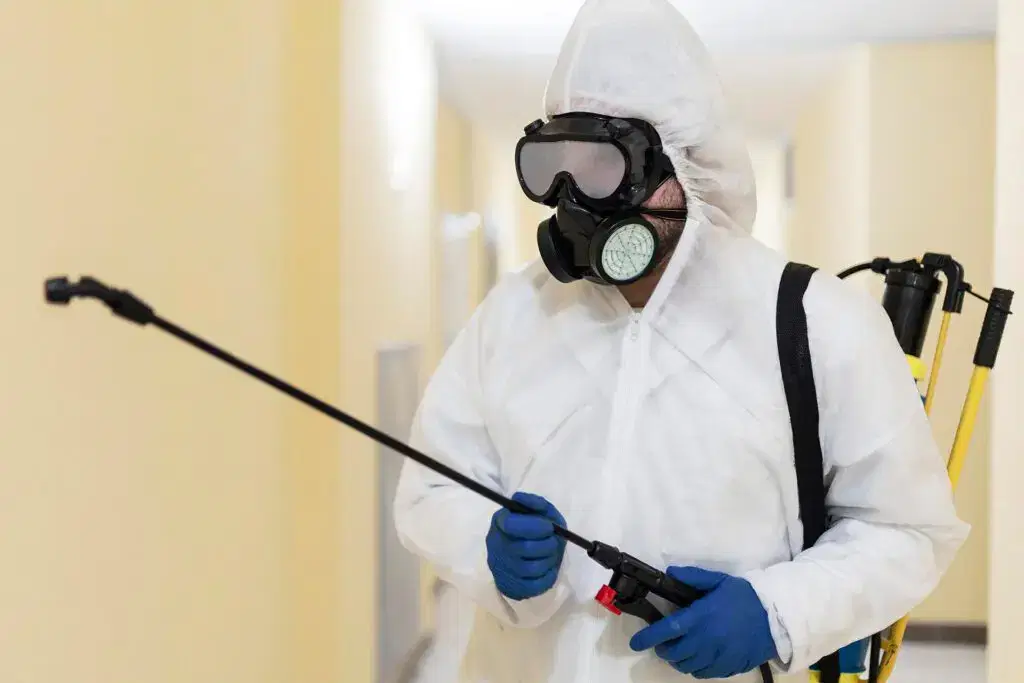
Experienced technicians also understand the behavior of different pests. They choose treatment methods based on the specific infestation rather than applying one solution to every situation. This targeted approach improves effectiveness while supporting safe application practices.
Regular inspections also help detect new problems before they develop into larger infestations that require more extensive treatment.
Seasonal Pest Prevention
Each season presents different pest concerns. Spring usually brings increased insect activity as temperatures rise. Ants, spiders, and other insects begin searching for food and nesting areas.
Summer creates favorable conditions for wasps, flies, and outdoor insects. Gardens, patios, and outdoor eating areas become more active, increasing opportunities for pests to move closer to homes.
Autumn encourages rodents to seek warmth indoors before winter arrives. This is one of the best times to inspect your home’s exterior and seal potential entry points.
Winter does not eliminate pest activity completely. Rodents and certain insects remain active indoors where food and shelter continue to be available. Year-round prevention provides the most reliable protection.
Creating a Healthier Home Environment
Keeping pests under control helps protect more than your property. It also supports a cleaner and healthier indoor environment for everyone living in the home. Fewer pests mean less contamination of food, reduced exposure to bacteria, and lower risk of property damage.
Routine maintenance also improves comfort by preventing unpleasant odors, unwanted noises, and unexpected pest encounters. Families can enjoy greater peace of mind knowing their home remains well protected throughout every season.
Good pest prevention becomes part of responsible homeownership. Small maintenance efforts performed regularly often prevent much larger problems later.
Frequently Asked Questions
What is the first sign of a pest infestation?
The first signs often include droppings, unusual sounds, damaged food packages, insect trails, or repeated sightings of pests inside the home.
Can pests damage my property?
Yes. Rodents may chew electrical wiring and insulation, while insects can damage wood, food supplies, and stored belongings.
Does weather affect pest activity?
Yes. Changes in temperature, rainfall, and seasonal conditions often influence when different pests become active.
How can I make my home less attractive to pests?
Keep your home clean, remove moisture, seal entry points, maintain your yard, and store food properly to reduce pest attraction.
Is regular pest prevention worthwhile?
Yes. Preventive maintenance helps identify problems early and reduces the chance of expensive infestations developing later.
Conclusion
Protecting your home from unwanted pests requires consistent care, regular inspections, and good maintenance habits throughout the year. By recognizing early warning signs and following practical prevention steps, homeowners can reduce the risk of infestations and maintain a cleaner, safer living environment. For dependable professional assistance, visit My Pest Exterminator to learn more about reliable pest management solutions for residential and commercial properties.