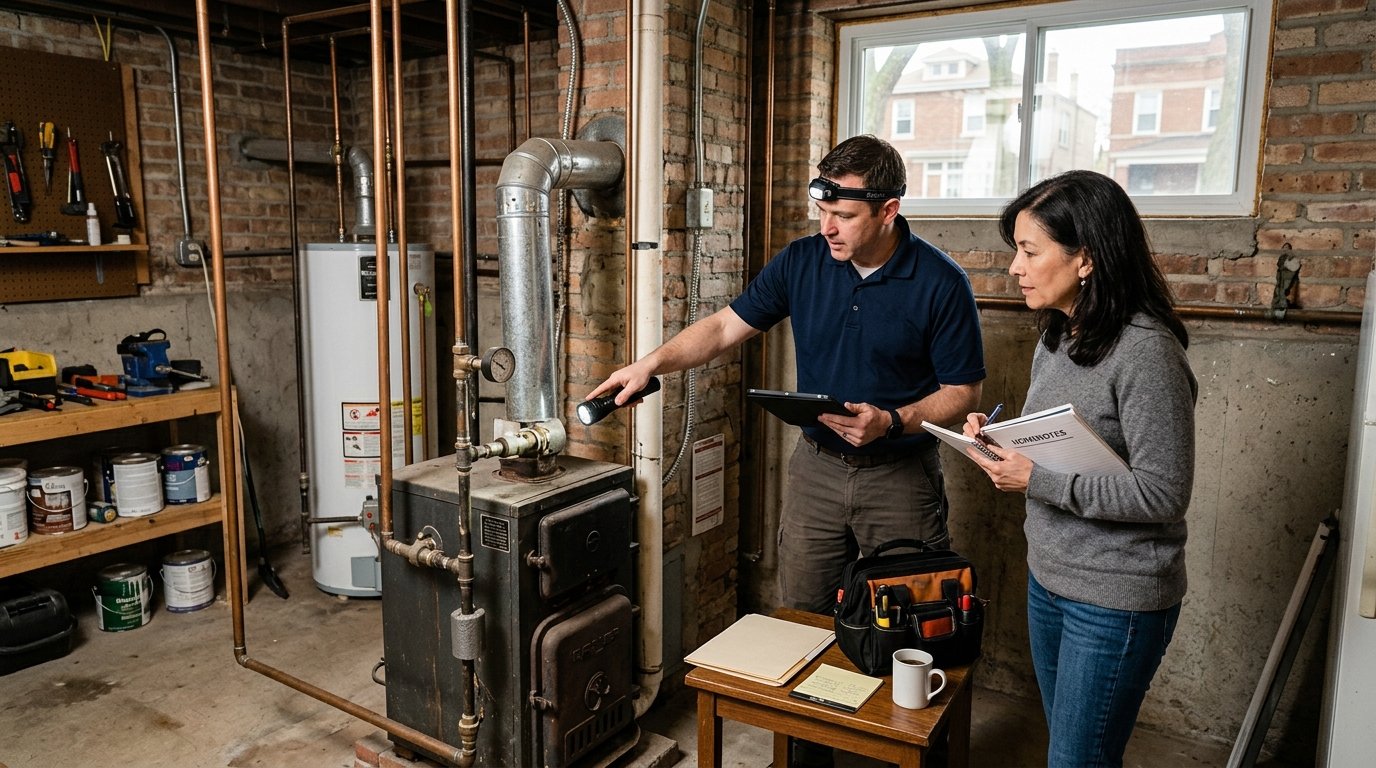
Selling a home in the Chicago area involves more than putting the property on the market and waiting for offers. Buyers often look closely at the condition of a house, and problems that appear during their own inspection can lead to repair requests, price negotiations, or delays. A pre-listing home inspection gives sellers a chance to understand the property’s condition before those issues become part of a buyer’s negotiation.
A seller inspection does not mean every problem needs to be fixed before listing. The goal is to identify meaningful defects, understand which repairs deserve attention, and avoid surprises during the transaction. For homes in older Chicago neighborhoods and nearby suburbs, this can be especially useful because properties may have aging roofs, electrical components, plumbing systems, foundations, or other features that need closer review.
What Is a Pre-Listing Home Inspection?
A pre-listing home inspection is an inspection arranged by the seller before the property is listed for sale. The inspector reviews accessible areas and major systems of the home and documents visible conditions that could matter to a future buyer. The inspection can cover areas such as the roof, exterior, structure, electrical system, plumbing, heating and cooling equipment, attic, basement, and interior components.
The main difference is timing. A typical buyer inspection takes place after an offer or during the purchase process. A pre-listing inspection happens before that stage, giving the seller more control over how the findings are handled. Sellers can decide which issues to repair, disclose, monitor, or simply explain before they begin marketing the property.
Why Should Sellers Inspect Their Home Before Listing?
One of the biggest benefits is knowing what a buyer may discover later. A seller who lists a home without understanding its condition may be surprised when an inspection report identifies a roof defect, moisture issue, damaged wiring, plumbing concern, or other visible problem. That surprise can happen at an inconvenient point in negotiations.
A home inspection before selling also gives sellers time to plan. A repair that seems minor may become more difficult when contractors, buyers, agents, and deadlines are involved. Finding the issue early allows the seller to gather estimates, decide whether the repair is worthwhile, and prepare a more informed listing strategy without making rushed decisions.
What Problems Can a Seller Inspection Reveal?
The findings depend on the property, age, construction, maintenance history, and accessible conditions. An inspection is not a guarantee that every defect will be found, but it can reveal many visible concerns that deserve attention before a sale. Common examples include deteriorated roofing materials, poor drainage, signs of moisture, damaged masonry, unsafe electrical conditions, plumbing leaks, ventilation concerns, and problems with heating or cooling equipment.
Older homes can have additional conditions that are worth understanding before listing. Chicago-area properties may include older construction methods, finished basements, additions, aging mechanical systems, or repairs completed over many years. A seller home inspection can help bring these issues into focus so the owner is not learning about them for the first time after accepting an offer.
Should Sellers Fix Every Problem Found?
No. An inspection report can contain many findings, and not every item has the same effect on a sale. Some conditions may be routine maintenance matters, while others could affect safety, function, water entry, or a buyer’s willingness to move forward. Sellers need to separate minor observations from issues that are more likely to create concern.
A practical approach is to review the findings by severity and cost. Safety-related defects, active leaks, major moisture concerns, significant roof problems, and obvious system failures may deserve more attention than cosmetic imperfections. A seller can also discuss the report with their real estate professional and qualified contractors before deciding what work makes financial and practical sense.
How Does a Pre-Sale Inspection Affect Negotiations?
A pre-sale home inspection can make negotiations more predictable because the seller already has information about the property’s condition. Without that knowledge, a buyer’s inspection may introduce several new issues at once, leaving the seller to respond quickly. The seller may then face requests for repairs, credits, or other concessions without having much time to evaluate them.
Having an inspection before listing does not remove the need for buyer due diligence, and it does not guarantee that a transaction will be free of inspection-related negotiations. However, it can reduce the element of surprise. Sellers can address selected defects before marketing, explain known conditions more clearly, and make decisions with more information rather than reacting after a buyer raises concerns.
Are Older Chicago Homes More Likely to Need a Pre-Listing Inspection?
Older homes can benefit from an early inspection because they may contain more components that have been repaired, replaced, modified, or simply aged over time. That does not mean an older house is automatically in poor condition. Many well-maintained older homes perform well for years, but their condition may be less obvious to a seller who has lived with the property for a long time.
Neighborhood housing stock also varies across Chicago and its suburbs. A brick two-flat, a postwar suburban home, a bungalow, and a newer construction property can have very different inspection concerns. A local inspection can provide useful context about the home’s current condition without assuming that age alone determines what the inspector will find.
What Areas Should Sellers Pay Close Attention To?
Roof and Exterior
The roof is one of the first areas buyers tend to consider because roof defects can lead to water intrusion and expensive repairs. Sellers should also pay attention to gutters, downspouts, flashing, exterior walls, windows, doors, grading, and visible signs of deterioration. Poor drainage around the home can also contribute to moisture concerns in lower levels.
A roof inspection issue may not always require immediate replacement. Sometimes the report points to a smaller repair or maintenance concern. What matters is understanding the condition accurately and addressing defects that could become a major negotiation point later. Sellers can also use the findings to gather professional repair information before listing.
Basement and Foundation
Basements deserve close attention in many Chicago-area homes. Water stains, damp areas, cracks, musty odors, damaged materials, or signs of previous moisture can raise questions during a sale. Not every stain indicates an active water problem, so sellers should avoid assuming the cause without a proper evaluation.
Foundation walls and floors should also be reviewed for visible defects that may need further attention. If a concern appears significant, a home inspector may recommend evaluation by an appropriate specialist. Early awareness gives the seller time to understand the issue instead of discovering it during the buyer’s inspection period.
Electrical and Plumbing Systems
Electrical and plumbing components can create problems during a transaction when defects are discovered late. Sellers may want to understand the condition of visible wiring, electrical panels, outlets, fixtures, shutoff valves, supply lines, drains, and other accessible components. Older properties may contain systems that have been modified over several renovation projects, making an inspection useful for identifying visible concerns.
A seller should not assume that an older component automatically needs replacement. The inspection process is about observing condition and identifying concerns, not making unsupported guesses about hidden conditions. Where a specialist is needed, the report can help point the seller toward the right type of follow-up evaluation.
How Can Sellers Prepare for the Inspection?
Preparation starts with making the home accessible. Areas such as the attic, basement, utility spaces, electrical panel, mechanical equipment, and other inspection points should not be blocked by stored items when practical. Clear access allows the inspector to review more of the home and reduces the chance that an area cannot be inspected because it is inaccessible.
It also helps to gather records that may provide useful background, such as receipts for major repairs, recent roof work, HVAC service, plumbing projects, or remodeling. These records do not replace an inspection, but they can help explain the home’s maintenance history. Sellers should also mention known issues honestly rather than assuming a visible problem will go unnoticed.
What Happens After the Inspection?
The next step is to review the findings and decide what action makes sense. Some items may need no immediate work, while others may justify repair, specialist evaluation, or additional documentation. The seller can prioritize the findings instead of treating every observation as equally urgent.
For homeowners who are preparing to sell in the Chicago area, working through the report before listing can make the next stage easier to manage. A seller who understands the property’s condition can discuss repair priorities with contractors and make better-informed decisions with their agent. Those who need an inspection can also arrange a home inspection as part of their preparation process.
Can a Pre-Listing Inspection Help Homes Sell Faster?
An inspection by itself does not determine how quickly a home will sell. Market conditions, pricing, location, property condition, presentation, and buyer demand all play a role. The more useful benefit is that the seller may have fewer unknowns to deal with once the home is under contract.
A seller may also have a cleaner process when known issues have already been reviewed. Instead of learning about a problem from a buyer and trying to investigate it under a deadline, the seller can enter negotiations with a clearer understanding of the property’s condition. That preparation can be valuable even when the inspection reveals issues that are not repaired before listing.
Is a Seller Inspection Different From a Buyer Inspection?
The inspection process can be similar, but the purpose and timing are different. A buyer typically orders an inspection to learn about a property they are considering purchasing. A seller orders an inspection to identify conditions before putting the property on the market.
Neither inspection should be treated as a guarantee about future performance. An inspection is based on observable and accessible conditions at the time of the inspection. Hidden defects, concealed components, and conditions that were not observable may fall outside the inspection’s scope. Understanding that limitation helps sellers use the report properly.
When Should You Schedule a Pre-Listing Inspection?
The best time is generally before the home is actively marketed, especially when you need time to review findings and consider repairs. Scheduling too close to closing can reduce the practical value because there may be little time to investigate significant concerns.
For sellers in suburban communities such as Naperville, an early inspection can be part of a broader property-preparation process. The key is not simply getting a report. It is giving yourself enough time to understand the findings and make decisions without the pressure of an active buyer negotiation.
FAQs
Is a pre-listing home inspection required when selling a house?
A pre-listing inspection is generally an optional step rather than a standard requirement for every home sale. Sellers should still follow applicable disclosure and transaction requirements for their situation.
How long before listing should a seller schedule an inspection?
Scheduling the inspection before the home goes on the market gives the seller more time to review findings and handle any repairs or specialist evaluations that may be appropriate.
Does a seller inspection replace the buyer’s inspection?
No. A buyer may still choose to arrange their own inspection during the purchase process, even when the seller has already completed one.
Should I repair everything before selling my home?
Not necessarily. Sellers can prioritize findings based on safety, condition, likely buyer concerns, cost, and the property’s overall situation. Some minor items may not justify major repair work.
Can an inspection find hidden problems?
An inspection can identify many visible concerns, but it is not designed to guarantee detection of concealed or inaccessible defects. Further evaluation may be needed when an inspector observes signs of a potential problem.
Final Thoughts
A pre-listing home inspection gives sellers useful information before a buyer enters the picture. Instead of discovering major concerns during negotiations, homeowners can review the property’s condition early and decide which issues deserve attention. That can lead to better planning, fewer surprises, and a clearer understanding of what they are putting on the market.
The goal is not to make every home look perfect. It is to understand the property as it exists today and make sensible decisions from that information. Sellers preparing a Chicago-area home can also contact the inspection team to discuss the inspection process and determine what type of inspection fits their property.