Understanding Sciatica and Why It Feels So Different
Sciatica is a term many people hear when they have pain that starts in the lower back or hip and travels down one leg. It may feel like a sharp ache, burning sensation, tingling, numbness, or weakness. For some people, the pain comes and goes. For others, it can make walking, sitting, sleeping, driving, or working feel very difficult.
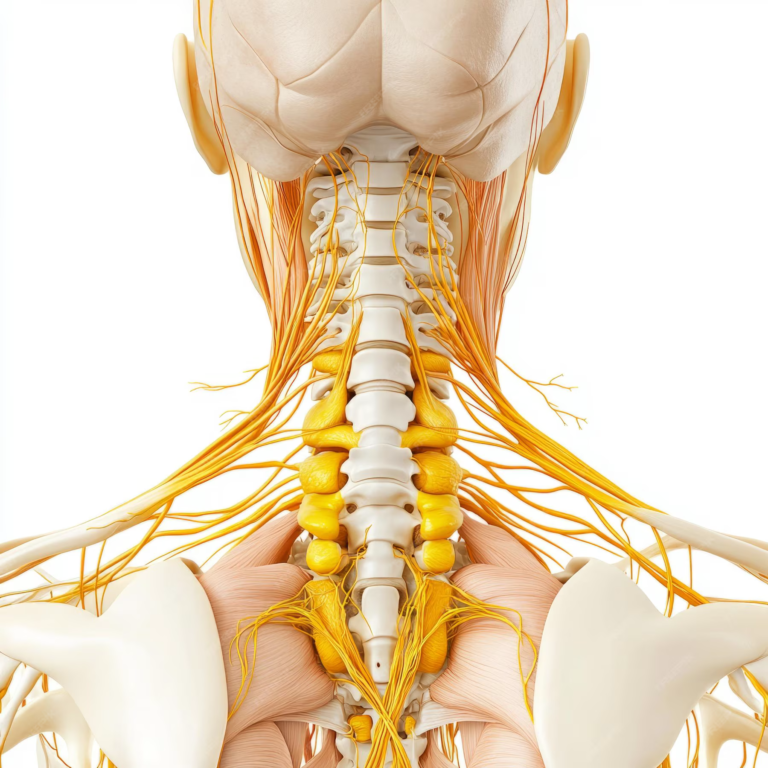
The sciatic nerve is the largest nerve in the body. It travels from the lower back through the hips and down the legs. When this nerve becomes irritated or compressed, it can create symptoms along its path. This is why sciatica often feels different from regular lower back soreness.
A Sciatica treatment Denver chiropractor may help people explore whether spinal movement, posture, muscle tension, or joint stress could be connected to their discomfort. Because sciatica can have several causes, a careful evaluation is important before starting any type of care.
Common Signs That May Point to Sciatica
Sciatica symptoms can vary from person to person. Some people feel pain only in the lower back or hip, while others feel it move down the thigh, calf, or foot. The pain may be mild and annoying, or it may feel strong enough to limit normal activities.
Tingling or pins-and-needles sensations are common. Some people also notice numbness in part of the leg or foot. In more serious cases, a person may feel weakness when trying to stand, walk, or lift the foot.
Sciatica usually affects one side of the body, but not always. Sitting for long periods, coughing, sneezing, bending, or lifting may make symptoms worse. If you notice these signs, it is helpful to speak with a qualified healthcare provider who can determine what may be causing the pain.
What Can Cause Sciatic Nerve Irritation
Sciatica is not a condition by itself. It is a group of symptoms caused by pressure or irritation affecting the sciatic nerve. One possible cause is a disc problem in the lower back. Spinal discs act like cushions between the bones of the spine. If a disc bulges or presses on a nearby nerve, it may create pain that travels into the leg.
Other causes may include spinal joint changes, tight muscles around the hips, narrowing of spaces in the spine, or injury. Poor posture and repetitive movements may also add stress to the lower back over time.
Long periods of sitting can be especially difficult for some people. Sitting may place pressure on the lower back and hips, especially when posture is poor. A Sciatica treatment Denver chiropractor may look at these habits as part of a full assessment.
Why a Detailed Evaluation Matters
Sciatica symptoms can sometimes feel similar to other health problems. That is why a detailed evaluation is important. A chiropractor may ask when the pain began, where it travels, what movements make it worse, and whether you have noticed numbness, weakness, or changes in balance.
They may also ask about work habits, exercise, sleep, past injuries, and previous back problems. During the physical exam, they may check posture, range of motion, muscle tension, leg strength, reflexes, and spinal movement.
In some cases, imaging or medical testing may be needed. This can help rule out more serious concerns and guide the best type of care. A good chiropractor should explain findings clearly and refer you to another healthcare provider when needed.
How Chiropractic Care May Support Sciatica Relief
Chiropractic care focuses on the spine, joints, muscles, and nervous system. A Sciatica treatment Denver chiropractor may look for areas in the lower back, hips, or pelvis that are not moving well or are placing extra stress on nearby nerves.
The goal is often to improve movement, reduce muscle tension, and support better posture. Care may include gentle spinal adjustments, soft tissue work, stretching guidance, posture education, and simple exercises. The approach should be based on the person’s symptoms, health history, and comfort level.
Chiropractic care is not meant to replace emergency or medical care when serious symptoms are present. However, for some people with mild to moderate sciatica, it may be one part of a broader plan to support better movement and daily comfort.
Gentle Techniques for Lower Back and Hip Pain
Many people with sciatica worry that treatment may make their pain worse. Gentle chiropractic techniques can be helpful for people who prefer a softer approach. These methods may use light pressure, careful positioning, or instrument-assisted adjustments instead of forceful twisting.
Soft tissue work may also help reduce tightness in muscles around the lower back, hips, and legs. When muscles are tight, they can add pressure to joints and nerves. Gentle stretching and movement guidance may support better flexibility without overloading the body.
A chiropractor should always explain what they are doing before beginning care. You should feel comfortable asking questions and sharing if a movement feels painful. Care should be adjusted to match your body’s response.
The Connection Between Posture and Sciatica
Posture can affect how the lower back and hips carry weight. When you sit with rounded shoulders, lean to one side, cross your legs for long periods, or slump in a chair, the lower back may be placed under uneven pressure.
Standing posture matters too. Some people shift their weight onto one leg, which can affect the hips and pelvis. Over time, these patterns may lead to muscle imbalance and added stress on the lower back.
A Sciatica treatment Denver chiropractor may check posture as part of the exam. They may offer simple tips for sitting, standing, lifting, and sleeping. Small changes can help reduce strain during daily activities.
Simple Movement Habits That May Help
When sciatica pain is present, it can be tempting to stay in bed or avoid movement. Rest may be helpful for a short time, especially during a painful flare-up, but too much inactivity can make muscles tighter and weaker.
Gentle movement may support recovery for some people. Short walks, easy stretches, and slow changes in position can help keep the body from becoming too stiff. The key is to move within a comfortable range and avoid forcing painful motions.
A chiropractor may suggest exercises that support the lower back, hips, and core muscles. These may include gentle hip stretches, leg movements, or walking routines. The right exercises depend on the cause of symptoms, so it is important to get personal guidance.
Work Habits That Can Reduce Lower Back Strain
Many jobs require long periods of sitting, standing, lifting, or driving. These activities can make sciatica symptoms worse when the body is not supported well. Small work changes may help reduce daily pressure on the lower back.
If you sit at a desk, keep both feet supported and avoid leaning forward for long periods. Place your screen at a comfortable height and use a chair that supports your lower back. Stand up and move every hour, even if it is only for a few minutes.
If your job involves lifting, bend at the knees and keep objects close to your body. Avoid twisting while carrying something heavy. If you drive often, adjust the seat so you can sit upright without reaching too far for the steering wheel.
Sleep Positions and Nighttime Comfort
Sciatica pain can make sleep difficult. Finding a comfortable position may take some trial and error. Many people feel better sleeping on their side with a pillow between their knees. This may help keep the hips and lower back in a more neutral position.
Others may prefer sleeping on their back with a small pillow under the knees. This can reduce pressure on the lower back for some people. Sleeping on the stomach may cause extra strain for certain individuals because it can increase the curve in the lower back.
A supportive mattress and pillow can also make a difference. You do not always need the most expensive option, but your bed should help you rest without creating more pain. Better sleep can support the body’s recovery and make it easier to manage discomfort during the day.
When Sciatica Needs Urgent Medical Care
Some sciatica symptoms need medical attention right away. Seek urgent care if you have sudden severe weakness in the leg, loss of feeling around the groin area, trouble controlling the bladder or bowel, fever, unexplained weight loss, or pain after a serious accident.
These symptoms may point to a condition that needs medical testing or treatment beyond chiropractic care. Do not wait to see if they improve on their own. Fast medical attention can be important in these situations.
A responsible chiropractor should recognize warning signs and refer you to the right healthcare provider. Chiropractic care works best when it is part of safe, informed, and appropriate health support.
Managing Stress While Living With Pain
Living with sciatica can be stressful. Pain may make it harder to work, exercise, sleep, or enjoy time with family. Stress can also cause muscles to tighten, which may make pain feel worse.
Simple stress habits can support comfort. Try taking short walks, practicing slow breathing, listening to calming music, or spending a few minutes stretching gently. Talking with someone you trust can also help when pain feels overwhelming.
You do not need to make major changes all at once. Small, steady habits can support both physical and emotional well-being. A chiropractor may also offer guidance on ways to reduce strain during daily activities.
Choosing the Right Chiropractor for Sciatica Care
Choosing a chiropractor is an important decision, especially when pain travels into the leg. Look for someone who listens carefully, asks detailed questions, and explains their approach in clear language. They should take time to understand your symptoms before suggesting a care plan.
Ask about the techniques they use, whether they offer gentle options, and how they measure progress. It is also helpful to ask what you can do at home between visits. A good chiropractor may provide posture tips, movement guidance, and realistic expectations.
A Sciatica treatment Denver chiropractor should not promise an instant cure. Instead, they should help you understand possible goals, such as better movement, reduced tension, improved posture, and more comfort during daily activities.
Taking a Step Toward More Comfortable Movement
Sciatica can make normal life feel limited, but support is available. Learning about your symptoms, improving posture, staying gently active, and seeking the right type of care can all be part of a helpful plan.
A Sciatica treatment Denver chiropractor may offer a gentle option for people who want to explore chiropractic care for lower back, hip, and leg discomfort. By looking at spinal movement, muscle tension, posture, and daily habits, chiropractic care may help support better comfort.
With patience, clear communication, and a plan that fits your needs, it may be possible to move with more confidence and enjoy everyday activities with less worry.