Choosing a skincare product with active ingredients can feel overwhelming, especially when dozens of options promise smoother, brighter, and younger-looking skin. Among these ingredients, retinol has earned a strong reputation because of its ability to address multiple skin concerns through consistent use. Whether your goal is to soften the appearance of fine lines, improve uneven texture, or reduce the visibility of post-acne marks, understanding how this ingredient works will help you make an informed purchase.
At Skin Sciences, we believe effective skincare begins with education. Rather than selecting a product based on trends or attractive packaging, it’s important to understand ingredient quality, formulation, skin compatibility, and proper application. This guide explains what every skincare shopper should know before investing in a retinol treatment.
Why Retinol Has Become a Skincare Essential
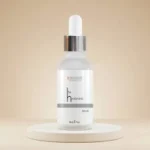
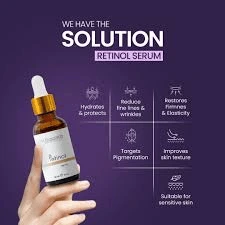
Retinol Serum belongs to the Vitamin A family and is widely recognized for supporting the skin’s natural renewal process. Instead of delivering instant cosmetic changes, it encourages gradual improvements beneath the surface, helping the complexion appear smoother and healthier over time.
As older skin cells are replaced with newer ones, many users notice a fresher appearance, improved texture, and a more balanced complexion. This steady process is one reason dermatologists frequently recommend retinol as part of an age-supporting skincare routine.
Unlike products that provide only temporary hydration, retinol focuses on long-term skin improvement through continuous use.
What Makes a Quality Retinol Product?
Not every serum delivers the same results. The overall formulation plays a much bigger role than simply listing retinol on the label.
When comparing different options, look beyond marketing claims and pay attention to ingredients that support both effectiveness and skin comfort.
Important qualities include:
- Stable Vitamin A formulation
- Moisturizing ingredients
- Skin barrier support
- Balanced concentration
- Lightweight texture
- Fragrance-free formulation for sensitive skin
- Non-comedogenic ingredients
- Clear ingredient transparency
A thoughtfully developed formula offers better performance while minimizing unnecessary irritation.
Understanding Retinol Strength
One of the most common mistakes people make is purchasing the strongest product available.
Higher concentrations are not automatically better. Skin benefits come from consistency rather than intensity.
For Beginners
Those using Vitamin A products for the first time should begin with a lower-strength formula. This allows the skin to gradually build tolerance while reducing excessive dryness.
For Experienced Users
People who have successfully used retinol for several months may choose stronger formulations if additional improvements are desired and their skin remains comfortable.
Patience is far more valuable than rushing into an aggressive routine.
Ingredients That Improve the Experience
Retinol performs best when paired with ingredients that protect hydration and strengthen the skin barrier.
Helpful companions include:
Hyaluronic Acid
Draws moisture into the skin, helping maintain softness throughout the renewal process.
Ceramides
Support the protective barrier that keeps moisture inside the skin while defending against environmental stress.
Niacinamide
Helps improve overall skin balance while reducing visible redness in many individuals.
Squalane
Provides lightweight nourishment without leaving a greasy finish.
Panthenol
Supports comfort and helps reduce feelings of dryness.
Peptides
Complement anti-aging routines by supporting firmer-looking skin.
A balanced formula containing these ingredients is often easier to use consistently.
Choosing According to Your Skin Type
Everyone’s skin behaves differently, making personal needs more important than popular recommendations.
Oily Skin
Retinol may help improve uneven texture while reducing the appearance of enlarged pores and post-breakout marks.
Dry Skin
Hydration becomes especially important. Pairing treatment with a rich moisturizer helps maintain comfort during regular use.
Combination Skin
A balanced routine works well for individuals who experience both oily and dry areas across the face.
Mature Skin
Regular use supports smoother-looking skin while helping soften the appearance of visible aging.
Sensitive Skin
Gentle introduction is essential. Applying the product only once or twice weekly at first allows the skin time to adjust.
Skin Concerns It Can Improve
Many skincare ingredients target only one concern. Retinol stands out because it addresses several visible issues simultaneously.
With regular use, many individuals experience improvements in:
- Rough texture
- Uneven skin tone
- Fine lines
- Wrinkles
- Dull complexion
- Hyperpigmentation
- Acne scars
- Sun damage
- Age spots
- Visible pores
Results develop gradually rather than overnight.
Retinol and Other Vitamin A Ingredients
Understanding ingredient names helps you compare products more confidently.
Retinol
A well-known option suitable for most skincare routines.
Retinal
Converts more efficiently inside the skin and may produce results sooner than traditional retinol.
Retinyl Palmitate
A gentler derivative often selected for sensitive or beginner-friendly products.
Prescription Retinoids
These stronger treatments should only be used under medical supervision because of their increased potency.
Ingredients That Require Careful Pairing
Using multiple active ingredients together may overwhelm the skin if introduced incorrectly.
Be cautious when combining retinol with:
- Glycolic Acid
- Lactic Acid
- Salicylic Acid
- Alpha Hydroxy Acids (AHAs)
- Beta Hydroxy Acids (BHAs)
Alternating these ingredients on separate evenings often improves comfort, particularly during the adjustment period.
Building an Effective Evening Routine
Following the correct application order allows the skin to benefit from each product more effectively.
Gentle Cleansing
Begin with a cleanser that removes sunscreen, makeup, and impurities without stripping natural moisture.
Dry the Skin Completely
Applying retinol to damp skin may increase sensitivity for some users.
Apply a Small Amount
Only a pea-sized amount is generally needed for the entire face.
Lock in Moisture
Finish with a nourishing moisturizer containing ceramides or hyaluronic acid.
This simple routine encourages consistency while protecting skin comfort.
Why Sunscreen Is Essential
Skin renewed by retinol becomes more vulnerable to ultraviolet exposure.
Daily sunscreen helps:
- Reduce UV damage
- Maintain treatment results
- Minimize pigmentation
- Protect collagen
- Support healthier-looking skin
Using SPF every morning should become a permanent part of any retinol routine, regardless of the weather.
Temporary Changes During the Adjustment Phase
Some users notice mild dryness, flaking, or temporary breakouts after introducing retinol.
This adjustment period is commonly known as skin purging because increased cell turnover brings existing congestion to the surface more quickly.
Minor reactions often improve as the skin adapts.
However, persistent burning, swelling, or severe irritation should never be ignored. If these symptoms occur, reduce application frequency and seek advice from a qualified dermatologist.
Common Buying Mistakes
Consumers often purchase skincare products based on attractive advertising rather than ingredient quality.
Avoid these common errors:
- Selecting the highest concentration immediately
- Ignoring the ingredient list
- Forgetting moisturizer
- Applying excessive amounts
- Skipping sunscreen
- Expecting immediate results
- Using multiple strong exfoliants together
- Failing to perform a patch test
Small adjustments often produce better long-term outcomes than aggressive routines.
Why Formulation Matters More Than Marketing
A premium skincare product is about much more than a fashionable ingredient.
The best formulations combine active ingredients with soothing, hydrating components that support daily use without compromising skin health.
At Skin Sciences, product development focuses on creating balanced skincare solutions that work with the skin instead of overwhelming it. Carefully selected ingredients are combined to encourage visible improvements while helping maintain comfort throughout the skincare journey.
Consumers deserve products built on thoughtful formulation rather than exaggerated promises.
Summary
A successful skincare purchase depends on understanding ingredients, selecting an appropriate formulation, and following a routine that supports long-term skin health. Retinol remains one of the most researched skincare ingredients because of its ability to improve texture, support collagen production, refine pores, and promote a brighter complexion through gradual, consistent use.
Skin Sciences is dedicated to providing thoughtfully formulated skincare solutions that combine science with everyday practicality. By choosing products carefully, introducing active ingredients patiently, and maintaining daily sun protection, you can build a skincare routine that delivers healthier-looking, more radiant skin for years to come.
Frequently Asked Questions
How soon can results become noticeable?
Many people begin observing gradual improvements after several weeks of consistent application, while more significant changes often develop over two to three months.
Can younger adults use retinol?
Yes. Adults experiencing acne marks, uneven texture, or early signs of aging often incorporate it into their evening skincare routine after introducing it gradually.
Is moisturizer necessary?
Absolutely. Moisturizer helps strengthen the skin barrier and reduces dryness associated with active ingredients.
Can retinol be used every night?
Not immediately. Most beginners benefit from using it two or three evenings per week before increasing frequency based on skin tolerance.
Should sunscreen still be used indoors?
Yes. Daily sun protection remains important because ultraviolet rays can reach the skin through windows during daylight hours.