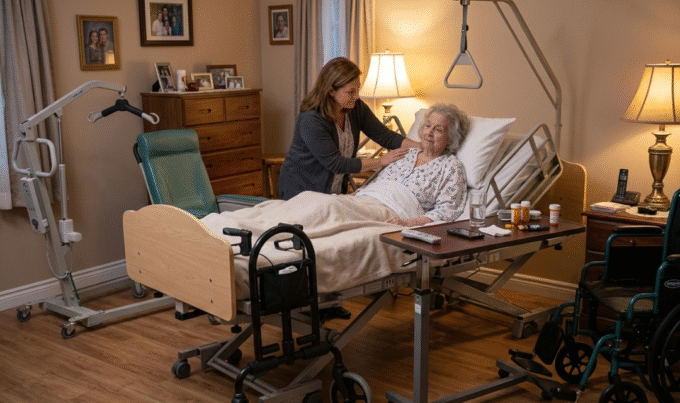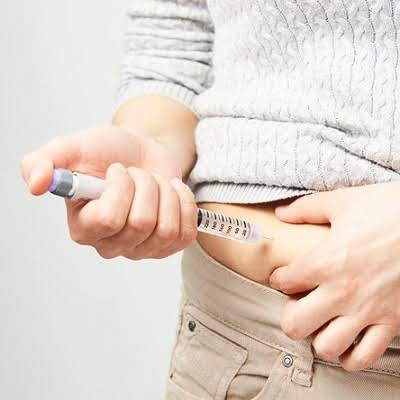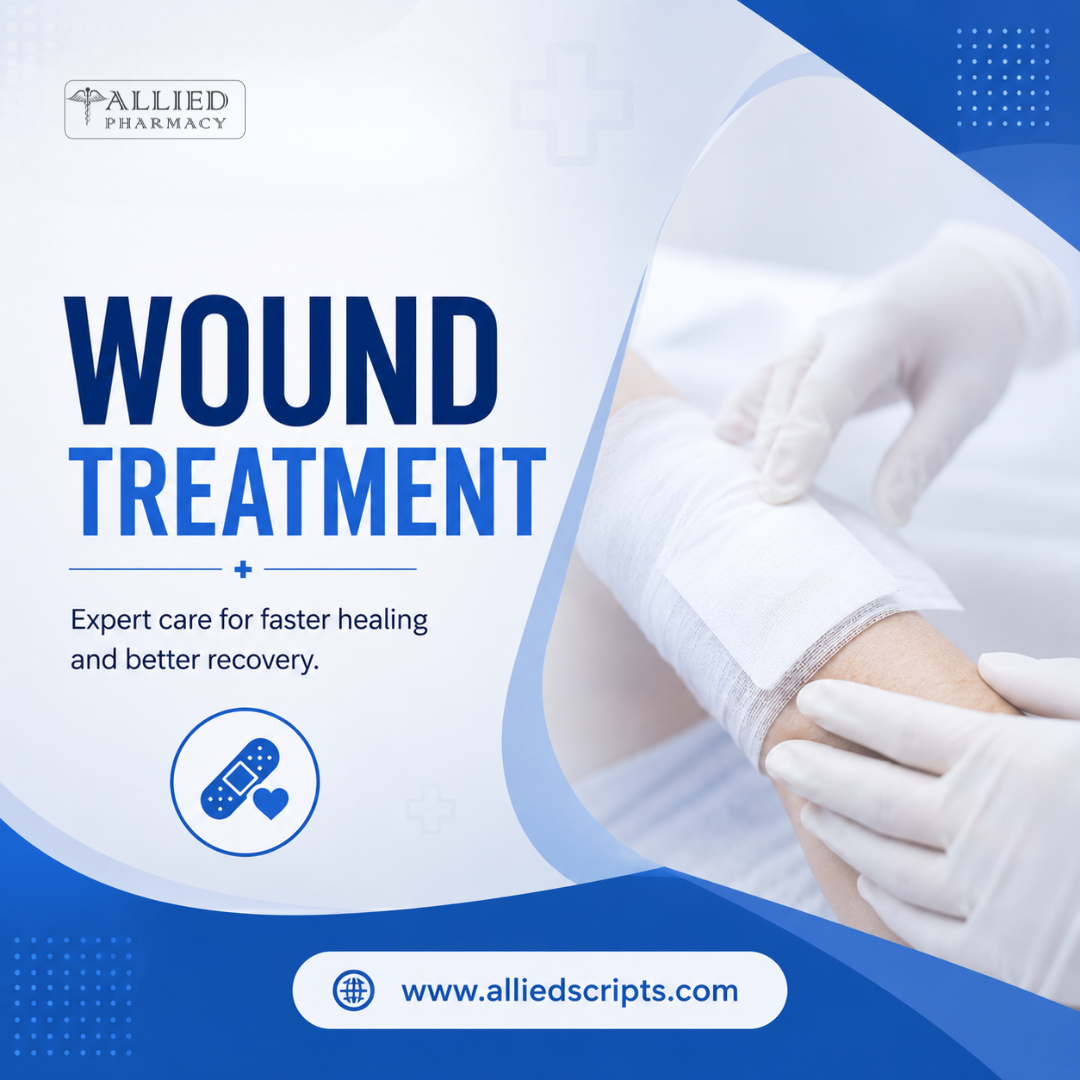
Wounds can occur in many forms, including cuts, abrasions, punctures, burns, pressure ulcers, and surgical incisions. Some wounds heal within days, while others require ongoing medical attention. People with diabetes, poor circulation, or weakened immune systems often experience slower healing and need specialized wound care.
The severity and location of the wound determine the type of treatment required. Deep wounds, wounds that continue bleeding, or injuries showing signs of infection should always be evaluated by a healthcare professional.
The Importance of Cleaning a Wound
The first step in wound treatment is proper cleaning. Dirt, bacteria, and debris must be removed carefully to lower the risk of infection. Gentle cleaning with clean water or saline solution helps prepare the wound for dressing without causing additional tissue damage.
Using harsh chemicals or home remedies that are not medically recommended can delay healing and irritate healthy skin.
Choosing the Right Dressing
Modern wound dressings do much more than simply cover an injury. They help maintain the right moisture balance, protect against bacteria, absorb excess drainage, and support natural tissue repair. Different wounds require different dressing materials depending on their size, depth, and condition.
Healthcare professionals often recommend changing dressings according to the wound’s healing progress rather than following a fixed schedule.
Preventing Infection
One of the biggest concerns during wound healing is infection. Signs of infection may include increasing redness, swelling, warmth, pain, unpleasant odor, or pus. Fever may also develop in more serious cases.
Seeking prompt medical attention when these symptoms appear can prevent further complications and support quicker recovery.
Supporting the Healing Process
Good nutrition plays an important role in wound healing. Protein, vitamin C, zinc, and adequate hydration all contribute to healthy tissue repair. Patients should also avoid smoking, as it reduces blood flow and slows the body’s natural healing response.
Managing underlying medical conditions such as diabetes is equally important to achieve better healing outcomes.
When Professional Wound Care Is Needed
Not every wound should be treated at home. Medical evaluation is recommended for deep wounds, animal bites, burns, diabetic foot ulcers, pressure injuries, or wounds that fail to improve after several days.
Professional wound care includes thorough assessment, advanced dressings, infection management, and regular monitoring to encourage proper healing.
Quality Wound Care You Can Trust
Effective wound treatment combines proper cleaning, suitable dressings, infection prevention, and ongoing monitoring. Receiving the right care at the right time helps reduce complications while improving comfort throughout recovery.
At Allied Pharmacy, we are committed to supporting patients with reliable healthcare solutions that promote safe and effective wound healing.