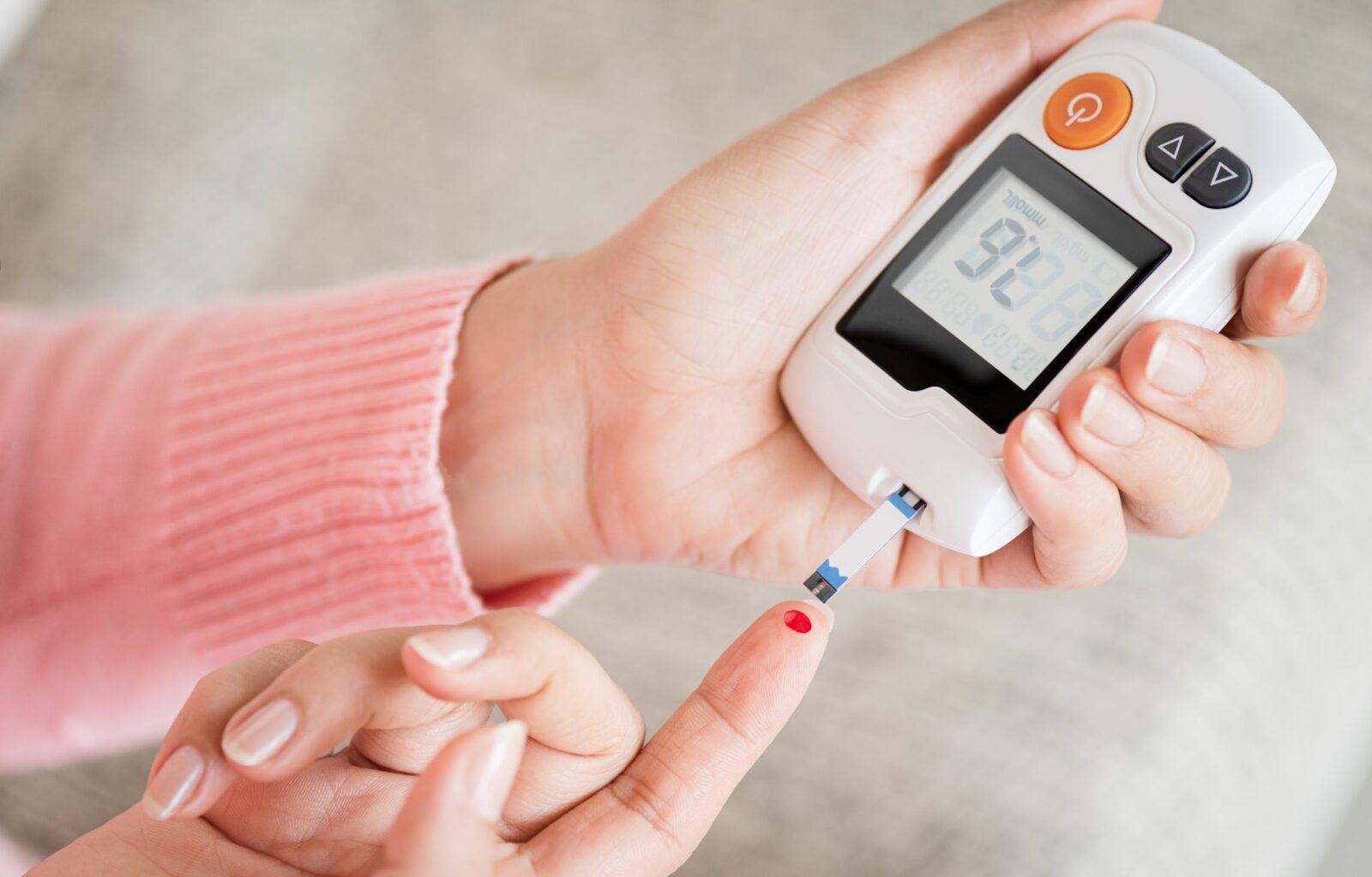
A blood sugar test is one of the most important diagnostic tools for evaluating your body’s glucose levels. Whether you are experiencing symptoms of diabetes, monitoring an existing condition, or simply taking preventive steps toward better health, understanding how a Blood Sugar Test Dubai works can help you make informed healthcare decisions.
Blood glucose serves as the body’s primary source of energy. However, when glucose levels become too high or too low, they can affect multiple organs and increase the risk of serious health complications. Regular blood sugar monitoring allows healthcare providers to detect abnormalities early, assess treatment effectiveness, and recommend lifestyle changes before complications develop.
Why Blood Sugar Levels Matter?
Your body converts carbohydrates into glucose, which enters the bloodstream and is regulated by insulin, a hormone produced by the pancreas. When this balance is disrupted, blood glucose levels can rise above or fall below the normal range.
Consistently high blood sugar, known as hyperglycemia, may indicate diabetes or prediabetes. Low blood sugar, called hypoglycemia, can occur due to certain medications, prolonged fasting, excessive physical activity, or underlying medical conditions.
Monitoring blood glucose helps identify these changes before they lead to complications involving the heart, kidneys, nerves, eyes, and blood vessels.
Understanding the Different Types of Blood Sugar Tests:
Healthcare professionals recommend different blood glucose tests depending on the purpose of evaluation.
Fasting Blood Sugar Test:
A fasting blood sugar test measures glucose levels after avoiding food and beverages, except water, for approximately eight to twelve hours. It is commonly used to diagnose diabetes and prediabetes because it provides a baseline measurement without the influence of recent meals.
Random Blood Sugar Test:
A random blood sugar test can be performed at any time during the day, regardless of when you last ate. It is particularly useful when a person has symptoms such as excessive thirst, frequent urination, unexplained weight loss, or fatigue.
Postprandial Blood Sugar Test:
This test measures blood glucose approximately two hours after eating. It helps healthcare providers understand how efficiently the body processes sugar following a meal and can reveal problems that may not appear during fasting.
HbA1c Test:
The HbA1c test evaluates the average blood glucose level over the previous two to three months. Unlike a single blood sugar reading, this test provides a broader picture of long-term glucose control and is commonly used for diabetes diagnosis and management.
Who Should Consider a Blood Sugar Test?
Although people with diabetes routinely undergo blood glucose testing, many others may benefit from regular screening.
Testing may be recommended for individuals who:
-
Have a family history of diabetes
-
Are overweight or obese
-
Experience frequent thirst or excessive hunger
-
Notice frequent urination
-
Feel persistent fatigue
-
Have blurred vision
-
Have high blood pressure or abnormal cholesterol levels
-
Have previously been diagnosed with prediabetes
-
Are pregnant and require gestational diabetes screening
Early detection significantly improves the chances of preventing long-term complications through timely treatment and healthier lifestyle choices.
Preparing for a Blood Sugar Test:
Proper preparation helps ensure accurate test results.
If you are scheduled for a fasting blood sugar test, avoid eating or drinking anything except water during the fasting period recommended by your healthcare provider.
Inform your healthcare provider about medications, supplements, or recent illnesses, as these factors may temporarily influence blood glucose levels.
For random or post-meal blood sugar tests, follow your healthcare provider’s specific instructions regarding meals and medications.
Staying hydrated and avoiding unnecessary stress before testing may also contribute to more reliable results.
What Happens During the Test?
A blood sugar test is quick, safe, and minimally invasive.
A healthcare professional cleans the fingertip or arm before collecting a small blood sample using a sterile lancet or needle. In laboratory settings, blood may be drawn from a vein for more comprehensive analysis.
The collected sample is analyzed to determine the concentration of glucose in the bloodstream. Point-of-care glucose meters provide results within seconds, while laboratory tests may take several hours depending on the facility.
Understanding Blood Sugar Test Results:
Interpreting blood glucose readings requires consideration of the testing method, medical history, and individual health factors.
Generally, healthcare providers evaluate whether glucose levels fall within normal, prediabetes, or diabetes ranges. A single abnormal reading does not always confirm a diagnosis, and additional testing may be necessary.
Rather than focusing solely on one number, physicians assess trends over time, symptoms, and complementary laboratory findings before making clinical decisions.
If your Blood Sugar Test remains consistently elevated, your healthcare provider may recommend additional investigations, dietary modifications, increased physical activity, medication, or ongoing glucose monitoring.
Factors That Can Affect Blood Glucose Readings:
Several everyday factors can temporarily influence blood sugar levels, including:
-
Recent meals
-
Physical exercise
-
Emotional stress
-
Poor sleep
-
Certain medications
-
Acute illness
-
Hormonal changes
-
Dehydration
Understanding these influences helps explain occasional fluctuations and supports more accurate interpretation of results.
How to Maintain Healthy Blood Sugar Levels?
Healthy blood glucose management involves consistent lifestyle habits rather than temporary changes.
A balanced diet rich in vegetables, lean proteins, whole grains, healthy fats, and fiber supports stable glucose levels throughout the day. Limiting highly processed foods and sugary beverages may reduce sudden blood sugar spikes.
Regular physical activity improves insulin sensitivity, allowing the body to use glucose more efficiently. Even moderate exercise, such as brisk walking, can contribute to better blood sugar control.
Maintaining a healthy body weight, getting adequate sleep, managing stress, and following prescribed medications when necessary further support long-term metabolic health.
Individuals with diabetes should continue monitoring blood glucose according to their healthcare provider’s recommendations and attend routine medical check-ups.
Common Misconceptions About Blood Sugar Testing:
Many people believe blood sugar testing is only necessary after developing diabetes. In reality, routine screening can identify prediabetes before symptoms become noticeable, allowing preventive action.
Another misconception is that one abnormal result always indicates diabetes. Blood glucose levels may temporarily change due to illness, medications, or stress, making repeat testing essential for an accurate diagnosis.
Some also assume that feeling healthy eliminates the need for testing. However, early-stage diabetes often develops without obvious symptoms, highlighting the importance of preventive screening for individuals with risk factors.
Frequently Asked Questions:
Is a blood sugar test painful?
Most people experience only a brief pinching sensation during finger-prick or blood sample collection.
How often should blood sugar be tested?
Testing frequency depends on your health condition, risk factors, and healthcare provider’s recommendations. People with diabetes may require daily monitoring, while healthy adults typically need screening at routine intervals.
Can I drink water before a fasting blood sugar test?
Yes. Drinking plain water is generally encouraged because it helps maintain hydration without affecting fasting glucose measurements.
Can stress increase blood sugar?
Yes. Physical and emotional stress can temporarily elevate blood glucose by stimulating hormone release that affects glucose metabolism.
Final Thoughts:
A blood sugar Lab tests is far more than a routine laboratory procedure—it is an essential tool for protecting long-term health. By measuring blood glucose accurately, healthcare providers can identify diabetes, monitor treatment progress, and detect potential problems before complications arise.
Understanding the different types of blood sugar tests, preparing correctly, and interpreting results with professional guidance allows individuals to take greater control of their health. Combined with balanced nutrition, regular exercise, healthy weight management, and routine medical care, blood sugar monitoring plays a vital role in preventing chronic disease and supporting overall well-being.
Whether you are undergoing your first blood sugar test or monitoring an existing condition, staying informed is the first step toward healthier glucose management and a healthier future.