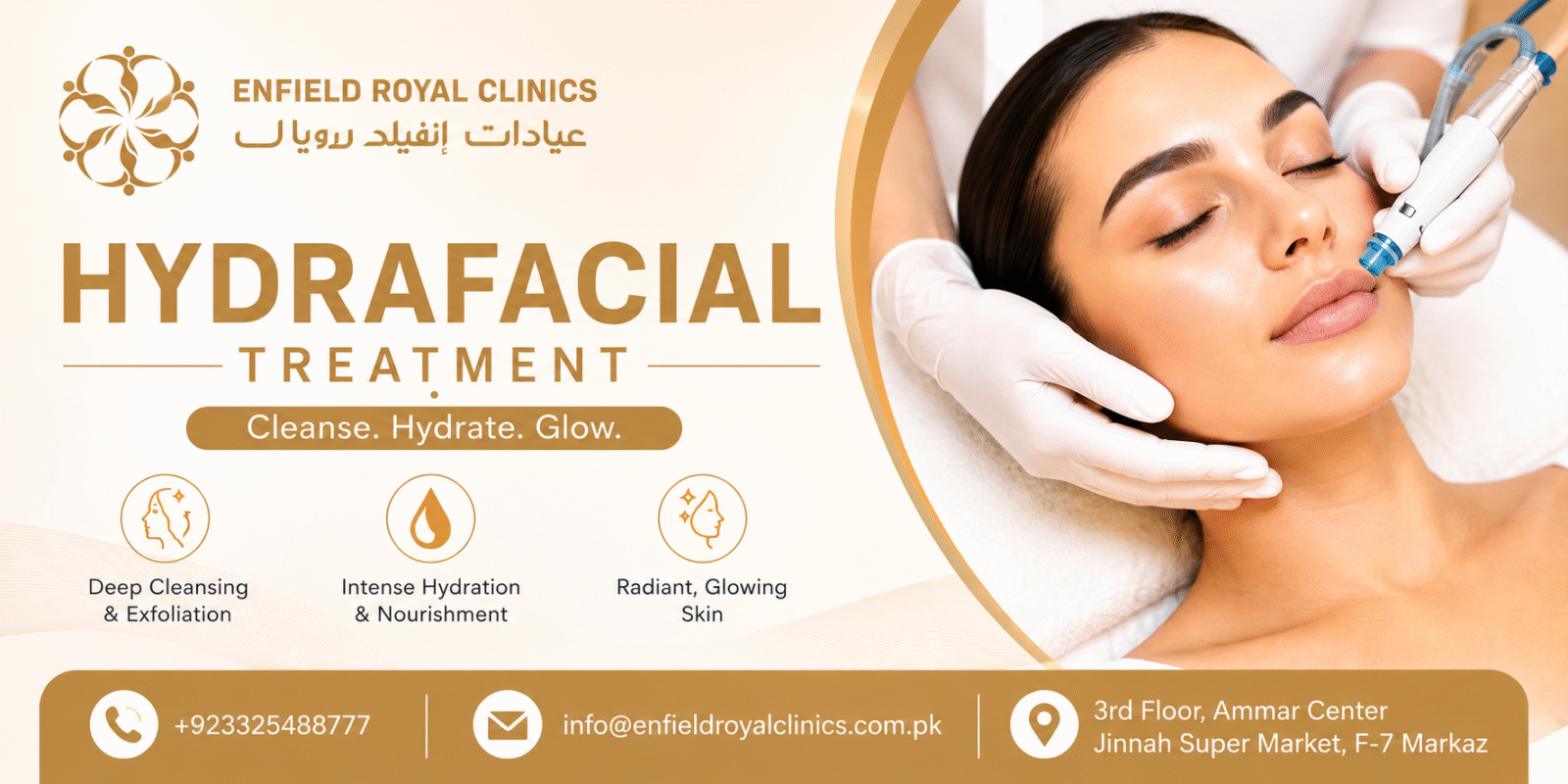
When choosing a facial treatment, one of the first questions people ask is whether it will work well with their particular skin type. Dryness, excess oil, sensitivity, clogged pores, and uneven texture can all require different approaches. Hydrafacial is often considered a versatile treatment because its steps and products can be adjusted according to individual skin needs.
The procedure combines cleansing, exfoliation, extraction, and hydration in a single treatment. However, being suitable for many skin types does not mean that everyone is automatically an ideal candidate. A professional skin assessment can help determine whether the treatment is appropriate and how it should be customized.
What Makes Hydrafacial Suitable for Different Skin Types?
One of the main features of Hydrafacial is its customizable approach. Instead of using exactly the same treatment for every person, skincare professionals can select different solutions and adjust the procedure according to the condition of the skin.
The treatment generally begins by cleansing the skin and removing surface impurities. Gentle exfoliation follows to remove dead skin cells. Controlled extraction can help clear pore buildup, while hydrating solutions are applied to support a smoother and fresher appearance.
Because these steps can be adapted, the treatment may be appropriate for a wide range of skin concerns.
Is Hydrafacial Good for Dry Skin?
Dry skin often lacks sufficient moisture and may appear rough, flaky, or dull. Traditional aggressive exfoliation can sometimes leave already-dry skin feeling uncomfortable.
Hydrafacial takes a different approach by combining gentle exfoliation with hydration. Removing surface buildup can help the skin feel smoother, while hydrating solutions can leave it feeling more moisturized.
For people with dry skin, the treatment can therefore be customized to focus more on hydration while keeping exfoliation gentle. A professional should still assess the skin first, particularly if there is active irritation or significant dryness.
Can Hydrafacial Help Oily Skin?
Oily skin produces more sebum than necessary, which can contribute to enlarged-looking pores, congestion, and a shiny appearance.
Hydrafacial may be useful for oily skin because its cleansing and extraction stages can help remove excess oil and impurities from the pores. Gentle exfoliation can also help reduce surface buildup that contributes to a congested appearance.
However, the goal should not be to remove all natural oil from the skin. Excessive stripping can potentially cause discomfort and disrupt the skin barrier. Treatment settings should therefore be selected according to the individual’s condition.
Is Hydrafacial Suitable for Combination Skin?
Combination skin usually has different characteristics in different areas of the face. For example, the forehead, nose, and chin may be oily, while the cheeks may be normal or dry.
This makes customization particularly useful. A practitioner can consider the different areas of the face when planning the treatment instead of treating the entire face as if it had identical needs.
Hydrafacial may help cleanse congested areas while maintaining hydration in areas that tend to feel dry. The exact approach depends on the person’s skin condition.
Can Sensitive Skin Have Hydrafacial?
People with sensitive skin often worry about redness, irritation, and discomfort following cosmetic treatments. Since Hydrafacial is generally considered a gentle, non-invasive procedure, some people with sensitive skin may tolerate it well.
However, sensitivity varies significantly from person to person. Active irritation, sunburn, broken skin, or inflammation may make treatment unsuitable at that time.
Before undergoing the procedure, it is important to tell the practitioner about sensitivity, allergies, current skincare products, and any recent treatments. A customized approach and appropriate settings can reduce unnecessary irritation.
Is Hydrafacial Good for Acne-Prone Skin?
Acne-prone skin can be affected by excess oil, clogged pores, and dead skin buildup. The cleansing and extraction components of Hydrafacial may help improve the appearance of congested skin.
It is important, however, to distinguish between cosmetic skin maintenance and medical acne treatment. Hydrafacial may support cleaner-looking skin, but it does not necessarily address the underlying causes of persistent or severe acne.
People with active inflammatory acne should receive professional advice before treatment. In some situations, certain facial procedures may need to be modified or postponed.
Can Hydrafacial Help Mature Skin?
Mature skin may show concerns such as dryness, dullness, uneven texture, and the appearance of fine lines. Hydrafacial can provide gentle exfoliation and hydration, which may make the skin look smoother and more refreshed.
Although the treatment can improve the appearance of the skin, it should not be viewed as a replacement for treatments specifically designed for significant wrinkles or skin laxity.
A skincare professional can recommend whether Hydrafacial or another treatment would better match the individual’s goals.
Who Should Avoid Hydrafacial?
Although many people can undergo the procedure, some situations require caution. Treatment may need to be postponed if the skin has active infections, open wounds, severe irritation, or significant inflammation.
People who have recently undergone certain cosmetic procedures may also need to wait before receiving a facial treatment. Individuals using prescription skincare products or medications should discuss them with a qualified professional before scheduling a session.
A consultation is especially important when there is an existing skin condition or uncertainty about treatment suitability.
How Can You Get the Best Results?
The quality of your results depends on more than the treatment itself. Choosing a qualified practitioner, providing accurate information about your skin, and following recommended aftercare can all make a difference.
After treatment, gentle skincare and daily sun protection are important. Avoiding unnecessarily harsh products immediately after the procedure may also help keep the skin comfortable.
It is also useful to maintain realistic expectations. Hydrafacial can improve the appearance and feel of the skin, but it cannot permanently change your natural skin type.
Final Thoughts
Hydrafacial can be suitable for many different skin types, including dry, oily, combination, sensitive, and mature skin. Its customizable nature allows the treatment to be adjusted according to individual concerns.
Still, not every person or skin condition is suitable for the procedure at every time. A professional assessment should come first, especially if the skin is irritated, inflamed, or undergoing medical treatment.
When appropriately customized and performed by a trained professional, Hydrafacial can be a convenient option for people seeking cleaner, smoother, hydrated, and more radiant-looking skin.