Before You Choose a Blood Pressure Monitor
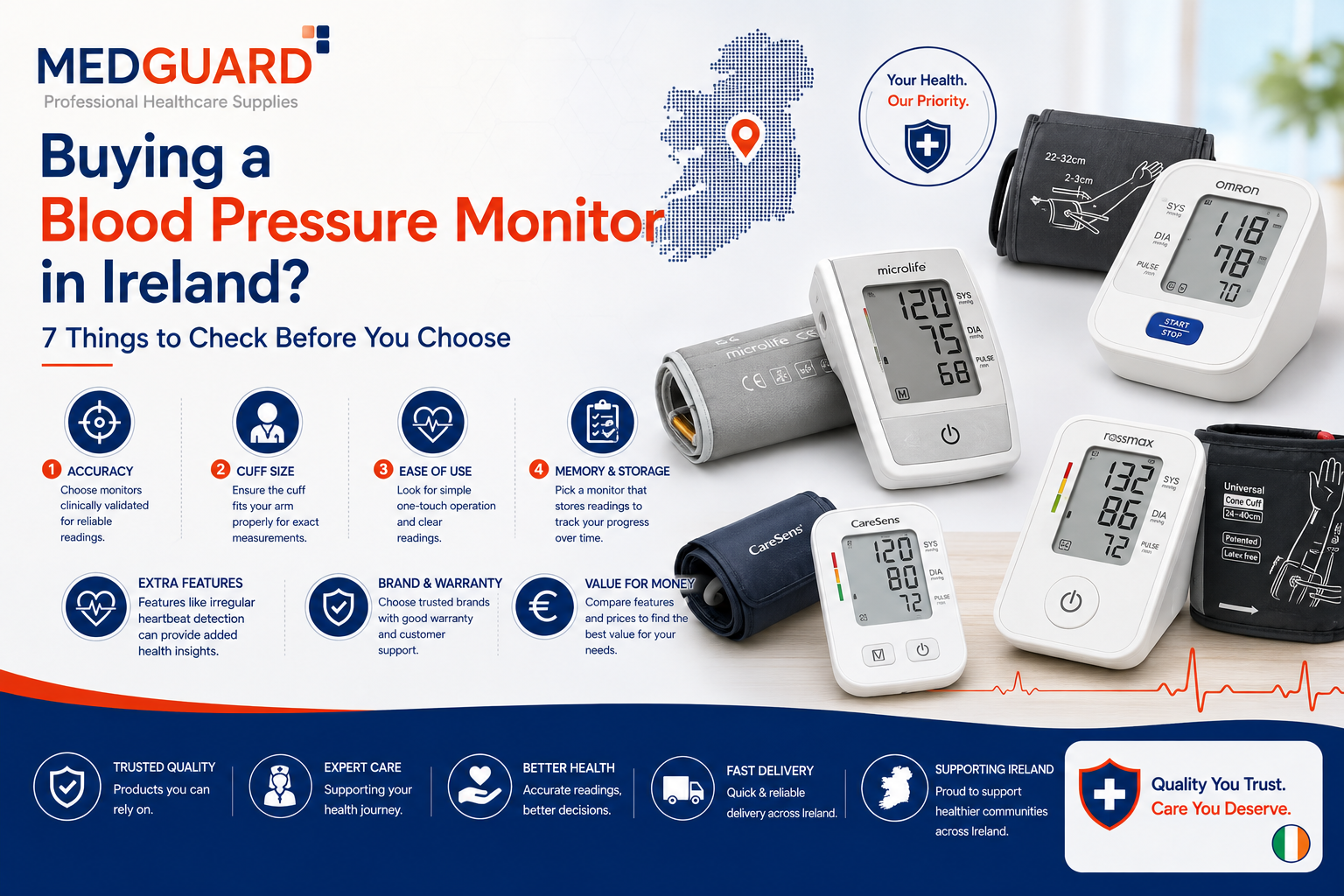
You should only use blood pressure measuring devices advised by your GP or select one that is suitable for yourself if your GP said you should use a monitor at home or if you want to keep track of your blood pressure between GP visits. There are a couple of helpful tests to perform when shopping to make sure you get a blood pressure machine that works for you. Before you make a selection, here are seven factors you should consider.
1. Determine the Blood Pressure Measurement Site
Determine the blood pressure measurement site.Identify the location of the blood pressure monitoring. The first step is to decide on using an upper arm or wrist monitor. Home blood pressure is measured by the upper arm blood pressure monitor, which is normally easy to position upon their instructions. Monitoring the wrist might be more compact and user-friendly, but it may be a critical piece of positioning when taking a reading. If you’re monitoring at home, you might want to choose one of the two types that you feel you can use on a regular basis and correctly. If your GP or health care professional has recommended you have your blood pressure checked, they may have a preferred method for doing so.
2. Ensure That the Cuff Is the Proper Size
But the monitor is not the only piece of the puzzle. Cuff must be properly sized to arm. The cuff should fit your arm and if it is too tight or too loose, it could impact the reading. When purchasing a BP machine, find out the recommended arm circumference range, and measure the arm if needed.
3. Search for an Easy-to-Use Monitor
An at-home blood pressure machine should be easy to use! It can be convenient to use automatic digital monitors because they perform the reading after the cuff is placed and the reading has been started. Another useable feature may be a clear screen with numbers clearly read, especially for older users, or a person who may not read small numbers. Other models may include extras like memory to record the results, date & time recording, irregular heartbeat detector, or several user profiles. Plan for what you are going to do. An easy to use monitor that you can use confidently could serve you better than a complicated monitor with functions you don’t need.
4. Think About How You Will Record Your Readings
If you are taking your blood pressure over a period of time you may find it useful to make a record of the readings. Some digital monitors keep track of previous readings, so you can come back for them later. Others may have different users’ memory areas. When purchasing ask yourself how you will monitor your outcome. A memory function may be useful; however, it is also possible to manually record readings as well.
5. Go Through the Validity Process to Ensure the Device Has Been Appropriately Validated
One of the factors to take into account when selecting a blood pressure machine is accuracy. Not all the products available on the market have been tested equally. Consider whether the monitor is clinically validated or recognised by a validating organisation. The British and Irish Hypertension Society (BIHS) offers guidelines on blood pressure monitors which are validated and advises against using improperly validated blood pressure monitors at a person’s home. This is especially relevant, since you are not allowed to make a health decision with the flaky equipment. If you are unsure of the model, consult your GP, pharmacist or other competent health care worker.
6. Consider Who Will Be Consuming It
What is good for one user, may not be good for the next. An older family member may need a large easy to read screen and an easy one-button control system. A person whose job or lifestyle requires that he or she travel often will consider smaller size. A multi-user model or adequate memory might be preferred if there are several persons using the blood pressure measuring unit in a household. Consider the specific user instead of price or look. If the monitor is being bought as a result of counseling from a health care provider, it’s also essential to consider additional recommendations they might have made.
7. Treat Yourself to Quality Products From a Reputable Healthcare Supplier
The location of the purchase of the equipment is also important, especially for items that will be used by a health measure. A reputable health care supplier must make the information about the product clear, its specification and instructions and allow the buyer to understand what he/she is buying. Medguard Healthcare values a wide selection of healthcare and diagnostic instrumentation for example blood pressure monitors, blood pressure accessories, and much more, for customers seeking a blood pressure monitor in Ireland. It is a range of products from leading health care product manufacturers that are aimed at various homes and business needs. When purchasing through a reputable medical supplier it is also easier to get replacement cuffs or any necessary accessories in the future if they’re required.
The Right Way to Take Your Blood Pressure at Home
The proper way to check blood pressure at home. Possessing an appropriate monitor is just one of useful readings. But it’s not just your technique; it’s also your approach. DO sit quietly for a few minutes before taking a reading and don’t talk during the reading. Sitting with your back supported, feet on ground and arm supported at an appropriate level. Follow directions for application and use as directed by the manufacturer. When measuring blood pressure over time, try to do so under the same conditions as far as possible. If your healthcare professional has outlined a monitoring schedule you should adhere to. Keep in mind that blood pressure readings don’t tell the whole story. Your GP or a health care professional can give you an idea of what your reading is significant to your health.
Selecting the Best Blood Pressure Machine Is Crucial
No one blood pressure machine will work for everybody. The decision is based on who the user will be, how it will be used, and what features actually benefit the user. Prior to the purchase, look at the method of measurement, cuff size, ease of use, memory functions, validation, and supplier. If the GP or health professional has advised you to monitor your blood pressure, follow their guidance in addition to following the manufacturer’s directions. When monitored with a proper instrument, a consistent measurement technique and the appropriate expert advice, home monitoring can be a much easier component of your healthcare regime.