Healthy plumbing pipes are essential for keeping a home comfortable, sanitary, and efficient. Every day, pipes carry fresh water to faucets and transport wastewater away from sinks, showers, toilets, and appliances. Over time, however, grease, mineral deposits, soap residue, food particles, and other debris can collect inside the plumbing. Without proper maintenance, this buildup can gradually restrict water flow and contribute to recurring drainage problems.
Hydro Jet Services
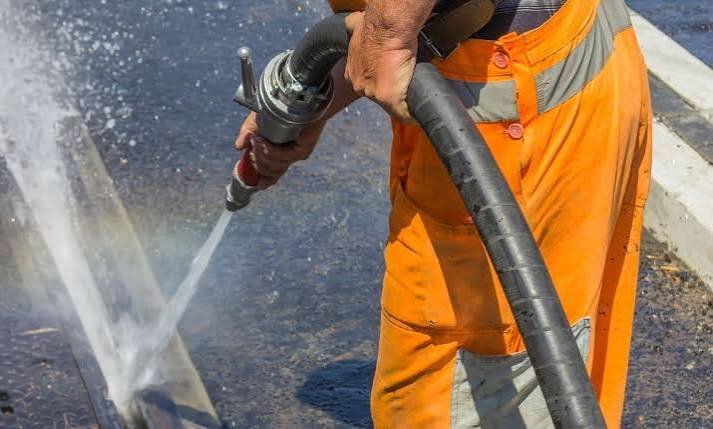
Modern plumbing maintenance offers homeowners more effective ways to deal with stubborn buildup. Hydro jet services use specialized equipment to send a controlled stream of high-pressure water through suitable pipes. The water can break apart grease, sludge, mineral deposits, and other accumulated materials, helping restore a cleaner interior surface and allowing wastewater to flow more freely.
Understanding Why Pipes Become Dirty
Plumbing pipes don’t remain perfectly clean forever. Every time water travels through a drain, it can carry small amounts of material with it. In kitchen drains, fats, oils, grease, and food particles can gradually stick to the pipe walls.
Bathroom plumbing faces a different type of buildup. Hair, soap residue, shampoo, and other personal-care products can collect inside drains. Underground sewer lines may also experience sediment accumulation, root intrusion, and other forms of obstruction.
As this material builds up, the usable space inside the pipe becomes smaller. At first, homeowners may notice slightly slower drainage. Eventually, the restriction can become severe enough to cause backups.
The Importance of Preventive Pipe Maintenance
Many homeowners wait until a drain stops working before thinking about pipe maintenance. Unfortunately, a complete blockage is often the result of buildup that has been developing for a long time.
Preventive maintenance focuses on addressing potential restrictions before they become emergencies. Regular attention can help homeowners recognize changes in drainage speed, unusual odors, gurgling sounds, or recurring clogs.
Taking care of minor warning signs early can reduce disruption and help maintain a more reliable plumbing system.
How High-Pressure Water Cleaning Works
High-pressure water cleaning is designed to clean the interior surfaces of appropriate plumbing lines. A specialized hose is carefully positioned inside the pipe, and a professional selects a nozzle suited to the size and condition of the line.
The water is directed through the pipe to loosen and remove accumulated material. Different nozzle designs can help technicians work against various types of buildup.
The goal isn’t simply to create a small opening through a blockage. Instead, the process can clean a larger section of the pipe interior when conditions are suitable.
High-Pressure Cleaning vs. Traditional Snaking
Traditional drain snakes and augers remain useful for many localized blockages. They can break through a clog and restore water flow relatively quickly.
However, breaking a path through a blockage doesn’t necessarily remove all the material attached to the pipe walls. Remaining grease or debris can contribute to another blockage later.
High-pressure water cleaning takes a broader approach by targeting buildup along the interior of the pipe. For recurring problems caused by accumulated material, this can offer a more thorough cleaning option.
When Professional Pipe Cleaning May Help
Not every drain problem requires high-pressure cleaning. A simple clog near a sink opening may respond to basic maintenance or conventional drain cleaning.
Professional evaluation may be worthwhile when:
- Drains repeatedly become slow or blocked.
- Multiple fixtures experience drainage problems at the same time.
- Unpleasant odors or gurgling sounds continue after basic cleaning.
These symptoms can indicate that the problem is located deeper within the plumbing system.
Why Pipe Inspection Matters
Before using powerful cleaning equipment, professionals should evaluate the condition of the plumbing. This is especially important for older systems.
A pipe may contain cracks, corrosion, weakened joints, or other structural problems. Applying inappropriate pressure to a damaged pipe could potentially worsen an existing defect.
Camera inspection technology can provide valuable information about what is happening inside underground or difficult-to-access plumbing. It can help identify buildup, root intrusion, cracks, collapsed sections, and other concerns.
Knowing the condition of the pipe allows technicians to select an appropriate cleaning method.
Protecting Older Plumbing Systems
Older homes often require additional consideration because plumbing materials may have experienced decades of wear. Corrosion, mineral deposits, and weakened connections can make certain pipes more vulnerable.
Homeowners with older plumbing shouldn’t assume that every cleaning method is appropriate. A professional assessment can help determine whether the pipes are structurally sound enough for a particular service.
In some situations, repair or replacement may be more appropriate than cleaning. The right solution depends on the pipe material, age, condition, and severity of the problem.
Keep Kitchen Pipes Cleaner
Homeowners can reduce buildup by changing a few everyday habits. Kitchen grease and cooking oils should never be poured directly down the drain. Once they cool, they can stick to pipe walls and collect additional debris.
Food scraps should also be kept out of drains whenever possible. A sink strainer can catch small particles before they enter the plumbing.
Running appropriate amounts of water during normal drain use can help move waste through the system, but prevention remains more effective than trying to flush away large amounts of grease.
Maintain Bathroom Drains
Bathroom drains benefit from simple preventive care. Hair is one of the most common sources of shower and bathtub blockages, so using a drain cover or screen can make a noticeable difference.
Clean the screen regularly and remove accumulated hair before it enters the pipe. Avoid flushing unsuitable materials through toilets and drains.
If a bathroom drain repeatedly slows down despite these habits, the restriction may be deeper inside the line and should be evaluated.
Avoid Overusing Chemical Cleaners
Chemical drain cleaners may provide temporary relief, but they aren’t always an ideal solution for recurring plumbing problems. Some products can be harsh on certain plumbing materials when used frequently.
More importantly, chemical cleaners may not remove the underlying cause of a recurring blockage. If grease, roots, or heavy mineral deposits are responsible, simply opening a narrow passage may not solve the larger problem.
Professional cleaning and inspection can provide a better understanding of why the drain continues to struggle.
Benefits of Cleaner Pipes
Keeping suitable plumbing lines clean can provide several practical advantages. Improved drainage is one of the most noticeable benefits because wastewater has more room to move through the pipe.
Thorough cleaning may also help reduce recurring blockages when buildup is the primary cause. Homeowners may notice fewer slow drains, less standing water, and fewer unpleasant odors associated with stagnant waste.
Clean plumbing can also make it easier to identify structural problems. When excessive buildup is removed, cracks, damaged joints, or other defects may become easier to detect during inspection.
Simple Habits for Long-Term Plumbing Health
Professional maintenance works best when combined with responsible everyday habits. Homeowners can help protect their pipes by keeping inappropriate materials out of drains and monitoring changes in plumbing performance.
It is also helpful to know where the home’s main water shutoff valve is located. In the event of a serious plumbing failure, shutting off the water quickly can reduce potential damage.
A few useful habits include:
- Dispose of grease, oils, and unsuitable waste properly instead of sending them down drains.
- Use drain screens to catch hair and food particles.
- Investigate recurring clogs instead of repeatedly treating the same symptom.
These small steps can help reduce unnecessary stress on the plumbing system.
When to Call a Professional
Persistent plumbing problems shouldn’t be ignored. A drain that repeatedly backs up, several fixtures that become slow at the same time, or unusual sewer odors may indicate a larger issue.
A qualified plumbing professional can inspect the system, determine the source of the problem, and recommend an appropriate solution. Depending on the findings, that may involve traditional drain cleaning, high-pressure water cleaning, repairs, or pipe replacement.
Professional guidance is particularly important for underground sewer lines and older plumbing systems.
Conclusion
Modern plumbing maintenance provides homeowners with effective options for keeping suitable pipes clean and functional. High-pressure water cleaning can remove significant buildup from pipe interiors, while inspection technology helps professionals determine whether cleaning is appropriate for a particular system.
However, maintaining healthy plumbing isn’t only about professional services. Responsible household habits, regular inspections, and early attention to warning signs can make a major difference.
By preventing unnecessary buildup and addressing recurring problems before they become emergencies, homeowners can support better drainage, reduce plumbing disruptions, and extend the useful life of their pipes. A proactive approach to plumbing care is a practical investment in the comfort, efficiency, and reliability of any home.