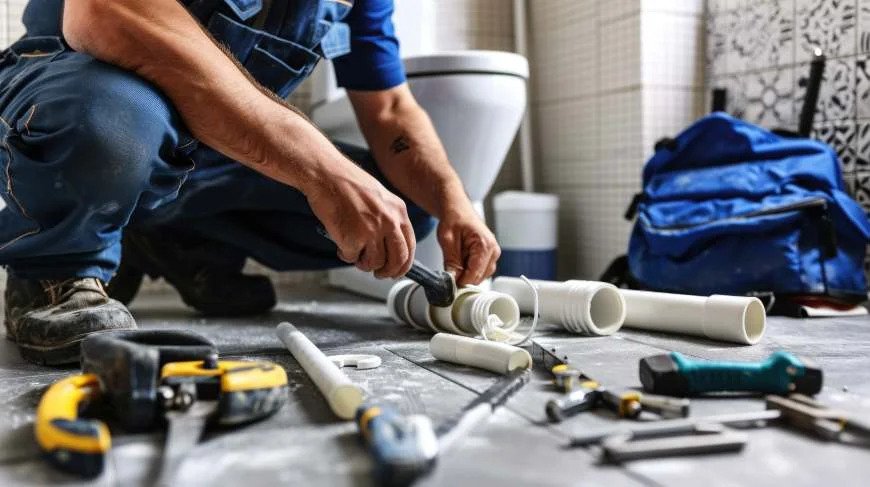
A plumbing problem can start with something small, such as a slow drain, dripping faucet, or toilet that takes too long to refill. It is easy to put these issues off when everything still seems usable. The trouble is that minor plumbing problems can sometimes point to worn components, hidden leaks, blocked pipes, or pressure issues that become more expensive if ignored.
Homeowners in Surrey and across British Columbia also deal with plumbing systems that face regular changes in temperature, moisture, and household demand. Knowing when a problem needs professional attention can help prevent water damage and reduce the chance of an unexpected emergency. A qualified plumber can identify the cause, explain the repair options, and help keep the home’s plumbing system working reliably.
Why Homeowners Usually Need Professional Plumbing Help
Plumbing systems contain many connected components, so one visible problem does not always reveal the actual cause. A slow kitchen drain, for example, could be caused by buildup close to the sink or a restriction farther inside the drainage line.
Common reasons homeowners call for professional help include:
- Leaking faucets or pipes
- Slow or blocked drains
- Low or inconsistent water pressure
- Running or overflowing toilets
- Water heater problems
- Sewer or drainage concerns
- Burst or damaged water lines
- Unusual noises coming from pipes
Leaks deserve particular attention. Even a small leak behind a cabinet or inside a wall can gradually damage surrounding materials. Damp areas can also create conditions that lead to mold and unpleasant odors.
Professional service is useful because technicians can investigate the source instead of simply treating the visible symptom.
What Happens During a Typical Plumbing Visit?
A professional plumbing appointment usually starts with a conversation about the problem. Homeowners should explain when the issue started, what they have noticed, and whether anything has changed recently.
The technician may then:
- Inspect the affected fixtures and surrounding area.
- Check water pressure and visible connections.
- Test drainage and water flow.
- Look for signs of leaks or pipe damage.
- Identify the likely cause of the problem.
- Explain repair or replacement options.
- Replace damaged components after approval.
- Test the system to confirm proper operation.
- Clean the immediate work area.
For larger problems, additional diagnostic equipment may be necessary. A blocked or damaged underground drainage line, for example, can require specialized inspection methods rather than a simple fixture repair.
A clear explanation before work begins helps homeowners understand what is being repaired and why.
How Much Can Plumbing Work Cost?
There is no single price for plumbing service because every repair is different. A simple fixture replacement can require far less labour than locating a hidden leak or repairing a damaged section of pipe.
The final cost may depend on:
- Type of plumbing problem
- Parts and materials required
- Labour time
- Location of the affected pipe or fixture
- Accessibility
- Age and condition of the plumbing system
- Complexity of the repair
- Emergency or after-hours service
- Permit requirements for certain larger projects
Homeowners should be cautious of estimates that provide an unusually low price without first inspecting the problem. A proper assessment gives the contractor a better understanding of the work involved.
Before approving a larger repair, ask for a clear explanation of what is included in the quoted price.
Warning Signs That Should Not Be Ignored
Some plumbing symptoms deserve attention even when the system still appears to work.
Watch for:
- Water stains on ceilings or walls
- Repeatedly clogged drains
- Sudden changes in water pressure
- Toilets that run continuously
- Unexplained increases in water usage
- Damp or musty smells
- Water pooling around fixtures
- Pipes making repeated banging or knocking sounds
A slow drain may seem harmless, but repeated blockages can indicate a larger restriction. Similarly, a water stain may remain after a leak appears to stop. Hidden moisture can continue causing damage behind walls or underneath flooring.
If a pipe bursts or a major leak occurs, shut off the appropriate water supply if it is safe to do so and arrange professional assistance promptly.
DIY Plumbing vs Hiring a Professional
There are several basic plumbing tasks that homeowners can reasonably handle themselves.
For example, you may be able to:
- Replace a showerhead
- Clean a removable drain trap
- Tighten a loose fixture connection
- Replace a toilet flapper
- Clean visible debris from a faucet aerator
The advantage of DIY work is that it can save time and money for simple tasks. It also helps homeowners understand how their fixtures work.
However, plumbing becomes more complicated when repairs involve concealed pipes, water heaters, sewer lines, major leaks, or connections inside walls. Mistakes can lead to water damage or create additional problems.
Professional help makes more sense when the source of the issue is unclear or when a repair requires specialized tools and experience. A trained technician can also identify related problems that might otherwise go unnoticed.
Smart Questions to Ask Before Hiring a Plumber
Choosing a contractor based only on price can be risky. A few questions can help you compare services more effectively.
Ask:
- Have you handled this type of plumbing problem before?
- What do you believe is causing the issue?
- Will you provide an estimate before starting additional work?
- Are parts and labour covered by a warranty?
- Are you licensed and insured where required?
- What happens if the problem returns after the repair?
It is also useful to read recent customer reviews and check whether the company communicates clearly about scheduling and pricing.
For homeowners searching for plumbers in Surrey, local experience can be useful because the contractor may be familiar with common property types, local requirements, and regional plumbing concerns.
How to Prevent Common Plumbing Problems
Good maintenance can reduce the likelihood of some plumbing problems, although it cannot prevent every failure.
Simple habits include:
- Avoid pouring grease or cooking oil down drains.
- Use drain screens to catch hair and debris.
- Check exposed pipes and connections for leaks.
- Do not flush wipes or unsuitable materials down toilets.
- Avoid using excessive chemical drain cleaners.
- Know where the main water shutoff valve is located.
- Address small leaks before they become larger ones.
Homeowners should also pay attention to changes in water pressure, drainage speed, and unusual pipe sounds. These changes can provide an early warning that something needs attention.
For anyone looking for a Surrey plumber, comparing experience, communication, warranties, and repair methods is usually more useful than choosing a contractor based on the lowest advertised price.
Final Thoughts
Plumbing problems are easier to manage when homeowners recognize the warning signs early. A dripping faucet may be a simple repair, while recurring drainage problems, hidden leaks, or pressure changes can point to issues that need a closer inspection. Knowing the difference helps homeowners decide when basic maintenance is enough and when professional assistance is the safer choice.
Regular checks, sensible maintenance, and prompt attention to unusual symptoms can help protect the home from avoidable water damage and keep essential plumbing systems working properly.
For reliable workmanship and practical advice, view the local plumbing business profile before scheduling your next repair.