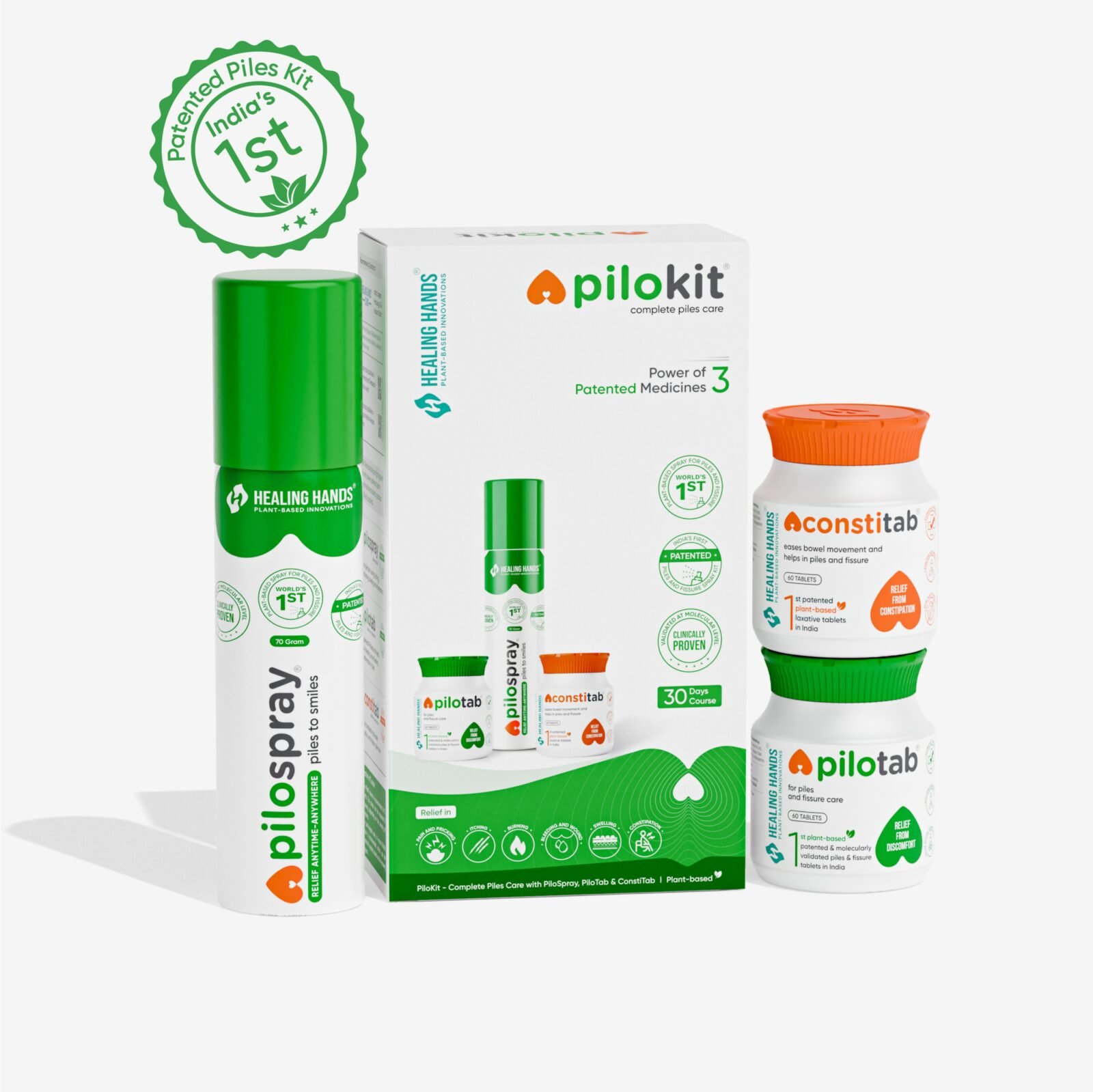
That burning, tearing pain right after you use the toilet isn’t something you should just live with. If you’ve noticed a small streak of blood on the tissue paper along with sharp pain, you’re likely dealing with an anal fissure. A fissure treatment spray is designed to ease this exact pain by numbing and soothing the affected area without you having to touch it directly.
Most people searching for this have already tried creams that felt messy or hard to apply in a sensitive spot. That’s usually why sprays come up as the next thing to try.
What Is an Anal Fissure, Really
An anal fissure is a small tear in the lining of the anal canal. It usually happens after passing a hard, dry stool, though straining during diarrhea can cause it too. The tear exposes nerve endings, which is why even a small crack can cause pain that’s completely out of proportion to its size.
In practice, people often confuse fissures with piles because both can cause bleeding and discomfort in the same area. The difference matters. Piles are swollen blood vessels, while a fissure is a cut or split in the skin. Some people actually have both conditions at once, especially if chronic constipation has been an ongoing issue for months.
Why Sprays Work Differently Than Creams
A cream needs direct finger application, which can be painful when the area is already torn and inflamed. What often happens is people press too hard or use too much friction, and this delays healing instead of helping it.
A spray avoids that problem. You can apply it without touching the fissure itself, which means less irritation during application. Most fissure sprays work by combining:
- A local anesthetic to numb the sharp pain
- Anti-inflammatory agents to reduce swelling
- Healing-support ingredients meant to support tissue repair
This combination is meant to make daily activities like sitting, walking, or passing stool a little more bearable while the tear heals on its own.
What To Expect (And What Not To)
Here’s where honesty matters more than marketing. A spray can genuinely reduce pain and discomfort, but it doesn’t replace the two things that actually heal a fissure: soft stool and reduced straining. If constipation continues, the tear will keep reopening no matter how good the spray is.
This is a mistake I’ve seen play out again and again. Someone uses a spray, feels better within a day or two, stops drinking enough water or taking fibre, and the fissure comes right back within a week. The spray treats the symptom. Your diet and bowel habits treat the cause.
Doctors and proctologists generally recommend combining topical relief with:
- A high-fibre diet (fruits, vegetables, whole grains)
- Adequate water intake through the day
- A warm sitz bath twice daily to relax the anal sphincter
- Avoiding prolonged straining on the toilet
Ayurveda-based approaches also focus heavily on gut health and stool consistency for this exact reason. It’s not just a modern medicine concept, it’s been the basic logic behind fissure care for a long time.
When a Spray Isn’t Enough
Most acute fissures heal within a few weeks with consistent care. But if the pain isn’t improving after two to three weeks, or if bleeding increases, it’s time to see a gastroenterologist or proctologist rather than continuing home treatment alone. Chronic fissures, ones that last more than six weeks, sometimes need a different approach altogether, including procedures a doctor would need to evaluate in person.
Results vary depending on how severe the tear is, how consistent someone is with diet changes, and whether there’s an underlying condition like chronic constipation driving repeated tears. No spray, cream, or home remedy can guarantee a fixed healing timeline, and any claim promising an exact number of days should be treated with caution.
(link to related resource here) for a deeper look at diet changes that support fissure healing.
A Quick Word on Choosing a Spray
Not every spray on the market is formulated the same way. Some focus purely on numbing, which masks pain without supporting healing. Others combine pain relief with ingredients meant to calm inflammation and support the skin’s natural repair process. If you’re comparing options, check whether the product addresses both pain and healing, not just one of the two.
FAQ Section
- How quickly does a fissure treatment spray work?
Most people notice reduced burning and pain within a few minutes of application, since the numbing effect starts almost immediately. Actual tissue healing, however, takes days to weeks depending on the fissure’s severity. - Can I use a fissure spray for piles too?
Some sprays are formulated for both piles and fissures since the two conditions often overlap and cause similar pain and bleeding. Check the product label to confirm it’s meant for both conditions before use. - Is a fissure treatment spray a substitute for a doctor visit?
No. It helps manage pain and discomfort, but if symptoms persist beyond two to three weeks or bleeding gets worse, a proctologist should examine the fissure directly. - What causes anal fissures in the first place?
The most common cause is passing hard or dry stool, usually linked to chronic constipation, low fibre intake, or not drinking enough water through the day. - Can diet alone heal a fissure without any spray or cream?
In mild cases, yes, softer stools from better hydration and fibre intake can allow a fissure to heal on its own. A spray simply makes the healing period more comfortable by reducing pain along the way.