Diabetes testing helps detect high blood sugar and identify prediabetes or diabetes at an early stage. People searching for a diabetes test laboratory in Lahore can choose from different types of blood glucose tests, depending on their symptoms, risk factors, and a healthcare professional’s advice.
This guide explains the main diabetes tests, how to prepare for them, how laboratories report results, and what the results can mean. The information applies to people in Lahore and across Pakistan.
Why Diabetes Testing Is Important
Diabetes can develop gradually. Some people have no obvious symptoms when blood glucose first becomes elevated. Testing can therefore help identify abnormal blood sugar before complications develop.
Common symptoms that may lead someone to seek testing include:
- Frequent urination
- Increased thirst
- Unexplained weight loss
- Increased hunger
- Tiredness
- Blurred vision
- Slow-healing wounds
- Recurrent infections
However, symptoms alone cannot confirm diabetes. A laboratory blood test provides objective information about glucose levels.
The American Diabetes Association recognizes HbA1c, fasting plasma glucose, and the 2-hour oral glucose tolerance test as appropriate tests for screening and diagnosis.
Main Diabetes Tests Available at Laboratories
A diabetes test laboratory may offer several tests. Each test measures glucose control in a different way.
1. Fasting Blood Sugar Test
The fasting plasma glucose (FPG) test measures blood glucose after fasting. For diagnostic testing, fasting generally means avoiding caloric intake for at least eight hours.
According to current ADA diagnostic criteria:
- Below 100 mg/dL: Generally considered normal
- 100–125 mg/dL: Prediabetes range
- 126 mg/dL or higher: Diabetes range, requiring appropriate confirmation when there is no unequivocal hyperglycemia
These values are commonly reported in mg/dL in Pakistan. Some laboratories may also report mmol/L.
2. HbA1c Test
The HbA1c test, also called glycated hemoglobin, estimates average blood glucose exposure over roughly the previous two to three months.
It does not usually require fasting, which makes it convenient for many patients.
The general diagnostic ranges are:
- Below 5.7%: Normal range
- 5.7%–6.4%: Prediabetes range
- 6.5% or higher: Diabetes range, subject to confirmation when appropriate
HbA1c can be affected by certain conditions involving red blood cells or hemoglobin. Therefore, healthcare professionals may choose another glucose test when HbA1c may not accurately reflect glucose levels.
3. Oral Glucose Tolerance Test
The oral glucose tolerance test (OGTT) measures how the body processes glucose after a specified glucose drink.
For a standard 75-gram OGTT in nonpregnant individuals, a 2-hour plasma glucose result of:
- 140–199 mg/dL: Prediabetes range
- 200 mg/dL or higher: Diabetes range
The OGTT can detect abnormal glucose tolerance that may not appear clearly on a fasting blood sugar test.
4. Random Blood Glucose Test
A random plasma glucose test can be performed at any time, regardless of when the person last ate.
A result of 200 mg/dL or higher, together with classic symptoms of hyperglycemia or a hyperglycemic crisis, can meet the diagnostic criteria for diabetes.
What Test Should You Get?
The right test depends on the reason for testing.
For general screening, a healthcare professional may recommend:
- HbA1c
- Fasting plasma glucose
- 75-gram OGTT in selected situations
A person with symptoms may need prompt glucose testing. A pregnant person may require pregnancy-specific screening because gestational diabetes uses different testing protocols.
Do not select a diagnostic test based only on price or convenience. The healthcare professional should consider symptoms, age, medical history, medications, pregnancy status, and other risk factors.
How to Prepare for a Diabetes Blood Test
Preparation depends on the test.
For fasting glucose
Follow the laboratory’s fasting instructions. An eight-hour fast is commonly required for diagnostic fasting plasma glucose testing.
During the fasting period:
- Avoid food and caloric drinks.
- Drink water if permitted by the laboratory.
- Avoid unnecessary strenuous exercise before the test.
- Follow specific instructions about regular medicines from your healthcare professional.
For HbA1c
HbA1c generally does not require fasting. You can usually have the test without changing your normal food intake.
For OGTT
The OGTT requires specific preparation. The laboratory or healthcare professional should provide instructions about fasting, diet, medications, and the testing schedule.
Following instructions matters because preparation can affect test results.
Choosing a Diabetes Test Laboratory in Lahore
People looking for a diabetes testing lab in Lahore should focus on testing quality rather than choosing a facility solely because it offers the lowest price.
Consider these factors:
- Whether the laboratory follows recognized quality-control procedures
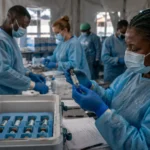
- Whether trained laboratory staff collect and process samples
- Whether the laboratory clearly reports units and reference ranges
- Whether the test method is appropriate for the intended purpose
- Whether HbA1c testing uses a standardized method
- Whether the laboratory provides clear instructions for fasting tests
- Whether results are available within a practical timeframe
For diabetes diagnosis, laboratory testing should use appropriate analytical methods and quality standards. ADA laboratory guidance emphasizes accurate plasma glucose measurement and appropriate laboratory testing for diagnosis and screening.
The same principles apply outside Lahore. Patients in Islamabad, Rawalpindi, Karachi, Faisalabad, Multan, Peshawar, Quetta, and other Pakistani cities can use these criteria when evaluating a diabetes laboratory.
Understanding Diabetes Test Results
A single abnormal result does not always mean that a person definitely has diabetes.
When there is no clear evidence of severe hyperglycemia, the ADA recommends confirmatory testing. Confirmation may involve repeating the same test or using another appropriate diagnostic test.
For example, a healthcare professional may consider:
- Repeating an elevated HbA1c
- Repeating fasting plasma glucose
- Comparing HbA1c with fasting glucose
- Investigating results that do not agree with each other
Results close to a diagnostic threshold may require follow-up rather than immediate conclusions.
Diabetes Testing for People at Higher Risk
Some people benefit from regular screening because their risk of type 2 diabetes is higher.
Risk factors can include:
- Overweight or obesity
- A family history of diabetes
- Physical inactivity
- High blood pressure
- Previous gestational diabetes
- Polycystic ovary syndrome
- Certain metabolic conditions
Current ADA guidance recommends diabetes screening based on age and individual risk. It also recommends regular testing for people with prediabetes.
A doctor can determine how often testing should occur based on an individual’s risk profile and previous results.
Diabetes Testing During Pregnancy
Pregnancy requires special attention to blood glucose.
Gestational diabetes can affect pregnancy and requires appropriate screening. Testing may involve a glucose challenge or an oral glucose tolerance test, depending on the clinical approach being used.
Pregnant patients should follow the testing schedule and preparation instructions provided by their obstetric or medical team. They should not apply standard nonpregnancy diabetes thresholds to pregnancy without professional guidance.
When to Discuss Your Results With a Doctor
Laboratory results should be interpreted alongside symptoms and medical history.
Speak with a healthcare professional if:
- Your fasting glucose is repeatedly elevated.
- Your HbA1c falls in the prediabetes or diabetes range.
- You have diabetes symptoms despite a previous normal test.
- Different tests give significantly different results.
- You are pregnant and receive an abnormal glucose result.
- You take medicines that may affect blood glucose.
Urgent medical assessment may be necessary when very high glucose occurs with severe symptoms such as vomiting, dehydration, confusion, difficulty breathing, or marked weakness.
Key Takeaways
A diabetes test laboratory in Lahore can provide several tests for assessing blood glucose. HbA1c, fasting plasma glucose, OGTT, and random plasma glucose each have specific uses.
The most important points are:
- HbA1c estimates longer-term glucose exposure.
- Fasting plasma glucose measures glucose after fasting.
- OGTT measures the body’s response to a glucose load.
- Random glucose testing can help assess symptomatic patients.
- Abnormal diagnostic results may require confirmation.
- Laboratory quality and correct sample handling matter.
- Test results should be interpreted by a qualified healthcare professional.
The same approach applies throughout Pakistan. Whether testing takes place in Lahore or another Pakistani city, patients should follow the laboratory’s preparation instructions and discuss abnormal findings with a healthcare professional.
Frequently Asked Questions About Diabetes Testing
The following FAQs provide quick answers to common questions about diabetes blood tests. They explain which tests are commonly used, whether fasting is necessary, and how abnormal results are interpreted.
1. Which test is best for detecting diabetes?
HbA1c and fasting plasma glucose are commonly used for screening and diagnosis. A healthcare professional may recommend an OGTT when additional information is needed.
2. Do I need to fast for an HbA1c test?
Usually, no. HbA1c generally does not require fasting because it reflects longer-term blood glucose exposure.
3. What fasting blood sugar level indicates diabetes?
A fasting plasma glucose level of 126 mg/dL (7.0 mmol/L) or higher meets the diabetes diagnostic threshold, but confirmation is generally required when there is no unequivocal hyperglycemia.
4. Can a normal fasting sugar rule out diabetes?
Not always. Different diabetes tests measure different aspects of glucose metabolism. A healthcare professional may recommend HbA1c or an OGTT when diabetes is still suspected.
5. Can I get diabetes testing in cities other than Lahore?
Yes. Diabetes testing is available through medical laboratories in many Pakistani cities. When choosing a laboratory, consider testing quality, appropriate methods, sample handling, and clear reporting rather than location alone.