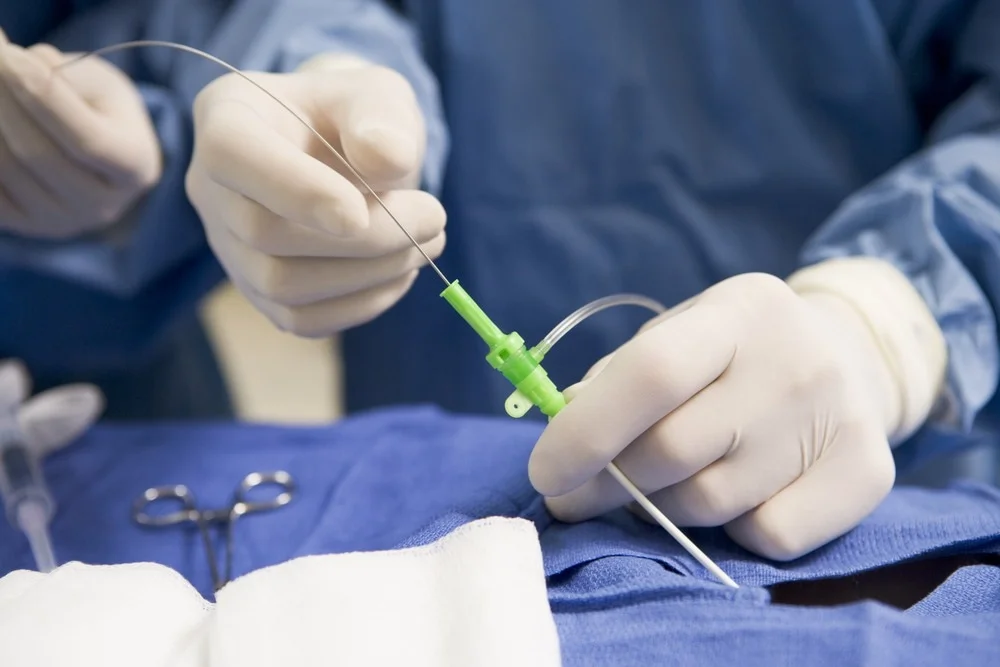
Preventing catheter-related infections at home requires consistent hygiene, careful handling, and regular monitoring. For families seeking reliable Catheter Care at Home Dubai, understanding infection-prevention practices can help make everyday catheter management safer and more comfortable. A Doctor at Home can assess the patient’s condition and provide appropriate medical guidance, while trained healthcare professionals can support patients and caregivers with individualized catheter-care routines. Although no care routine can completely eliminate infection risk, following professional instructions and recognizing warning signs early can help reduce avoidable complications.
Understand the Risk of Catheter-Related Infections:
A urinary catheter can provide a pathway for bacteria to enter the urinary tract, particularly when it remains in place for an extended period. The risk of infection may increase with longer catheter use, breaks in the drainage system, poor hygiene, or unnecessary catheter manipulation. Understanding these risks helps patients and caregivers take practical precautions every day. The most important approach is to follow the healthcare provider’s instructions for the specific catheter and drainage system rather than using general methods that may not apply to every patient. Catheters should also only be used for as long as medically necessary, with removal determined by the treating healthcare professional.
Wash Hands Before and After Catheter Care:
Thorough hand hygiene is one of the simplest ways to reduce the risk of transferring bacteria during catheter care. Caregivers should wash their hands with soap and clean running water before and after handling the catheter, drainage tubing, or collection bag. Hands should also be cleaned after activities that could cause contamination, such as using the bathroom or handling waste. When soap and water are unavailable, an appropriate alcohol-based hand sanitizer can be used if hands are not visibly dirty. Keeping catheter-care supplies in a clean, organized location can make hand hygiene easier and reduce unnecessary contact with contaminated household surfaces.
Keep the Catheter Area Clean:
The skin around the catheter should be cleaned according to the patient’s individualized healthcare instructions. Routine hygiene often involves gentle cleaning with mild soap and water, but patients should follow the specific recommendations of their healthcare provider. Caregivers should avoid aggressive scrubbing, pulling, or twisting the catheter while cleaning. Afterward, the area should be dried carefully to help prevent prolonged moisture and skin irritation. Powders, perfumes, creams, or antiseptic products should not be applied around the catheter unless specifically recommended. Regular observation of the surrounding skin is also important because redness, swelling, tenderness, or discharge may indicate a problem requiring professional evaluation.
Maintain a Closed Drainage System:
Keeping the catheter connected to its drainage system can help reduce opportunities for bacteria to enter. Unnecessary disconnection between the catheter and drainage tubing should therefore be avoided. The drainage bag should generally remain below bladder level to support urine flow and reduce the possibility of urine moving backward toward the bladder. Tubing should remain free from kinks, compression, and unnecessary tension. Caregivers should also avoid touching catheter connections or drainage outlets unless necessary. If the drainage system becomes disconnected accidentally, follow the instructions provided by the healthcare professional or equipment manufacturer rather than attempting an unfamiliar procedure.
Empty the Drainage Bag Safely:
Proper drainage bag management is another important part of infection prevention. The bag should be emptied according to the patient’s care instructions and before it becomes excessively full. Caregivers should wash their hands before and after handling the bag and ensure that the drainage outlet does not touch the toilet, floor, container, or other potentially contaminated surfaces. Helpful practices include:
- Keep the drainage bag below bladder level.
- Empty the bag according to professional instructions.
- Avoid allowing the drainage outlet to touch unclean surfaces.
- Keep tubing free from kinks and compression.
- Avoid unnecessary disconnection of the drainage system.
- Clean or replace equipment according to the recommended schedule.
These precautions can reduce opportunities for contamination during routine catheter management.
Avoid Unnecessary Catheter Manipulation:
The less a catheter is handled unnecessarily, the fewer opportunities there may be for contamination or accidental displacement. Patients and caregivers should avoid pulling, twisting, repositioning, or disconnecting the catheter unless a healthcare professional has instructed them to do so. The catheter should be secured according to professional recommendations to reduce movement and tension during normal activities. When assisting a patient with dressing, bathing, transfers, or sleeping arrangements, caregivers should pay attention to the location of the tubing and drainage bag. If a catheter appears blocked, displaced, or damaged, professional advice should be sought instead of attempting to manipulate it forcefully.
Keep the Drainage Tubing Unobstructed:
Proper urine flow is important for effective catheter function and infection prevention. Tubing should be checked regularly to ensure it is not bent, compressed, trapped underneath the patient, or positioned above the bladder in a way that interferes with drainage. A sudden reduction or complete stop in urine flow can have several possible causes, including a kink, blockage, displacement, or an empty bladder. Caregivers should first check for obvious positioning problems if this is consistent with their care instructions. They should not force fluid through the catheter or attempt invasive methods to clear a blockage unless specifically trained and instructed to do so. Persistent lack of drainage, particularly with pain or abdominal swelling, requires prompt professional assessment.
Stay Alert for Signs of Infection:
Recognizing potential infection symptoms early can help patients receive appropriate medical evaluation. Possible signs include fever, chills, lower abdominal discomfort, new or worsening pain, unusual weakness, or changes in the patient’s general condition. Discharge around the catheter, significant blood in the urine, or sudden changes in urine drainage should also be reported to a healthcare professional. Cloudy or strong-smelling urine can occur for reasons other than infection, so these changes should be considered alongside other symptoms rather than used alone to diagnose an infection. Elderly patients or individuals with complex medical conditions may sometimes have less typical symptoms, making any unexplained change in health worth discussing with their healthcare provider.
Maintain Appropriate Hydration:
Unless the patient’s healthcare provider has recommended fluid restriction, maintaining appropriate hydration may help support normal urinary function. However, there is no single fluid amount that is appropriate for every patient. Individuals with certain heart, kidney, or other medical conditions may require specific fluid recommendations. Caregivers should therefore follow the patient’s individualized instructions rather than encouraging excessive fluid intake. Adequate hydration can also support general wellbeing and may help prevent concentrated urine, but it should not be viewed as a substitute for proper catheter hygiene or professional medical care.
Prevent Constipation and Support Mobility:
Constipation can contribute to discomfort and may affect urinary function in some patients. Following an appropriate diet, maintaining adequate fluids when medically permitted, and encouraging safe physical activity can support healthy bowel function. Patients with limited mobility may need assistance with regular movement based on their healthcare plan. Caregivers should not introduce new exercises or dietary changes without considering the patient’s medical condition. Persistent constipation, abdominal discomfort, or changes in urinary drainage should be discussed with a healthcare professional because these symptoms may require assessment.
Use Professional Support When Needed:
Some patients and families may benefit from professional catheter-care assistance, particularly when the patient has limited mobility, complex healthcare needs, or recurring catheter problems. A trained home healthcare professional can provide appropriate support, reinforce hygiene practices, monitor the catheter system, and educate caregivers about safe routines. Professional assistance may be particularly valuable after hospitalization or when a family is learning how to manage a catheter for the first time. Home care should complement the patient’s medical treatment plan, and concerning symptoms should always be communicated to the appropriate healthcare provider.
Know When to Seek Medical Attention:
Certain catheter-related symptoms should not be managed solely at home. Patients should seek professional medical assessment if the catheter stops draining, becomes displaced, causes significant pain, or is associated with substantial bleeding or possible infection symptoms. Severe symptoms or rapid deterioration may require urgent medical evaluation. Caregivers should avoid using leftover antibiotics or attempting to treat suspected infections without professional advice because the correct diagnosis and treatment depend on the individual situation. Having a clear plan for contacting the patient’s healthcare provider can help families respond more confidently when problems occur.
Final Thoughts
Preventing catheter-related infections at home depends on consistent hand hygiene, appropriate catheter-area cleaning, careful drainage bag management, and avoiding unnecessary manipulation. Patients and caregivers should monitor urine flow and general health while remaining alert for signs that require professional assessment. Following the individualized care plan provided by the healthcare team is essential, as catheter type, duration, and patient needs can vary considerably. With proper education, routine precautions, and timely professional support, families can reduce avoidable infection risks and help patients maintain safer and more comfortable catheter care at home.