How many of you have used massage oil and noticed that the experience feels different when a pleasant aroma is involved? It raises an interesting question: is massage really about physical touch, or does scent also influence how we experience relaxation? In my opinion, aroma can make a massage feel more intentional by creating a calming atmosphere and helping people slow down. But choosing an oil should involve more than simply picking the strongest fragrance.
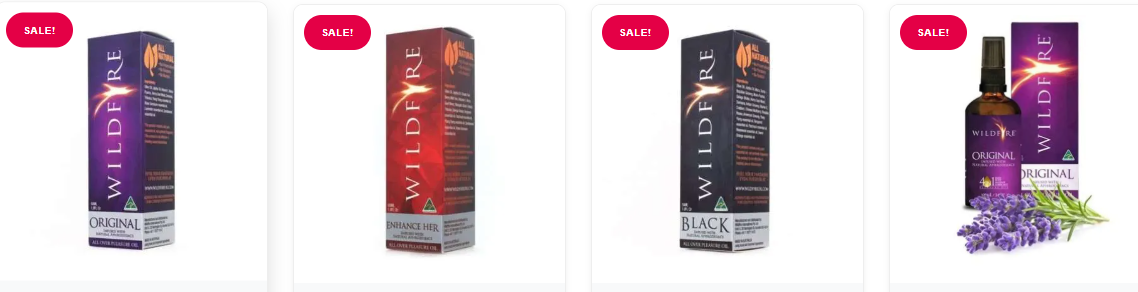
A good massage oil needs to balance several things: texture, glide, skin feel and aroma. If an oil absorbs too quickly, the massage may become interrupted. If it remains excessively greasy, the experience can feel uncomfortable. The right balance allows hands to move smoothly while leaving the skin feeling soft rather than overly oily. Wildfire’s massage oil collection, for example, focuses on plant-based carrier oils combined with botanical and aromatic ingredients for massage, body care and relaxation.
But what about scent? This is where personal preference becomes important. Lavender, floral notes and other botanical aromas may create a different atmosphere from richer or more intense fragrances. There is no universal “best” scent because relaxation is subjective. What one person finds calming might feel too strong to someone else.
Another interesting point is that massage does not necessarily have to be a complicated ritual. A quiet evening, comfortable temperature, a few minutes of uninterrupted time and a suitable oil may be enough. The purpose is not to perform a perfect massage technique. Instead, it can simply be about slowing down and paying attention to how the body feels.
Would you choose an aroma oil for massage based on its ingredients or its fragrance? Personally, I think both deserve consideration. Plant-based carrier oils can influence how smoothly the product moves across the skin, while essential oils and botanical extracts contribute to the sensory experience. Wildfire describes its formulations as combining plant-based carrier oils with balanced aromatic ingredients and botanical infusions.
There is also an important safety conversation that should not be ignored. “Natural” does not automatically mean that every ingredient is suitable for every person. Anyone trying a new massage oil should consider the ingredients, especially when dealing with sensitive skin or known allergies. A small patch test can be a sensible precaution before using a new product more extensively.
Another practical issue is compatibility with other products. Oil-based massage products should not be assumed to work with every type of contraceptive barrier. Wildfire specifically notes that its oil-based products are not compatible with latex materials. This is an easy detail to overlook, but it is exactly the kind of information people should discuss openly when choosing products for intimate massage.
For couples, massage can also become less about technique and more about communication. Asking whether the pressure, temperature, scent and amount of oil feel comfortable can make the experience more enjoyable for both people. There is no need to rush or follow a particular routine. Comfort and consent should always come first.
For solo self-care, massage oil can be equally useful. Applying a small amount after a shower can turn ordinary skincare into a slower ritual. The combination of touch, scent and quiet time may help create a sense of relaxation without requiring an elaborate wellness routine.
So, what do you think makes a massage memorable: the technique, the oil, the aroma, or simply having time to slow down? Perhaps it is the combination. An aroma oil for massage can contribute to the sensory side of the experience, but the atmosphere, comfort and intention behind the massage may ultimately matter just as much.
The interesting thing about massage oils is that there is no single correct way to use them. Some people prefer subtle aromas and lighter textures, while others enjoy richer botanical scents and longer-lasting glide. Exploring those differences can make choosing an oil more personal—and certainly gives us something worth discussing.