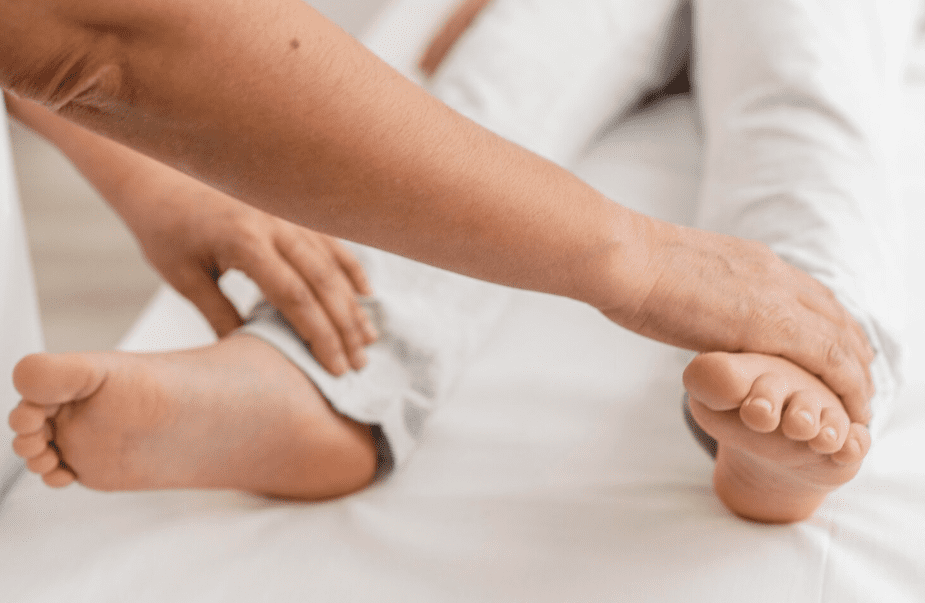
Choosing the right footwear is an important part of protecting diabetic feet from cuts, blisters, pressure, and other preventable injuries. Practicing Diabetic Foot Care At Home In Dubai should include not only daily inspections and proper hygiene but also selecting shoes and socks that support comfort and protection. Diabetes can sometimes affect nerve sensation, making it harder to notice pressure or friction caused by poorly fitting footwear. A Doctor at Home can provide professional guidance when foot concerns arise or when an individual needs an assessment at home. With suitable footwear and consistent daily habits, people with diabetes can create a safer environment for their feet.
Why Footwear Matters for Diabetic Feet:
Footwear acts as a protective barrier between the feet and the surrounding environment. For people with diabetes, properly fitted shoes can help reduce exposure to sharp objects, excessive pressure, friction, and temperature-related injuries. Poorly fitting shoes may cause blisters, calluses, redness, or areas of skin breakdown. Because reduced sensation can make these problems less noticeable, footwear should be selected carefully rather than based only on appearance. Comfortable shoes that provide adequate support and room for the toes can complement a broader diabetic foot care routine and help reduce avoidable sources of injury.
Choose Shoes With a Wide Toe Box:
A wide toe box gives the toes sufficient room to move naturally without being squeezed together. Narrow shoes can place excessive pressure on the toes and may contribute to rubbing, blisters, corns, or other pressure-related problems. When trying on footwear, make sure the toes are not touching the front of the shoe and that there is enough space for natural movement. The shoe should not compress the sides of the foot either. Choosing a spacious toe area is particularly useful for individuals who experience swelling or changes in foot shape.
Look for Proper Overall Fit:
A comfortable fit is one of the most important features of diabetic-friendly footwear. Shoes should feel secure without being too tight or excessively loose. The heel should remain comfortably positioned while walking, and the shoe should not slide enough to cause repeated friction. Try footwear at the end of the day when feet may be slightly more swollen, and wear the type of socks you normally use. Walk around briefly before deciding whether the shoes feel comfortable. Never assume that painful or uncomfortable shoes will become suitable simply because they are attractive or expensive.
Select Shoes With Adequate Cushioning:
Cushioning can help reduce the impact and pressure experienced during walking. Look for footwear with comfortable, supportive soles that distribute pressure rather than concentrating it in a small area. The amount of cushioning needed can vary according to an individual’s foot structure, activity level, and health needs. Avoid shoes with hard internal surfaces that create pressure points. If you have existing foot problems or have been advised to use specialized footwear, follow your healthcare professional’s recommendations rather than choosing footwear based solely on general guidelines.
Choose Supportive and Stable Soles:
A stable sole can provide protection and help create a secure walking surface. Shoes should bend appropriately while walking without being excessively flexible or unstable. The sole should provide sufficient protection from objects on the floor, particularly when walking around the home. Avoid extremely thin footwear that offers little protection or shoes that make you feel unstable. Stability can be especially important for people who experience balance difficulties or changes in foot sensation. Appropriate footwear should support safe movement without creating unnecessary pressure.
Avoid Shoes With Rough Internal Seams:
The inside of a shoe should be smooth and free from rough areas that may rub against the skin. Seams, protruding materials, damaged linings, or uneven surfaces can create friction and pressure points. Because some people with diabetes may have reduced sensation, they may not notice this irritation until visible skin damage appears. Before wearing new shoes, inspect the interior carefully with your hands. Continue checking footwear regularly because internal materials can become damaged over time. Smooth interiors are an important consideration when practicing Diabetic Foot Care At Home In Dubai.
Consider Breathable Materials:
Breathable footwear can help reduce excessive moisture and improve comfort, particularly in warm environments. Shoes that allow some airflow may help manage sweat and keep the feet more comfortable throughout the day. However, breathable materials do not eliminate the need for proper hygiene. Feet should still be washed, dried carefully, and checked regularly. If your feet become excessively sweaty, change damp socks and allow shoes to dry properly before wearing them again. Maintaining an appropriate balance between dryness and skin protection is important for everyday foot health.
Select Comfortable Socks:
Socks are an important part of the footwear system and can protect the skin from friction. Choose socks that fit comfortably without being excessively tight around the toes or ankles. Avoid thick folds, rough seams, and damaged areas that may rub against the skin. Change socks regularly and replace them when they become worn. Helpful sock habits include:
- Wearing clean socks every day
- Avoiding excessively tight elastic bands
- Checking socks for holes and rough areas
- Removing folds before putting on shoes
- Changing damp socks promptly
- Choosing comfortable materials appropriate for the environment
Comfortable socks can reduce friction while helping maintain a cleaner foot environment.
Avoid Walking Barefoot at Home:
Being at home does not mean that footwear is unnecessary. Walking barefoot can expose diabetic feet to small objects, sharp edges, hot surfaces, splinters, and accidental impacts. Reduced sensation may prevent a person from immediately noticing an injury. Wear comfortable protective footwear around the house, particularly in areas where objects may fall onto the floor. Check the soles and interiors of home footwear regularly to ensure they remain clean, intact, and safe to use.
Inspect Shoes Before Every Use:
A quick footwear inspection can prevent avoidable injuries. Before putting on your shoes, check inside them for stones, debris, loose materials, rough seams, or damaged areas. Look at the sole for excessive wear and check whether the shoe has changed shape. Pay attention to any area that may create pressure against the foot. This habit takes only a few seconds but can be especially valuable for people who have reduced sensation. Regular shoe inspection should become part of the daily foot care routine.
Break In New Shoes Gradually:
New shoes should not necessarily be worn for an entire day immediately. Gradually increasing wearing time can help you identify areas where the footwear causes rubbing or pressure. After wearing new shoes, inspect your feet for redness, blisters, or other marks. If a specific area repeatedly becomes irritated, stop using the footwear until the problem is addressed. Never continue wearing shoes that cause injury simply because they are new or expensive. Foot comfort and protection should take priority.
Replace Damaged or Worn Footwear:
Even high-quality footwear eventually loses its protective properties. Check shoes regularly for worn soles, damaged interiors, flattened cushioning, broken fasteners, or changes in shape. Shoes that have become uncomfortable or uneven may create new pressure points. Replace footwear when it no longer provides adequate support and protection. Rotating between suitable pairs can also allow footwear to dry between uses, particularly if your feet sweat heavily. Regular maintenance helps ensure that your shoes continue to support safe daily foot care.
Avoid High-Risk Footwear Styles:
Certain footwear designs may increase the risk of pressure, instability, or injury. Very narrow shoes, high heels, hard materials, loose flip-flops, and footwear that exposes the toes may not provide adequate protection for individuals with diabetes. The most appropriate choice depends on personal foot health and professional recommendations, but generally, shoes should prioritize stability, comfort, protection, and proper fit over fashion. If you have existing foot deformities or previous complications, ask a qualified healthcare professional whether specialized footwear is appropriate.
Pay Attention to Pressure Marks:
After removing your shoes, examine your feet for areas of redness, indentation, rubbing, or discomfort. A temporary mark may indicate that the shoe is creating pressure in a particular location. Persistent redness or irritation should not be ignored, particularly if you have reduced sensation. Compare both feet and monitor areas that repeatedly experience pressure. Adjusting footwear early may prevent a minor irritation from developing into a more significant skin problem.
Consider Individual Foot Needs:
There is no single shoe that is perfect for everyone with diabetes. Foot shape, sensation, circulation, mobility, previous injuries, and other individual factors can influence footwear needs. Some people may benefit from specialized therapeutic footwear or custom-fitted options recommended by a healthcare professional. If you have a history of foot ulcers, significant deformity, or reduced sensation, seek professional guidance before choosing specialized footwear. Personalized recommendations can provide a safer approach than relying on general shoe-shopping advice.
Combine Good Footwear With Daily Care:
The right shoes are only one part of diabetic foot protection. Combine suitable footwear with regular foot inspections, gentle washing, thorough drying, appropriate moisturizing, safe nail care, and professional checkups. A simple daily routine can include:
- Inspecting both feet
- Washing and drying them carefully
- Checking for pressure marks
- Wearing clean, comfortable socks
- Inspecting shoes before use
- Avoiding barefoot walking
- Monitoring existing skin problems
- Reporting unusual changes promptly
Together, these habits can strengthen Diabetic Foot Care At Home In Dubai and support a consistent approach to foot health.
Know When to Seek Professional Advice:
Footwear cannot prevent every diabetic foot problem, so it is important to recognize when professional assessment is needed. Seek medical advice if you notice an open wound, persistent redness, swelling, unusual warmth, drainage, discoloration, or a skin problem that does not improve. New or worsening numbness should also be discussed with a healthcare professional. Doctor at Home services may provide a convenient option for individuals who have difficulty traveling for an assessment. Professional guidance is particularly important when a person has a history of diabetic foot complications.
Final Thoughts:
The best footwear for diabetic foot care should provide protection, comfort, stability, adequate space, and a smooth interior without creating unnecessary pressure or friction. Wide toe boxes, supportive soles, suitable cushioning, breathable materials, comfortable socks, and proper fit can all contribute to safer daily footwear choices. Avoid walking barefoot, wearing damaged shoes, or continuing to use footwear that causes redness or blisters. Most importantly, remember that footwear should complement—not replace—daily foot inspections and professional medical care. By choosing appropriate shoes and making them part of a consistent Diabetic Foot Care At Home In Dubai routine, people with diabetes can take practical steps toward protecting their feet every day.