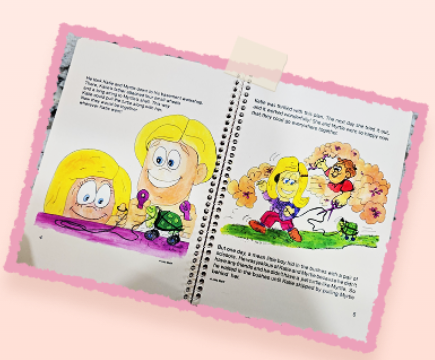
A good children’s book can do much more than entertain a young reader. It can introduce children to new ideas, help them understand emotions, encourage creativity, and make reading an enjoyable part of everyday life. From colorful picture books to exciting adventure stories, books for children offer something valuable at every stage of childhood.
Parents often look for activities that help their children learn while still having fun. Reading is one of the simplest ways to achieve both goals. A well-written children’s book can turn an ordinary afternoon or bedtime into an opportunity to explore new places, meet interesting characters, and discover meaningful lessons.
What Makes a Children’s Book Special?
A children’s book is designed with young readers in mind. The language, illustrations, characters, themes, and story length are usually created according to a child’s age and reading ability. This makes it easier for children to understand the story while developing important reading skills.
Young children often respond strongly to pictures and colorful illustrations. A picture book can help them connect words with objects, people, animals, and actions. As children become more confident readers, chapter books and longer stories can introduce more complex plots and vocabulary.
The best children’s books do not simply tell children what to think. Instead, they encourage young readers to ask questions, imagine possibilities, and develop their own understanding of the world.
Children’s Books Encourage a Love of Reading
One of the biggest benefits of introducing children to books early is that reading can become a positive habit. When children associate books with enjoyable experiences, they are more likely to choose reading independently as they grow.
Parents can make reading enjoyable by allowing children to choose stories that match their interests. One child may love animals, while another may prefer dinosaurs, space adventures, fairy tales, or funny characters. Giving children choices can make them feel more involved in the reading experience.
A regular reading routine can also help. Parents might read a children’s book before bedtime, during quiet afternoons, or while spending family time together. Even a few minutes of reading each day can help children become more comfortable with books.
How Books Support Language Development
Reading exposes children to words and sentence structures they may not hear during everyday conversations. This exposure can help expand vocabulary and improve communication skills.
When parents read aloud, children hear how words are pronounced and how sentences are formed. They also begin to recognize patterns in language. Over time, these experiences can support speaking, listening, reading, and writing development.
Parents can make reading interactive by asking simple questions such as:
- What do you think will happen next?
- Which character do you like most?
- Why did the character do that?
- What would you do in this situation?
These questions encourage children to think about the story instead of simply listening to it.
Children’s Books Build Imagination
A children’s book can take a young reader anywhere. A story might transport a child to a magical forest, an underwater kingdom, outer space, or a distant land. This ability to imagine different places and situations is one of the most enjoyable parts of reading.
Imagination also plays an important role in creative development. Children who read stories can begin creating their own characters, adventures, drawings, and games based on ideas they encounter in books.
For example, after reading a story about an adventurous animal, a child might create a drawing of their own animal hero. Another child might invent a completely new ending for the story. These simple activities turn reading into a creative experience.
Books Help Children Understand Feelings
Stories can also help children explore emotions in a safe and familiar way. Characters may experience happiness, sadness, fear, jealousy, excitement, disappointment, or friendship.
When children see characters dealing with these feelings, they can begin recognizing similar emotions in themselves and others. A story about a character who feels nervous about making friends, for example, may help a child understand that feeling nervous is normal.
Parents can use these moments to talk about emotions. Instead of giving children a lecture, a story provides a natural starting point for conversations about kindness, confidence, patience, honesty, and empathy.
Learning Important Life Lessons Through Stories
Many children’s books include simple lessons that children can understand through characters and situations. Stories may teach the importance of sharing, helping others, telling the truth, taking responsibility, or being respectful.
The lesson is often more memorable when children discover it through a story. A character who learns from a mistake can show children that making mistakes is a normal part of learning.
However, children’s books do not always need an obvious moral. Sometimes a funny or exciting story is valuable simply because it encourages children to enjoy reading and use their imagination.
Reading Together Strengthens Family Bonds
A children’s book can create meaningful moments between parents and children. Reading together gives families time to slow down and focus on one activity without distractions.
A parent reading aloud can make different character voices, ask questions, or pause to look at the illustrations. Children may laugh, ask questions, or share their own experiences.
These small moments can become lasting childhood memories. A favorite story may even become something a child remembers years later.
Choosing the Right Children’s Book
With so many books available, choosing the right one can sometimes feel difficult. Parents should consider the child’s age, reading level, interests, and attention span.
For younger children, books with large illustrations, simple language, repetition, and short stories can be a good choice. Older children may enjoy longer plots, more detailed characters, mysteries, fantasy adventures, or educational stories.
It is also useful to choose a variety of subjects. Reading different types of children’s books allows young readers to discover new interests and learn about different experiences.
Most importantly, children should have opportunities to choose books they genuinely enjoy. Reading should feel like an enjoyable activity rather than a task they are forced to complete.
Creating a Daily Reading Habit
Parents do not need to create a complicated reading schedule. A simple routine can work well. Set aside 10 to 20 minutes each day for reading and make books easily accessible to children.
A small bookshelf in a child’s bedroom or a comfortable reading corner can make books more inviting. Families can also visit libraries and bookstores together to discover new stories.
Reading aloud remains valuable even after children learn to read independently. Parents can take turns reading pages with older children or discuss the story after finishing a chapter.
The Lasting Value of a Children’s Book
A children’s book can become much more than a collection of words and pictures. It can be a teacher, a source of comfort, a doorway to imagination, and a reason for families to spend time together.
Books help children discover language, explore emotions, develop creativity, and understand different perspectives. They can introduce young readers to ideas they may never encounter in their everyday surroundings.
Whether it is a funny picture book, an educational story, an animal adventure, or a bedtime favorite, every children’s book has the potential to make reading meaningful.
For parents, one of the best gifts they can give their children is a positive relationship with books. By making reading enjoyable from an early age, parents can help children develop a habit that may stay with them throughout their lives.
A children’s book may only take a few minutes to read, but the ideas, memories, and imagination it creates can last much longer.