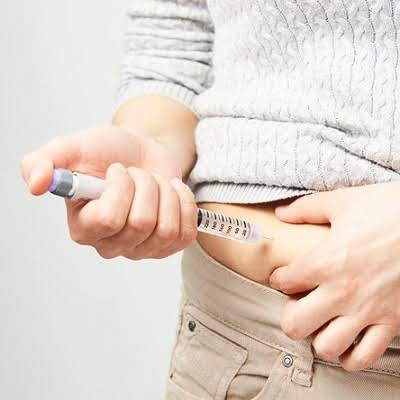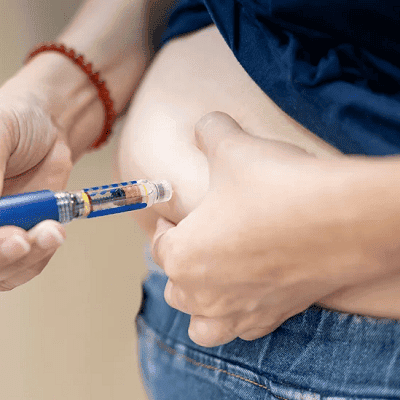
For people living with type 2 diabetes, understanding how quickly a treatment can improve blood sugar is an important part of making informed decisions. Ozempic Injection contains semaglutide, a medication in the GLP-1 receptor agonist class that is used alongside diet and exercise to improve blood sugar control in adults with type 2 diabetes. It is administered once weekly and works through several mechanisms that help regulate glucose levels.
One of the most common questions is whether Ozempic can lower blood sugar immediately after the first injection. The answer is more nuanced than a simple yes or no. Semaglutide begins acting in the body relatively soon after administration, but noticeable and sustained improvements in blood sugar generally develop over time. The medication is also gradually increased according to its prescribing schedule, which allows the body to adjust and can help reduce gastrointestinal side effects.
How Does Ozempic Injection Lower Blood Sugar?
Ozempic Injection works differently from medications that directly supply insulin. Semaglutide is designed to mimic the activity of a naturally occurring hormone called GLP-1. It helps the body respond appropriately to elevated blood glucose by increasing insulin secretion when blood sugar is high and reducing glucagon secretion. It also slows gastric emptying, which can influence how quickly glucose enters the bloodstream after meals.
Together, these effects can improve both fasting and after-meal blood sugar levels. Clinical pharmacology information shows that semaglutide reduces fasting and post-meal glucose concentrations in people with type 2 diabetes.
Another important point is that Ozempic is not intended to create an instant drop in blood glucose. Its effects build with continued weekly treatment. The medication reaches its maximum concentration approximately one to three days after an injection, while steady-state exposure is reached after several weeks of once-weekly administration.
This means a person may experience some effect after an early dose, but the full glucose-lowering benefit should not be judged from a single injection.
How Quickly Can Ozempic Injection Start Working?
Ozempic begins being absorbed after it is injected under the skin, and semaglutide reaches maximum blood concentration roughly one to three days after administration. However, the speed at which an individual notices lower blood sugar can vary considerably.
Some people may see changes in their glucose readings during the first several days or weeks, while others may require more time before a clear pattern becomes apparent. Factors such as starting blood glucose levels, diet, physical activity, other diabetes medications, individual metabolism and the prescribed dose can all affect the response.
The starting dose is intentionally low. Current prescribing information recommends starting Ozempic at 0.25 mg once weekly and increasing to 0.5 mg after four weeks. If additional blood sugar control is needed, further increases may be made at appropriate intervals under medical supervision.
Therefore, someone should not assume that a lack of dramatic improvement after the first injection means that Ozempic is ineffective. The initial period is partly designed to help the body become accustomed to the medication.
When Can Noticeable Blood Sugar Improvement Be Expected?
The timeline can differ from one person to another, but Ozempic should generally be viewed as a treatment that produces progressively stronger effects rather than an immediate blood sugar rescue medication.
Clinical data demonstrate meaningful reductions in fasting and post-meal glucose after ongoing treatment. In pharmacodynamic evaluations conducted after 12 weeks of treatment, including dose escalation, semaglutide 1 mg was associated with reductions in fasting glucose, two-hour post-meal glucose and average 24-hour glucose compared with placebo.
Longer clinical trials have also demonstrated improvements in measures such as HbA1c and fasting plasma glucose. In one study, treatment with Ozempic 0.5 mg or 1 mg for 30 weeks produced significant reductions in HbA1c compared with the insulin-glargine treatment strategy used in that study.
This highlights an important distinction:
Daily glucose readings can change relatively early, while HbA1c reflects average blood glucose over a much longer period.
For that reason, patients and healthcare professionals often look at trends rather than expecting the medication to produce its full benefit within a few days.
Why the Ozempic Dose Is Increased Gradually
A gradual dose schedule is an important part of Ozempic treatment. The medication commonly causes gastrointestinal effects such as nausea, vomiting, diarrhea, abdominal pain and constipation. Starting at a lower dose and increasing gradually can help the body adjust.
The current U.S. prescribing information recommends:
- 0.25 mg once weekly as the starting dose
- 0.5 mg once weekly after at least four weeks
- 1 mg once weekly when additional glycemic control is needed and the patient has been on 0.5 mg for at least four weeks
- 2 mg once weekly when additional glycemic control is needed after appropriate time at the 1 mg dose
The exact dose should be determined according to the individual’s treatment plan. Increasing the dose faster than recommended does not necessarily mean blood sugar will improve faster, and it may increase the likelihood of adverse effects.
What Can Affect How Fast Ozempic Lowers Blood Sugar?
Several factors can influence an individual’s response to Ozempic Injection.
Starting blood sugar levels: Someone with substantially elevated glucose may experience a different pattern of improvement from someone whose blood sugar is only mildly above target.
Diet and meal patterns: Food choices, portion sizes and carbohydrate intake can affect post-meal glucose readings even when medication is being taken correctly.
Physical activity: Regular activity can improve insulin sensitivity and contribute to better glucose control.
Other medications: Ozempic may be used with other diabetes treatments. When it is combined with insulin or certain insulin-releasing medicines, the risk of hypoglycemia can increase, and medication adjustments may sometimes be necessary.
Dose and treatment duration: Because the prescribed dose is normally increased gradually, glucose-lowering effects may continue to change as treatment progresses.
Individual response: Diabetes affects people differently. Two people taking the same medication and dose can have different glucose responses.
For these reasons, blood sugar should be monitored according to the individual’s treatment plan rather than relying on a fixed timeline.
Is Ozempic Suitable for Rapidly Lowering Very High Blood Sugar?
Ozempic should not be considered an emergency treatment for dangerously high blood sugar. It is a once-weekly medication intended for ongoing management of type 2 diabetes, not a replacement for urgent medical care when glucose levels are severely elevated or symptoms suggest a medical emergency.
Someone experiencing very high blood sugar along with symptoms such as vomiting, severe weakness, confusion, difficulty breathing, significant dehydration or altered consciousness should seek urgent medical attention.
It is also important not to change the Ozempic dose independently in an attempt to lower glucose more quickly. The FDA-approved prescribing information includes specific dosing and safety considerations, including warnings concerning hypoglycemia when Ozempic is used with insulin or insulin secretagogues.
Ozempic also has important contraindications and warnings. It should not be used by people with a personal or family history of medullary thyroid carcinoma or by people with Multiple Endocrine Neoplasia syndrome type 2. Serious gastrointestinal reactions, pancreatitis, gallbladder problems, kidney injury associated with dehydration and other adverse effects are also addressed in the prescribing information.
How Should Blood Sugar Be Monitored During Ozempic Treatment?
Consistent monitoring can help show whether treatment is working. Depending on the individual’s diabetes management plan, glucose may be checked with a blood glucose meter or continuous glucose monitoring system.
Rather than focusing on one isolated reading, it can be more useful to look for patterns. For example, repeated improvements in fasting or post-meal glucose readings over several weeks may provide more meaningful information than a single reading taken shortly after an injection.
Healthcare professionals may also monitor HbA1c because it provides a broader picture of average blood sugar control. The appropriate testing schedule depends on the individual’s health status and treatment plan.
People taking Ozempic should also report troublesome or persistent side effects. Severe abdominal pain, persistent vomiting, signs of dehydration, symptoms of an allergic reaction or symptoms associated with significant hypoglycemia warrant prompt medical attention.
Frequently Asked Questions About Ozempic Injection
1. Can Ozempic lower blood sugar after the first injection?
Ozempic begins acting after it is administered, and semaglutide reaches maximum blood concentration approximately one to three days after a dose. However, the full glucose-lowering effect generally develops progressively with continued weekly treatment rather than appearing as an immediate dramatic reduction.
2. How long does Ozempic take to show noticeable results?
Some people may notice changes in glucose readings during the early weeks, but the response varies. Because Ozempic is normally started at a low dose and increased gradually, blood sugar control may continue improving as treatment progresses.
3. Does Ozempic lower fasting and after-meal blood sugar?
Yes. Semaglutide has been shown to reduce both fasting and post-meal glucose levels. Clinical pharmacology data report reductions in fasting glucose, two-hour post-meal glucose and average 24-hour glucose following ongoing treatment.
4. Why does Ozempic start at a low dose?
The starting dose helps the body adjust to semaglutide. Gastrointestinal side effects, including nausea, vomiting, diarrhea, abdominal pain and constipation, are among the most commonly reported adverse reactions.
5. Can someone take more Ozempic to lower blood sugar faster?
No. Ozempic should be taken according to the prescribed dosing schedule. Increasing the dose without appropriate medical guidance can increase the risk of side effects and does not guarantee faster or safer glucose control.
6. Is Ozempic an emergency treatment for very high blood sugar?
No. Ozempic is intended for ongoing blood sugar management in adults with type 2 diabetes and is not designed to rapidly correct a dangerous blood sugar elevation. Severe hyperglycemia or concerning symptoms should receive prompt medical evaluation.
Overall, Ozempic Injection can begin working relatively soon after administration, but its blood sugar-lowering benefits develop progressively over time. The medication reaches peak concentration within roughly one to three days, while consistent exposure builds over several weeks. Clinical evidence supports meaningful improvements in fasting and post-meal glucose with continued treatment, making adherence and appropriate dose progression important parts of diabetes management.
Because individual responses vary, blood glucose trends, HbA1c results, side effects and other medications should all be considered when evaluating treatment. Ozempic should be used exactly as prescribed, and treatment decisions should be made with a qualified healthcare professional.
Read More About Ozempic Injection: https://app.getbeamer.com/product5395/en/can-ozempic-injection-affect-blood-sugar-too-much-hCMN09ht