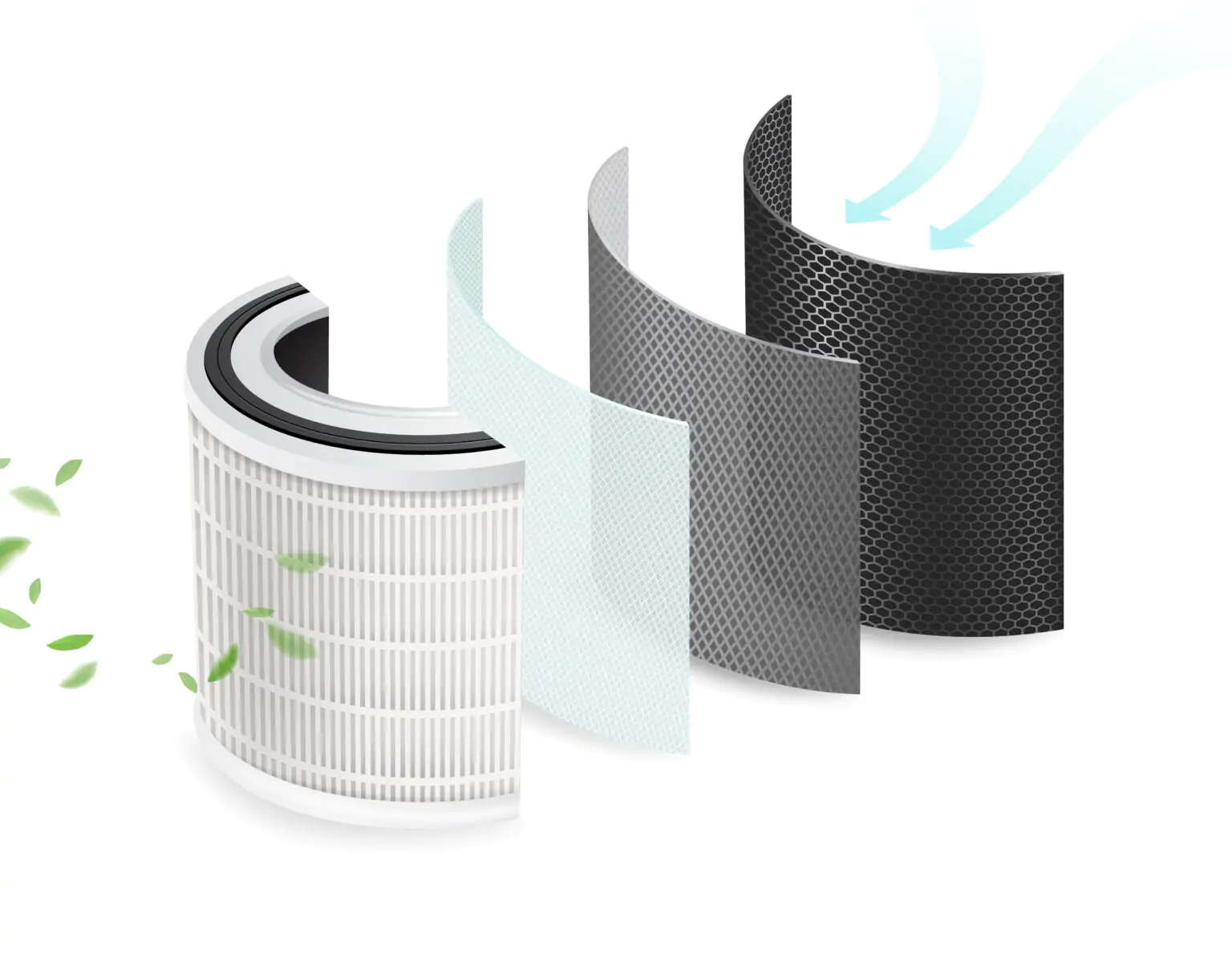
Indoor air quality has become an important consideration for homes, offices, commercial buildings, and other enclosed spaces. Dust, pollen, smoke, airborne particles, and other pollutants can enter indoor areas through outdoor air, daily activities, and ventilation systems. A well-planned filtration setup can help reduce these particles and support cleaner indoor air.
However, installing an HVAC air filtration system is not simply about choosing a filter and fitting it into the existing equipment. The right solution depends on the building, HVAC system, type of pollutants, airflow requirements, and maintenance routine. Before making a decision, there are several factors worth considering.
Understand Your Indoor Air Quality Requirements
Start by identifying the type of air quality problem you are trying to address. A property may mainly have issues with dust and larger particles, while another may require better control of fine airborne particles or specific pollutants.
Understanding the problem first can help determine what type of filtration solution is appropriate. Installing a filter with capabilities that do not match the actual requirement may add unnecessary costs without providing the expected results.
Check Compatibility With Your HVAC System
Not every filtration system works equally well with every HVAC setup. The filter size, design, airflow capacity, and existing ductwork can all affect compatibility.
Before installation, the existing HVAC equipment should be checked to determine whether it can accommodate the proposed filtration system. This is particularly important for older systems that may have limited airflow capacity.
Consider Filter Efficiency
Filters are available in different efficiency levels, and a higher-efficiency filter is not automatically the best choice for every building.
A filter that captures very small particles may also create greater resistance to airflow. If the HVAC equipment is not designed to handle that resistance, cooling or heating performance could be affected.
The goal should be to select a filtration level that provides suitable particle removal while allowing the HVAC system to operate properly.
Think About Airflow
Airflow is one of the most important factors to consider before installing a filtration system. If the filter restricts airflow too much, the HVAC unit may have to work harder to maintain the desired temperature.
This can potentially increase energy consumption and put additional stress on certain components. A professional assessment can help determine whether the existing system can maintain adequate airflow after the new filter is installed.
Consider the Size of the Building
A small residential property and a large commercial building will not necessarily need the same filtration approach.
The building’s size, number of occupants, room layout, ventilation arrangement, and HVAC configuration should all be considered. Larger buildings may require a more comprehensive filtration strategy rather than relying on a single filter.
Look at Maintenance Requirements
Installing a filtration system is only the beginning. Filters need to be inspected, cleaned, or replaced according to their type and usage conditions.
A filter that becomes heavily loaded with dust can restrict airflow and reduce system performance. Before installation, consider how often the filter will need attention and whether replacement filters will be easily available.
A practical maintenance schedule can help the system continue working effectively over time.
Consider Your Local Environment
The surrounding environment can also influence filtration requirements. Properties located in areas with high levels of dust, traffic-related pollution, construction activity, or other airborne particles may have different needs from buildings in cleaner surroundings.
Considering the local environment can help you choose a filtration solution that is better suited to actual operating conditions.
Check the Overall Cost
The purchase price of the filtration equipment is only one part of the total cost. Also consider installation, replacement filters, maintenance, energy consumption, and any modifications required to the existing HVAC system.
A slightly more expensive option may be more practical if it offers better durability and manageable maintenance costs. Looking at the long-term cost rather than only the initial price can lead to a better decision.
Get Professional Assessment Before Installation
If you are unsure which filtration system is suitable, getting the existing HVAC setup inspected can prevent compatibility and airflow problems later. An experienced team such as M G Cooling Solution can assess the existing setup and help determine a suitable filtration approach based on the property’s requirements.
Professional assessment is especially useful for commercial spaces where HVAC systems often operate for long hours and filtration requirements can be more complex.
Final Thoughts
An effective filtration system should work alongside the HVAC equipment rather than interfere with its performance. Before installation, consider your indoor air quality needs, filter efficiency, airflow, system compatibility, building size, maintenance requirements, and long-term costs.
Taking these factors into account can help you choose a filtration solution that fits your property instead of simply selecting the highest-rated filter available. Proper planning and professional installation can also make ongoing maintenance easier and help maintain consistent HVAC performance.